Wikipedia is the go-to source for quick answers. But how do you know if what you’re reading is trustworthy? The answer isn’t just in the words-it’s in the citations. Every claim on Wikipedia should be backed by a reliable source. But how many is enough? One? Five? Ten? There’s no magic number, but there are clear patterns that separate well-supported articles from shaky ones.
Why Citations Matter More Than You Think
Wikipedia doesn’t invent facts. It reports them. That’s the core rule. If a sentence doesn’t have a citation, it’s not just unverified-it’s a violation of Wikipedia’s policies. Editors are trained to remove unsourced claims, especially in contentious areas like politics, health, or science. A 2020 study by the Wikimedia Foundation analyzed over 100,000 articles and found that articles with fewer than three citations per paragraph were three times more likely to be flagged for neutrality or accuracy issues.
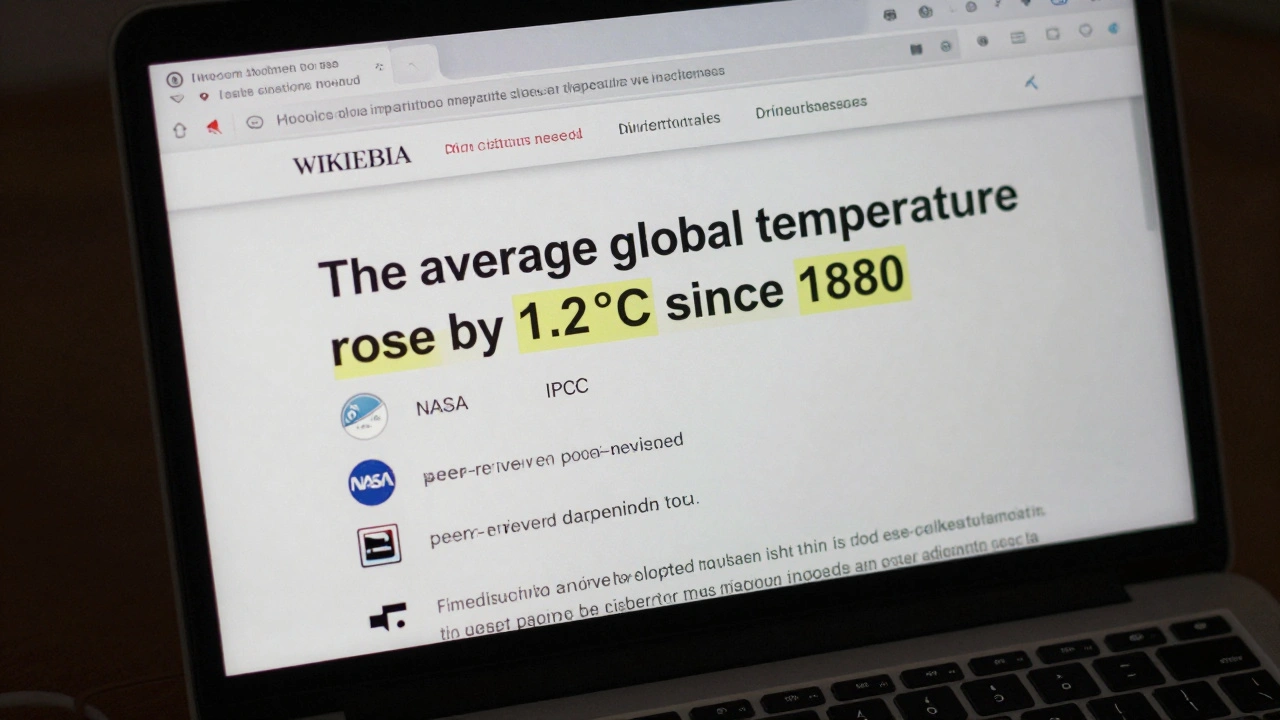
Think of citations like footnotes in a textbook. They’re not decoration. They’re proof. If an article says, “The average global temperature rose by 1.2°C since 1880,” you need to see where that number came from-NASA? IPCC? A peer-reviewed journal? Without that, the claim is just noise.
What Counts as a Reliable Source?
Not every link is equal. Wikipedia has strict rules about what counts as a reliable source. Peer-reviewed journals, books from academic publishers, major newspapers like The New York Times or The Guardian, and government or university websites are all gold standards. Blogs, forums, social media posts, and self-published material? Not acceptable.
Even among reliable sources, quality varies. A 2023 analysis of 5,000 randomly selected citations in English Wikipedia showed that 62% came from academic journals or official reports. Only 11% came from news outlets. That’s because editors prefer sources that undergo peer review-where experts check the work before it’s published. A study published in Nature in 2021 found that Wikipedia articles citing peer-reviewed literature had 40% fewer edit wars and reverts than those relying on news reports alone.
How Many Citations Are Enough?
There’s no universal rule like “five citations per paragraph.” But there are practical guidelines used by experienced editors.
- For simple, uncontroversial facts (e.g., “The Eiffel Tower is in Paris”), one solid citation is enough.
- For statistical claims (e.g., “75% of Americans support renewable energy”), you need at least two independent sources to confirm the number.
- For controversial or high-stakes claims (e.g., “Vaccines cause autism”), multiple citations from authoritative sources are mandatory-and often, the claim gets removed entirely because no reliable source supports it.
Articles on medical topics, like “Type 2 Diabetes,” typically average 15-25 citations. Biographies of living people often have 20 or more, because Wikipedia’s policy demands extra caution when discussing living individuals. A 2024 audit of top 100 biographies showed that articles with fewer than 10 citations were flagged for deletion 87% of the time.
The real test isn’t quantity-it’s coverage. If every major claim in a paragraph has a source, you’re good. If half the claims are unsupported, even with 20 citations elsewhere, the article is still unreliable.
What Happens When Citations Are Missing?
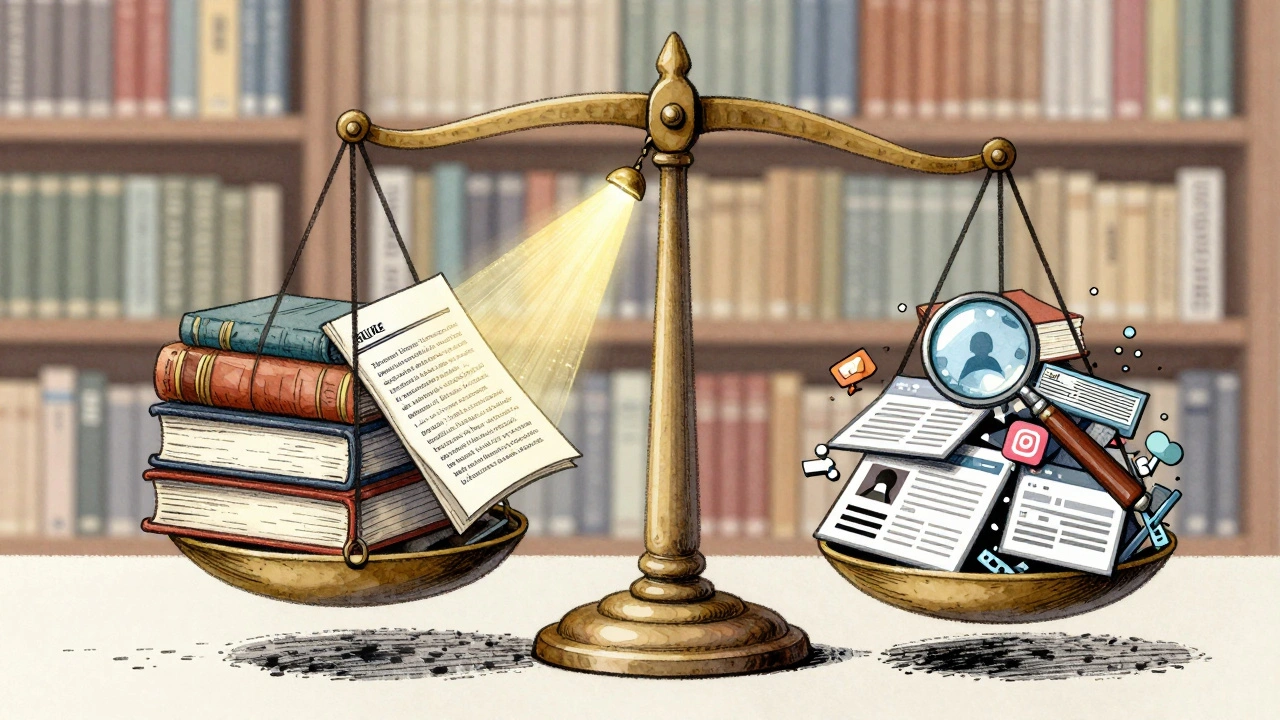
Wikipedia has a system to flag problems. You’ll see tags like “More citations needed,” “Unsourced statements,” or “Primary sources” at the top of articles. These aren’t just warnings-they’re calls to action.
When an article gets tagged, it enters a queue for editors to fix. In 2025, over 1.2 million articles had active citation requests. About 40% of those were resolved within 30 days. The rest linger because they’re either too niche, too controversial, or too hard to source.
Here’s a real example: The article on “Neuroplasticity in Adults” had only two citations in 2022. A user added eight more from peer-reviewed journals. Within two weeks, the “More citations needed” tag disappeared. The article’s edit history shows a 60% drop in reverts after the fix.
Common Mistakes Editors Make
Even experienced contributors mess up. Here are the most common citation errors:
- Using a source that doesn’t actually support the claim. (Example: citing a news article about a study, but the study itself says something different.)
- Over-citing the same source. (Using five citations from the same book or website doesn’t count as five independent sources.)
- Citing a source that’s behind a paywall or inaccessible. (Wikipedia requires sources to be publicly verifiable.)
- Using outdated sources. (A 1998 study on social media use? That’s not useful in 2026.)
One editor added a citation to a 2015 blog post to support a claim about AI adoption rates in 2025. The citation was removed within hours. The rule is simple: if the source can’t be trusted to reflect current knowledge, it doesn’t belong.
How to Check a Wikipedia Article’s Reliability
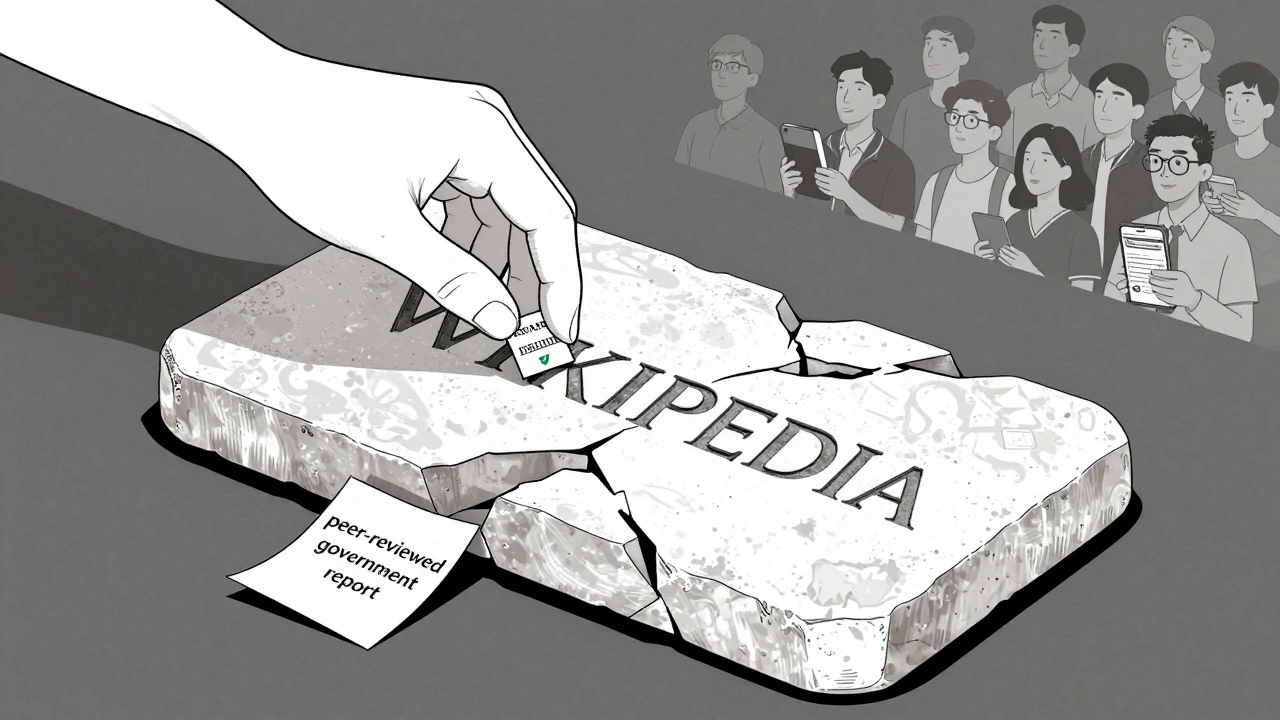
You don’t need to be an editor to tell if a Wikipedia article is trustworthy. Here’s how to check in under a minute:
- Look at the top of the page. Are there any “citation needed” tags? If yes, proceed with caution.
- Click “View history.” How many edits have been made in the last year? High activity often means active fact-checking.
- Open the references section. Are they from journals, books, or major news outlets? Or mostly websites ending in .com or .blog?
- Pick three claims that seem important. Click each citation. Does the source actually say what the article claims?
If you can verify even two out of three claims, the article is likely solid. If none of the citations support the claims, it’s time to look elsewhere.
The Bigger Picture: Why This Matters
Wikipedia isn’t just a website. It’s a global reference tool used by students, journalists, researchers, and even AI systems. Google often pulls snippets from Wikipedia for its search results. If Wikipedia’s citations are weak, misinformation spreads faster.
A 2024 study by Stanford University found that 68% of high school students trusted Wikipedia more than their textbooks because it felt “more current.” But when researchers checked the citations in those articles, 32% of the key claims couldn’t be verified. That’s not just a Wikipedia problem-it’s a public information crisis.
Good citations don’t just make Wikipedia reliable. They make it useful. They turn it from a collection of opinions into a living archive of verified knowledge.
What You Can Do
You don’t need to be a scholar to help. If you find an article with missing citations, you can fix it. Find a reliable source. Add the citation. It takes five minutes. That one edit might be the difference between someone learning the truth-or believing a myth.
Wikipedia’s strength isn’t its size. It’s its community. And that community only works when people care enough to back up every claim-with real sources.
How many citations should a Wikipedia article have per paragraph?
There’s no fixed number. One citation per key claim is the standard. A paragraph with three important claims should have three citations. If all claims are supported by one source, one citation is enough. The goal is coverage-not quantity.
Can I use a blog as a citation on Wikipedia?
Generally, no. Blogs are considered self-published and lack editorial oversight. Exceptions exist only if the author is a recognized expert and the blog is their official platform (e.g., a professor’s university-affiliated blog). Even then, peer-reviewed sources are preferred.
Do citations need to be recent?
For most topics, yes. Sources older than 10-15 years are often outdated, especially in fast-moving fields like technology, medicine, or social science. Historical topics may use older sources, but they must still be authoritative and relevant.
What if I can’t find a reliable source for a claim?
Don’t add it. Wikipedia’s policy is clear: if you can’t source it, it shouldn’t be there. Removing unsourced claims is just as important as adding citations. If a claim is important but lacks sources, consider researching it further or flagging it for discussion.
Are Wikipedia citations always accurate?
Not always. Citations can be misused, misquoted, or incorrectly formatted. That’s why editors regularly audit them. Always verify the source yourself if you’re using it for serious research. Wikipedia is a starting point-not the final word.