Wikipedia isn’t just a collection of articles-it’s a living community of tens of thousands of volunteers who argue, negotiate, and sometimes clash over what belongs on the site. Most disputes are about facts: Is this source reliable? Does this event deserve a section? But beneath those debates lies a quieter, more dangerous kind of conflict: the breakdown of civility. And when things get personal, Wikipedia doesn’t just delete a bad edit-it can ban you.
What Counts as Uncivil Behavior?
Wikipedia’s civility rules aren’t about being nice for the sake of it. They’re about keeping the site functional. The policy, called Assume Good Faith and reinforced by Be Civil, says editors must avoid personal attacks, sarcasm meant to humiliate, and persistent hostility-even if the other person is wrong.
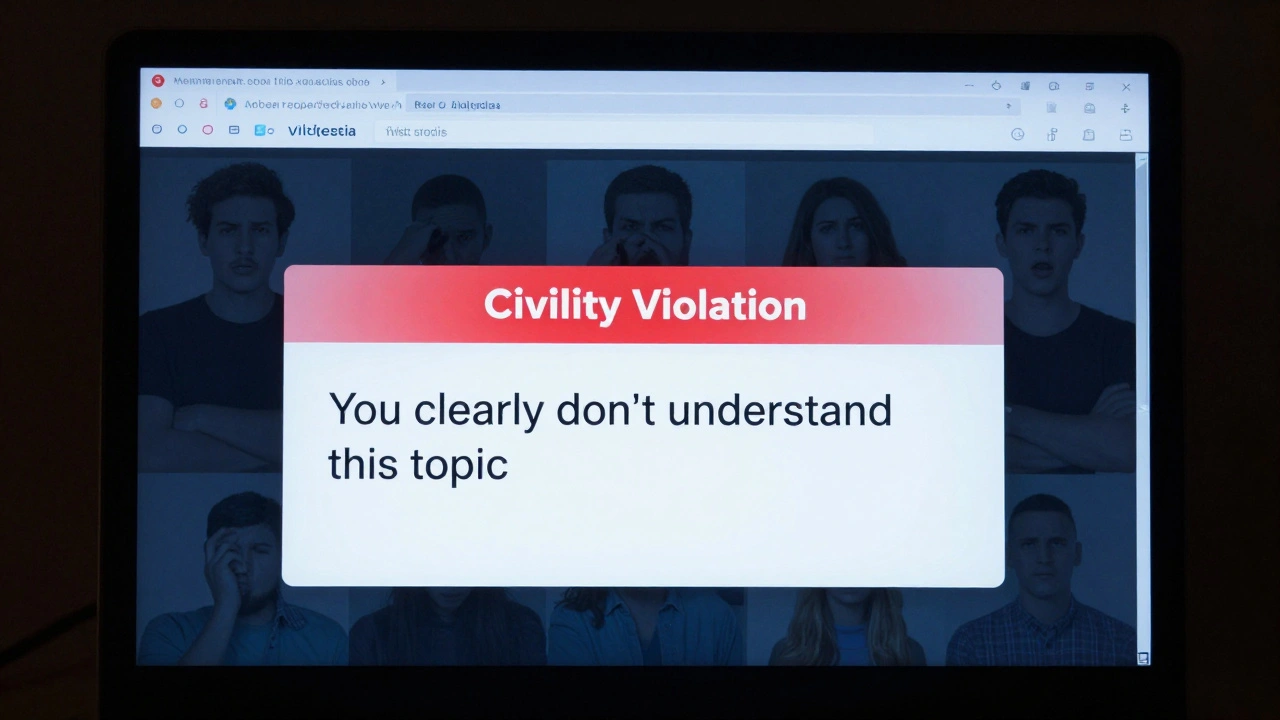
That means calling someone an "idiot" in an edit summary? That’s a violation. Repeatedly reverting someone’s edits with the comment "you clearly don’t understand this topic"? That’s a violation. Using coded language like "this is the kind of edit we see from newbies" to imply incompetence? Also a violation.
It’s not about tone policing. It’s about preventing harassment that drives away contributors. A 2021 study by the Wikimedia Foundation found that 40% of active editors who left the platform cited hostile interactions as their main reason. That’s not just bad morale-it’s a threat to the encyclopedia’s survival.
How Sanctions Work
Wikipedia doesn’t have a central HR department. Enforcement is done by volunteers who’ve earned trust through years of consistent, neutral editing. These are called administrators, checkusers, and arbitrators. When a dispute escalates, someone can file a report on the Administrators’ Noticeboard or the Dispute Resolution Noticeboard.
Sanctions aren’t handed out on the spot. There’s usually a process:
- A warning is posted on the user’s talk page, citing the specific policy broken.
- If behavior continues, a temporary block (24 hours to 2 weeks) is applied.
- Repeated offenses lead to longer blocks-30 days, 6 months, or even a year.
- For extreme or patterned abuse, the Arbitration Committee steps in. They can impose permanent bans, topic bans, or restrictions on editing certain pages.
Topic bans are especially powerful. An editor might be banned from editing articles on climate change, political candidates, or religious groups-not because they’re wrong, but because their edits keep triggering fights. One editor was banned from all articles related to U.S. politics after 17 separate warnings in six months. Their edits weren’t false-they were combative.
Where the Lines Get Blurry
Not every harsh comment gets punished. Context matters. A blunt critique like "This source is a blog, not peer-reviewed" is fine. But "You’re too stupid to know what a peer-reviewed journal is" crosses the line. The difference isn’t just wording-it’s intent.
Some editors defend their behavior by saying, "I’m just being direct." But Wikipedia isn’t a debate club. It’s a collaborative project where hundreds of people might read and build on your edits. Aggression doesn’t make your point stronger-it makes others afraid to engage.
There’s also the issue of cultural differences. An editor from a country where directness is valued might not realize their tone is seen as abusive. Wikipedia’s global nature means one person’s "honest feedback" is another’s personal insult. That’s why warnings often include links to the policy page and examples of acceptable phrasing.
High-Profile Cases
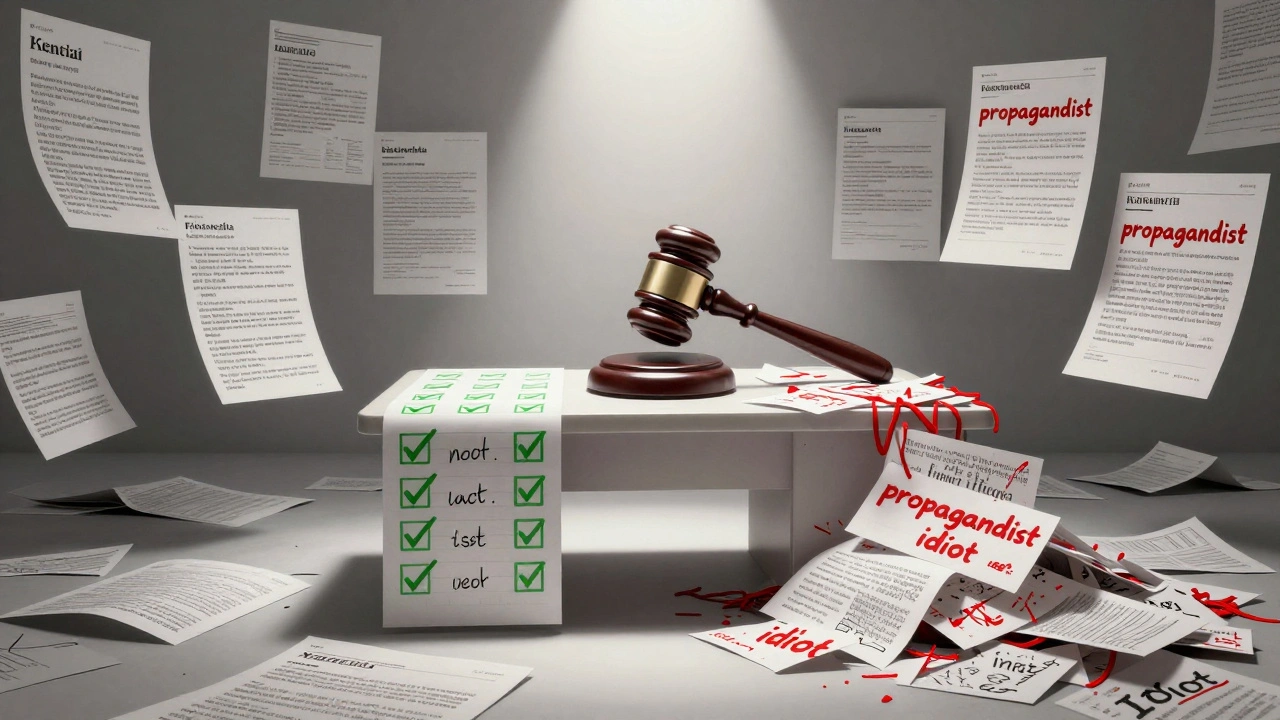
In 2020, a long-time editor known for detailed historical articles was banned for six months after repeatedly calling a fellow editor a "propagandist" and "liar" in edit summaries. The editor had a strong track record-over 20,000 edits-but their tone had become toxic. The Arbitration Committee wrote: "Your expertise is valuable, but your behavior is poisoning the environment. We can’t have brilliant contributors who make others feel unsafe."
Another case involved a user who edited articles on LGBTQ+ rights. They didn’t add false information, but they consistently used phrases like "this radical agenda" and "distorted facts" when discussing transgender issues. After multiple warnings, they were given a permanent topic ban on gender-related articles. The decision wasn’t about their beliefs-it was about the language they used to push them.
These cases show something important: Wikipedia doesn’t ban people for being controversial. It bans them for making collaboration impossible.
What Happens After a Ban?
Bans aren’t always permanent. Some editors appeal after months of reflection. Others submit a written apology and a plan for how they’ll change. One editor who was banned for two years returned after submitting a 1,200-word essay on how they’d learned to separate disagreement from disrespect. They were reinstated with a probationary period.
But not everyone comes back. Some leave quietly. Others create new accounts-something called "sockpuppetry," which is a serious violation in itself. If caught, they face an immediate permanent ban. The system is designed to be forgiving, but not endless.
Why Civility Isn’t Optional
Wikipedia doesn’t have fact-checkers sitting over every edit. It relies on editors policing each other-respectfully. If people stop trusting each other, the system collapses. One hostile comment can trigger a chain reaction: someone reverts, someone else retaliates, a third person jumps in to defend, and suddenly you’ve got a three-day edit war over a single sentence.
Studies show that articles with high levels of conflict have lower quality. They’re edited less often, updated slower, and are more likely to contain outdated or biased information. Civility isn’t about politeness-it’s about accuracy.
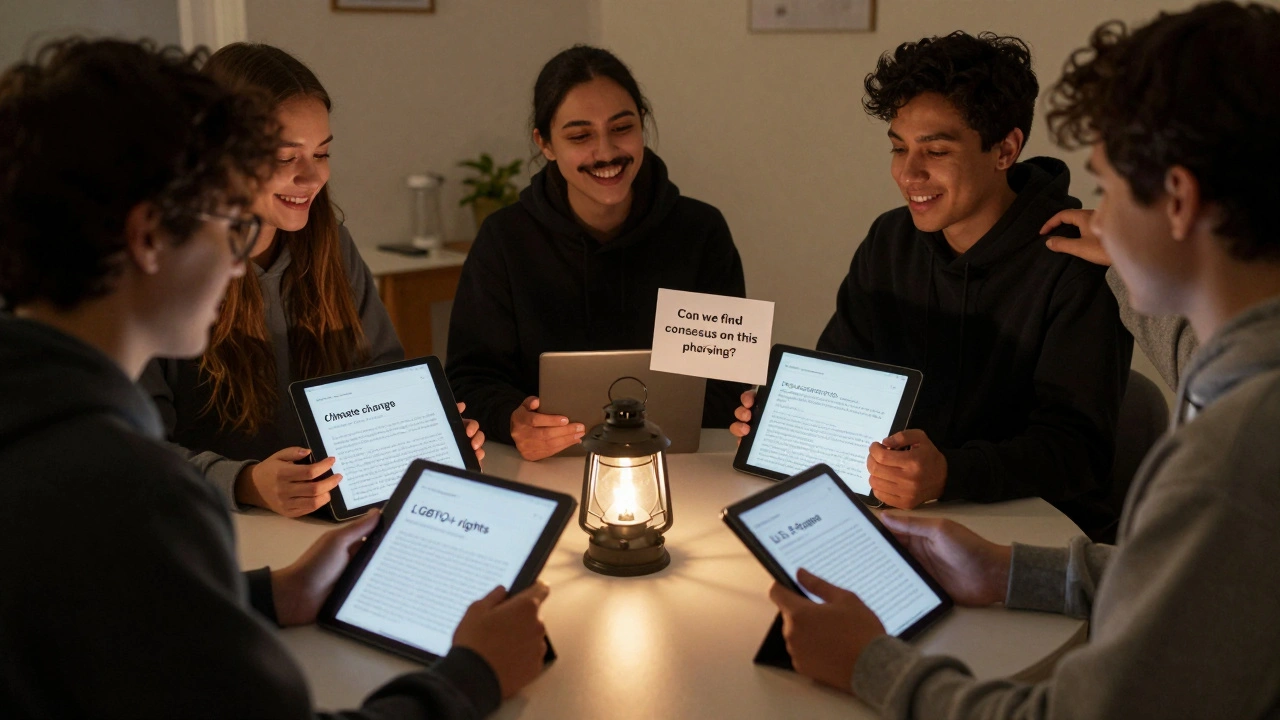
The most successful editors aren’t the ones with the loudest voice. They’re the ones who say, "I see your point, but here’s a better source," or "Can we find consensus on this phrasing?" That’s the culture Wikipedia tries to protect.
What You Can Do
If you edit Wikipedia, you’re part of this system. You don’t need to be an administrator to help. Here’s what you can do:
- When you see a hostile comment, don’t respond in kind. Report it.
- If you’re unsure whether your edit summary is too sharp, rephrase it as if you’re explaining it to someone who’s never edited before.
- Use the "Talk" page for disagreements, not the edit summary. That’s what it’s for.
- If you’re blocked, read the reason. Don’t argue. Reflect. Then, if you want to return, write a thoughtful appeal.
Wikipedia works because people choose to be better than their impulses. The sanctions aren’t punishment-they’re a way to keep the project alive.
Can I be banned for being wrong on Wikipedia?
No. You can’t be banned just for making incorrect edits. Wikipedia expects mistakes-they’re part of editing. What gets you sanctioned is how you respond when someone corrects you. If you argue, insult, or repeatedly reinsert false information after being shown reliable sources, that’s when action is taken.
Do administrators have too much power?
Administrators are volunteers, not hired staff, and their powers are limited. They can block users or delete pages, but they can’t override policies. All major decisions, especially bans, are reviewed by multiple people. The Arbitration Committee, made up of elected editors, handles serious cases and publishes detailed rulings. There’s also an appeals process. Power exists, but it’s checked by transparency and community oversight.
Why doesn’t Wikipedia just delete bad edits and move on?
Deleting bad edits is easy. Keeping the community functional is hard. If editors feel attacked or dismissed, they stop contributing. Wikipedia loses not just content, but the people who maintain it. Sanctions target behavior, not content, because the goal isn’t to win arguments-it’s to keep the project running.
Are civility rules enforced equally across all topics?
There’s evidence of uneven enforcement. Topics like politics, religion, and gender attract more conflict-and more attention from administrators. But that doesn’t mean the rules are applied unfairly. The challenge is that high-stakes topics draw more emotional responses. The system tries to be consistent, but it’s human-run, so inconsistencies happen. Ongoing efforts aim to improve training and reduce bias in enforcement.
Can I appeal a ban?
Yes. Most bans come with instructions on how to appeal. You typically need to submit a written statement on your talk page or through the Arbitration Committee’s process. The key is to show self-awareness-not to argue your case. Successful appeals often include an apology, an understanding of what went wrong, and a concrete plan to avoid repeating the behavior.