Imagine searching for a historical event that shaped your country but finding the article written entirely from a British or American perspective. The dates are off, the significance is minimized, or the local terminology is missing. This is not just a minor oversight; it is a structural issue known as Anglocentrism a bias in English-language Wikipedia articles that prioritizes Anglo-American viewpoints, sources, and standards over those from other cultures. For editors and readers alike, understanding how to spot and fix this bias is crucial for maintaining the Neutral Point of View the core editorial guideline requiring articles to be presented fairly with due weight given to all significant points of view.
The Hidden Mechanics of Bias
Bias on Wikipedia rarely looks like someone shouting their opinion in the edit summary. Instead, it hides in plain sight through structure and sourcing. When an editor writes about a non-Western topic, they often unconsciously apply Western frameworks. For example, describing a traditional African governance system using terms like "tribe" instead of the specific ethnic group's self-identifier, or dating events based on the Gregorian calendar without noting the local lunar calendar used at the time.
This phenomenon is deeply tied to the demographics of the platform. While Multilingual Wikipedia the collection of Wikipedia projects in various languages, each with its own community and cultural focus exists, the English version remains the largest and most influential. Because many editors are native speakers of English, often from the US or UK, the default lens becomes Anglo-centric. To counter this, you must look beyond the text and examine the references. If 90% of the citations are from Western Media Outlets news organizations and academic journals primarily based in North America and Europe, the article likely lacks local context. A truly balanced piece includes sources from regional newspapers, local universities, and indigenous archives.
Practical Steps for Editors
Fixing Anglocentrism requires active effort. You cannot just wait for the perfect source to appear; you have to go find it. Here is how you can start improving an article today:
- Audit the Lead Section: The first paragraph sets the tone. Does it define the subject by its local name first? If the article is about a festival in Japan, does it lead with the Japanese term or the English translation? Leading with the native term respects the cultural origin.
- Diversify Your Sources: Search for academic papers in the local language. Use Google Scholar’s advanced search to filter by region. If you don’t read the language, use reliable translation tools to verify the context, then cite the original source. This adds depth that English-only sources miss.
- Check for Structural Gaps: Does the article cover the topic’s history, culture, and modern relevance equally? Often, non-Western topics get a detailed history section but a shallow modern impact section, reflecting a colonial-era mindset where the past was 'exotic' and the present is 'developing.'
- Use Local Terminology: Avoid generic translations. If a concept has no direct English equivalent, introduce the local word and explain it. This practice, known as Code-Switching the practice of alternating between two or more languages or varieties of language in conversation or writing, helps preserve nuance.
The Role of Translation and Interlanguage Links
One of the most effective ways to combat bias is leveraging interlanguage links. These are the flags at the top of every Wikipedia page that allow users to jump to the same article in another language. The French, German, and Spanish versions of Wikipedia often have different editorial cultures. The French project, for instance, tends to prioritize encyclopedic completeness and philosophical depth, while the English project focuses heavily on verifiability through mainstream media.
When you see a gap in the English article, check the corresponding article in the relevant local language. You might find that the Japanese article on a specific architectural style includes diagrams and technical terms missing from the English version. Translating these details back into English isn't just copying; it's enriching the global knowledge base. However, be careful with direct translation. Some idioms and cultural references do not translate well. In such cases, add a footnote explaining the cultural context rather than forcing a literal translation.
Common Pitfalls and How to Avoid Them
Even well-meaning editors make mistakes. One common trap is Stereotyping the oversimplification of a group's characteristics, often leading to biased or inaccurate representations. For example, describing all South Asian cuisine as "spicy" ignores the vast diversity of flavors across the subcontinent. Another pitfall is Chronological Bias the tendency to treat recent events as more important or factual than older ones, or vice versa, depending on the editor's cultural frame. Western history is often treated as the main timeline, with other cultures' histories starting only when they interacted with the West.
To avoid this, always ask: "Whose story is being told here?" If the article feels like a footnote to a larger Western narrative, it needs restructuring. Start the timeline with the subject's own origins, not when it appeared in European records. This shift changes the entire perception of the topic's importance and agency.
| Aspect | English Wikipedia | French Wikipedia | Chinese Wikipedia |
|---|---|---|---|
| Primary Source Preference | Mainstream Media & Academic Journals | Academic Books & Philosophical Texts | Government Documents & Historical Records |
| Cultural Lens | Often Anglo-centric | European Continental Focus | Sino-centric |
| Terminology Handling | Translation to English Common Usage | Precise Technical Terms | Classical References |
| Notable Gap | Lack of Non-Western Primary Sources | Less Coverage of Global South Pop Culture | Limited International Comparative Analysis |
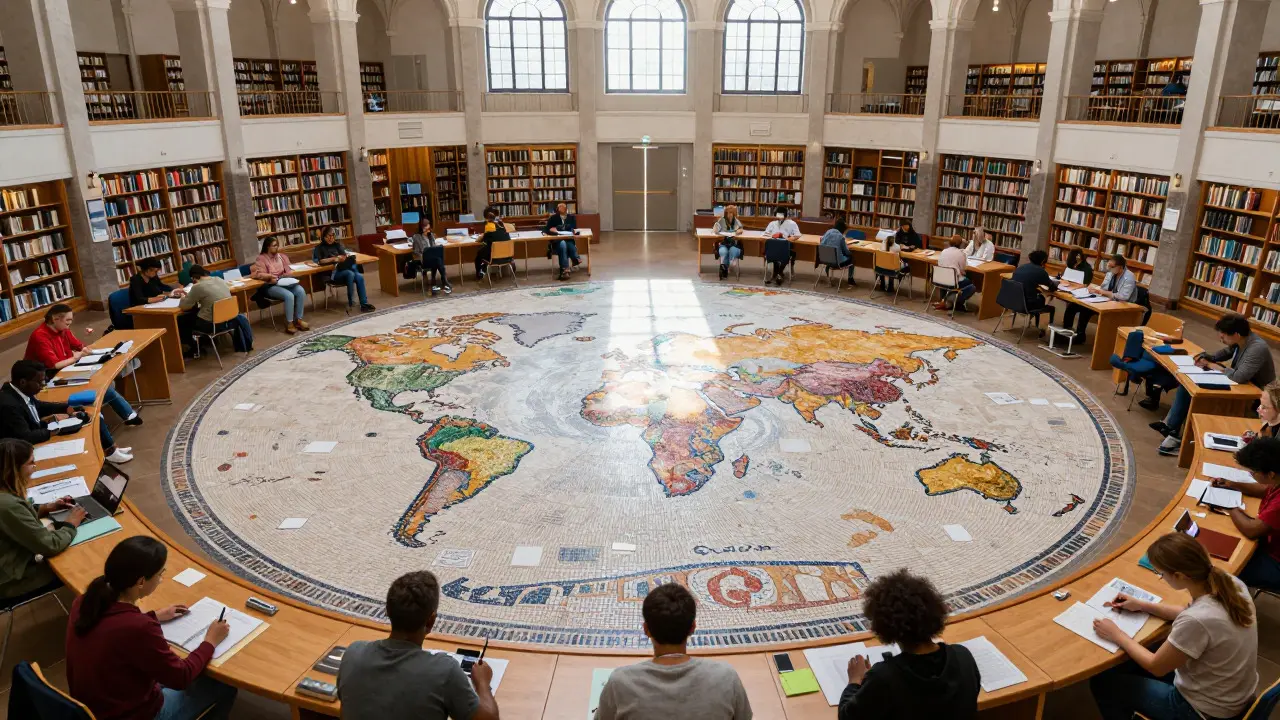
Building a Global Community
Editing Wikipedia is a social activity. If you want to reduce Anglocentrism, you need to collaborate with editors from diverse backgrounds. Join the Wikipedia Diversity Project an initiative aimed at increasing representation and reducing bias in Wikipedia content or similar task forces. These groups organize editing sprints focused on underrepresented regions. During these events, you can work alongside native speakers who can provide immediate feedback on tone and accuracy.
Furthermore, engage in talk page discussions respectfully. When you suggest adding a non-English source, explain why it is authoritative in its context. Not all editors understand the hierarchy of sources in different countries. By educating peers, you help build a culture that values global perspectives. Remember, the goal is not to erase Western views but to ensure they are one voice among many, not the sole narrator of human history.
Frequently Asked Questions
Is Anglocentrism intentional?
Rarely. Most cases stem from unconscious bias and a lack of access to non-English sources. Editors tend to cite what they know best, which is usually Western media. Intentional bias is rare because Wikipedia relies on consensus and peer review, which often corrects overt errors.
How do I find reliable non-English sources?
Start with university libraries in the target country. Look for national archives, government statistical offices, and major local newspapers. Academic databases like JSTOR or Scopus often include international journals. Always verify the source's reputation in its local context before citing it.
Should I translate foreign terms into English?
It depends. If the term is widely recognized in English (like "Yoga"), use the English form. If it is a specific cultural concept with no direct equivalent, keep the original term and provide a brief definition. This preserves the unique meaning and avoids loss of nuance.
What if a local source contradicts a Western one?
Present both viewpoints fairly. Use the Neutral Point of View guideline to weigh the evidence. If the local source is more specific or closer to the event, it may carry more weight for that detail. Cite both and let the reader see the discrepancy. Do not delete one in favor of the other unless one is clearly unreliable.
How can beginners contribute to this effort?
Start small. Pick an article about a place or person from your own background and check if it reflects your lived experience. Add a local source or correct a mistranslation. Join a wiki-project focused on diversity. Every small edit contributes to a more accurate global encyclopedia.