Most people think of Wikipedia as a single, unified project. In reality, it is a patchwork of over 300 language editions, each with its own culture, rules, and power structures. The three largest East Asian editions-Japanese Wikipedia, Chinese Wikipedia, and Korean Wikipedia-are not just translations of the English version. They are distinct ecosystems that often operate in parallel, sometimes in conflict, and rarely in sync. Understanding how these communities function reveals the true complexity of global knowledge sharing.
The Scale and Structure of East Asian Editions
When we talk about size, we usually mean article count, but that number tells only part of the story. The Japanese Wikipedia consistently ranks as the third-largest edition globally, sitting comfortably above the million-article mark. Its structure is heavily influenced by local cultural norms regarding precision and categorization. Articles tend to be dense, well-sourced, and strictly adherent to citation standards. This creates a high barrier to entry for new editors, which helps maintain quality but can slow down growth in niche topics.
The Chinese Wikipedia presents a different challenge. With two major variants-Simplified and Traditional-the community has historically struggled with coordination. While they share a common backend, the editorial cultures differ significantly. Simplified Chinese editors often prioritize breadth and rapid coverage of current events, while Traditional Chinese editors may focus more on historical depth and academic rigor. This split means that a topic might have two separate discussions happening simultaneously, leading to redundant work or conflicting edits that need constant mediation.
The Korean Wikipedia, while smaller than its neighbors, punches above its weight in terms of organizational efficiency. It has one of the most active administrative teams in the entire Wikimedia movement. The community is known for its rigorous peer-review processes and strong emphasis on neutral point of view (NPOV). However, this strictness can make the environment feel intimidating for casual contributors who fear being reverted or locked out of discussions.
Cultural Norms and Editorial Styles
Language shapes thought, and in Wikipedia, it shapes editing behavior. Japanese editors often use a formal tone even in talk pages, reflecting broader social conventions. Disagreements are handled through consensus-building rather than direct confrontation. You will rarely see heated arguments; instead, you will find long, polite threads where everyone tries to find a middle ground. This approach fosters stability but can lead to decision fatigue, where important changes get stalled because no one wants to be the first to break the status quo.
In contrast, the Chinese community is more vocal. Talk pages can be fast-paced and occasionally chaotic. Editors from different regions may disagree on terminology, spelling, or even factual interpretations based on their specific cultural context. For example, historical dates or place names might vary slightly between mainland and Taiwan-based editors. Resolving these differences requires a deep understanding of both linguistic variants and political sensitivities, making cross-variant collaboration a delicate balancing act.
Korean editors strike a balance between formality and directness. The community places a high value on clarity and structure. Articles are often organized with clear headings and infoboxes that follow strict templates. This makes the Korean Wikipedia easy to navigate for readers, but it also means that deviating from established formats can trigger quick corrections. Newcomers are encouraged to read the style guides carefully before making significant changes, as adherence to convention is seen as a sign of respect for the community's collective effort.
Challenges in Cross-Language Collaboration
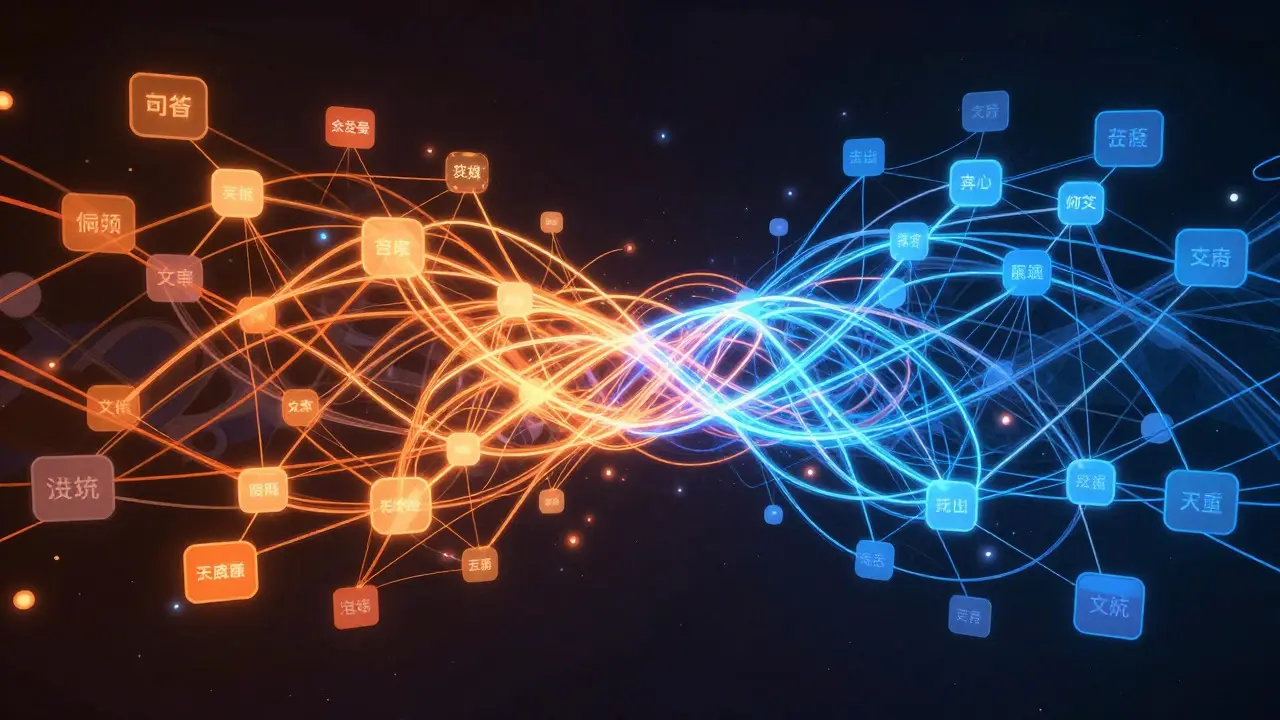
One of the biggest hurdles for East Asian Wikipedians is inter-language linking. Ideally, an article about a famous figure should link seamlessly to their counterparts in other languages. But in practice, these links are often broken or missing. Why? Because the criteria for what constitutes a "notable" topic differ across editions. A person might be considered notable enough for a full article in Japan but only worthy of a stub in Korea, or vice versa. This mismatch leads to orphaned articles and fragmented knowledge graphs.
Translation is another major bottleneck. Most content is still translated manually by volunteers. While machine translation tools have improved, they often struggle with nuance, idioms, and technical jargon. As a result, translated articles can feel stiff or inaccurate if not reviewed by a native speaker. This creates a dependency on a small group of polyglot editors who serve as bridges between communities. When these key individuals step away from active editing, communication gaps widen, and collaboration slows down.
Funding and recognition also play a role. The English Wikipedia receives the most attention and resources from the Wikimedia Foundation. East Asian communities often have to advocate harder for grants, conferences, and outreach programs. This disparity can create feelings of marginalization, especially among younger editors who wonder why their contributions aren't getting the same visibility as those in Western editions. Addressing this imbalance requires targeted support for local chapters and community-led initiatives.
Community Governance and Decision Making
How decisions are made varies widely across these three editions. The Japanese community relies heavily on informal consensus. There are fewer formal votes compared to the English Wikipedia. Instead, administrators and experienced editors discuss issues privately or in small groups until a general agreement is reached. This method works well for routine matters but can become opaque when controversial topics arise. Critics argue that it lacks transparency, while supporters claim it preserves harmony.
The Chinese community uses a mix of consensus and voting. Major policy changes often go through formal voting processes, similar to the English model. However, the sheer size of the user base makes reaching a quorum difficult. Sometimes, votes are contested due to accusations of sock puppetry or bias. This leads to lengthy disputes that can drag on for months. The lack of a centralized arbitration board comparable to the English Wikipedia's Arbitration Committee means that many conflicts remain unresolved, affecting community morale.
Korea operates with a highly structured governance system. The community has a dedicated team of stewards and bureaucrats who oversee elections and policy enforcement. Decisions are documented clearly, and appeals processes are well-defined. This structure provides stability and predictability, which attracts editors who prefer a rule-based environment. However, it can also stifle innovation, as new ideas must pass through multiple layers of review before being implemented. The trade-off here is between speed and security.
| Feature | Japanese Wikipedia | Chinese Wikipedia | Korean Wikipedia |
|---|---|---|---|
| Approximate Article Count | 1.5 million+ | 1.4 million+ (combined) | 600,000+ |
| Editorial Style | Dense, precise, formal | Broad, varied, regional splits | Structured, template-driven |
| Governance Model | Informal consensus | Mixed consensus/voting | Formal bureaucratic structure |
| Main Challenge | High barrier to entry | Variant coordination | Rigidity vs. flexibility |
| Strength | High accuracy and sourcing | Large contributor base | Efficient administration |

Opportunities for Future Growth
Despite these challenges, the future looks promising for East Asian Wikipedias. The rise of mobile editing has lowered the barrier to entry for younger users. Apps and simplified interfaces make it easier to contribute on the go, which is particularly relevant in urban areas with high smartphone penetration. This demographic shift brings fresh perspectives and energy to the projects. Younger editors are less bound by traditional hierarchies and more willing to experiment with new formats, such as interactive maps or multimedia content.
Technology also offers solutions to the translation gap. Advanced neural machine translation models are becoming good enough to provide a solid first draft, allowing human editors to focus on refinement rather than starting from scratch. If these tools are integrated directly into the editing interface, they could dramatically increase the volume of cross-language content. This would help close the loop on inter-language links and create a more cohesive global knowledge base.
Finally, there is a growing interest in preserving local heritage. Many East Asian communities are using Wikipedia to document intangible cultural assets, local dialects, and regional histories that are underrepresented in global media. This mission-driven approach attracts dedicated volunteers who are passionate about their own culture. By highlighting these unique strengths, East Asian Wikipedias can move beyond being mere mirrors of Western knowledge and become primary sources for their own stories.
Practical Tips for Contributors
If you are considering contributing to one of these editions, here are a few things to keep in mind. First, learn the local customs. Read the main page and a few popular talk pages to get a feel for the tone and expectations. Don't assume that what works in English will work in Tokyo, Beijing, or Seoul. Each community has its own unwritten rules, and respecting them goes a long way toward gaining acceptance.
Second, start small. Instead of trying to write a full-length article immediately, try improving existing stubs or adding citations. This allows you to demonstrate your reliability without risking major reverts. Once you have built some trust, you can take on larger projects. Third, engage with the community. Introduce yourself on the newcomers' noticeboard or join a task force related to your area of expertise. Building relationships is crucial in any collaborative environment, and it makes navigating disputes much easier.
Lastly, be patient. Change happens slowly in large volunteer organizations. If you propose a new policy or format, give the community time to digest it. Rushing the process can lead to backlash. By approaching these communities with humility and curiosity, you can become a valuable member of the global Wikipedia family.
Which East Asian Wikipedia is the largest?
The Japanese Wikipedia is generally considered the largest East Asian edition by article count, followed closely by the combined Chinese editions (Simplified and Traditional). The Korean Wikipedia is smaller but highly efficient in its organization.
Do I need to speak fluent Japanese, Chinese, or Korean to edit?
Yes, fluency is strongly recommended. While machine translation helps, errors in grammar or nuance can lead to reverts. Native or near-native speakers are better equipped to handle the specific stylistic requirements of each community.
How do these communities handle disputes differently from the English Wikipedia?
Japanese communities rely on informal consensus to avoid conflict. Chinese communities use a mix of voting and discussion, which can sometimes lead to prolonged debates. Korean communities use a formal bureaucratic structure with clear appeal processes, prioritizing order and documentation.
Why are inter-language links often broken in East Asian editions?
Differences in notability standards and manual translation workflows cause mismatches. A topic might be covered in one language but not another, or the translation might not have been completed yet, leaving the link dangling.
What is the best way to start contributing to a non-native Wikipedia?
Start by observing local norms on talk pages. Make small, low-risk edits like fixing typos or adding citations. Introduce yourself to the community and join relevant task forces to build trust before tackling major articles.