The Silent Exodus of Knowledge Keepers
When you think about Wikipedia the free online encyclopedia edited collaboratively by volunteers, the image that comes to mind is endless collaboration. Thousands of users typing away, building the largest knowledge base in history. But behind the scenes, there is a quiet crisis. As we move through 2026, the rate at which longtime contributors leave the platform remains high. This isn't just about numbers dropping on a chart; it is about people walking away from work they care about.
You might ask yourself what drives someone who has invested years into a topic area to suddenly stop logging in. Is it lack of time? Perhaps. But research consistently points to something deeper. It is emotional exhaustion. It is Wikipedia Editor Burnout a state of physical and emotional exhaustion caused by excessive stress regarding volunteer work. Understanding this requires looking past the technical side and focusing on the human experience of editing.
Why Good Editors Quit
To fix a problem, you have to diagnose it accurately. We cannot simply say "people get busy." Life changes happen, but the specific pattern of departure among Wikipedians voluntary contributors who edit Wikipedia articles shows clear triggers. Let's break down the primary reasons why dedication fades.
First, consider conflict. You edit a page, maybe improve a sentence, and within minutes, you find a revert notice. Then comes the talk page message accusing you of violating policies you didn't know existed. These interactions drain energy fast. Unlike paid jobs where HR exists to mediate disputes, the community here manages its own friction. When a user faces repeated hostility from other editors, especially those in positions of power, the desire to continue evaporates. It feels like being bullied for doing good work.
Secondly, the complexity of the rules creates a barrier that grows over time. The Community Guidelines sets of rules and standards for behavior on Wikipedia are vast. Newcomers learn quickly; veterans learn deeper layers. By the time you reach expertise, the system feels bureaucratic. Spending more time navigating deletion debates than actually adding information shifts the focus from helping to policing. This administrative burden leads to frustration.
| Factor | Impact Level | Frequency |
|---|---|---|
| Conflict and Harassment | High | Common |
| Bureaucratic Fatigue | Moderate | Increasing |
| Lack of Recognition | Moderate | Frequent |
| Vandalism Policing | High | Daily |
A third major driver is the lack of social recognition. In many jobs, praise comes naturally. Here, silence is the norm. If you write a comprehensive article and hundreds read it, nobody knows your name. Conversely, if you make one small mistake, it is public knowledge. This imbalance discourages continued effort. You give your time freely, yet often receive little positive feedback in return. Over years, this one-sided interaction creates a sense of futility.
The Emotional Toll of Vigilance
There is another side to this story that rarely gets discussed openly. It involves the concept of emotional labor. Many experienced editors take on roles protecting content from bad-faith actors. You might watch a popular political topic and see edits appear every few minutes. Some are vandalism; others are subtle bias insertions. Staying vigilant requires constant mental energy.
This role is essentially unpaid security work. When the job demands more attention than you can physically sustain, burnout sets in. It is comparable to a lifeguard standing on duty too long without a break. Eventually, the body and mind force you to step back. The Wikimedia Foundation the nonprofit organization that owns the servers hosting Wikipedia acknowledges this, but the structural solution takes longer to implement than the feeling of fatigue does. Volunteers report feeling overwhelmed not by the volume of work, but by the emotional weight of the arguments involved.
Specifically, harassment plays a significant role. In 2025, studies highlighted that a large percentage of female and minority editors reported negative experiences due to gender bias or racism within the project spaces. When a User Harassment behavior directed at another user intended to cause distress or damage reputation incident occurs, trust in the environment fractures. Even if the perpetrator is banned, the victim often leaves the project entirely because the safe space has been compromised.
Navigating the Rules Maze
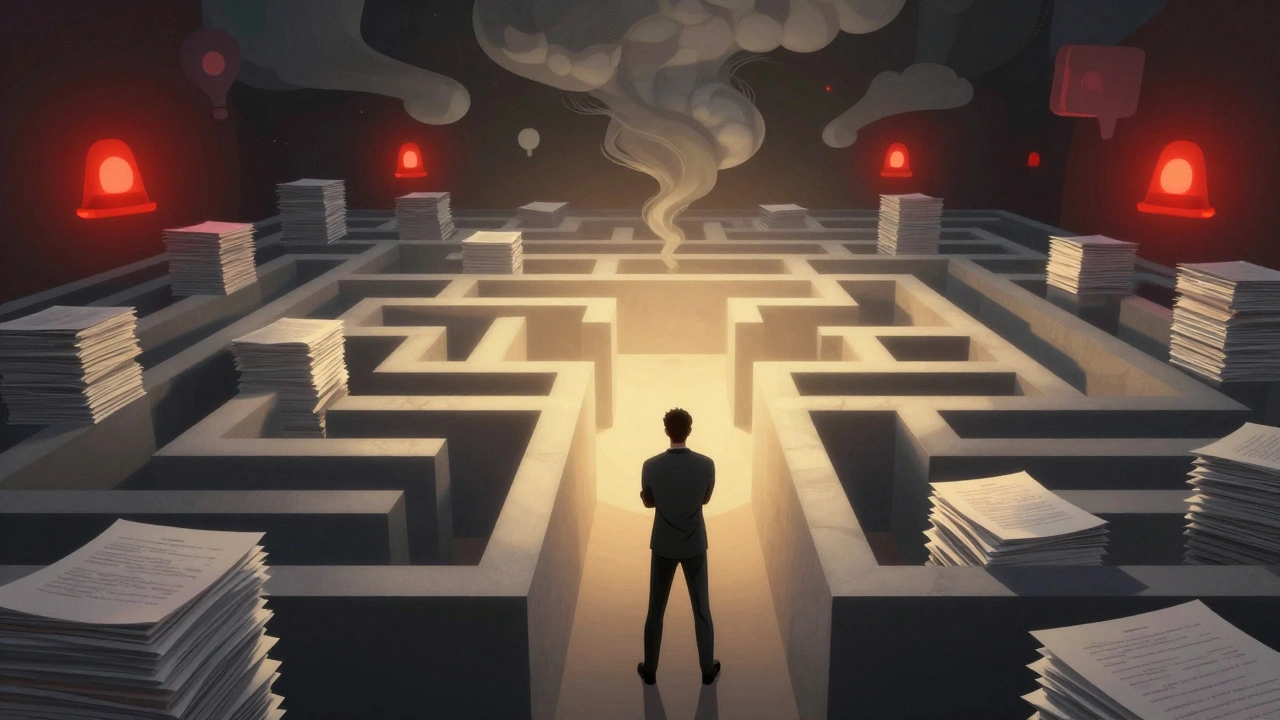
The structure of governance also contributes to the problem. You might join thinking you are joining a library project, but you end up in a legal-style debate room. Every change can trigger citations requests. Notability guidelines require sources that sometimes do not exist for obscure topics. When an article is nominated for deletion (AfD), the resulting debate can drag on for weeks.
For a hobbyist, spending three weeks arguing about whether a subject is "significant" enough is not fun. It feels like school homework that never ends. This process disproportionately affects experts in niche fields who are just trying to document their profession. Instead of sharing knowledge, they are stuck in procedural limbo. The bureaucracy acts as a filter, but unfortunately, it filters out enthusiasm along with low-quality content.
Furthermore, the relationship between regular users and administrators can be tense. An administrator holds special tools to block users or protect pages. While necessary for safety, these tools can be misused or applied aggressively. When a standard editor feels targeted by an admin, the perception of fairness vanishes. You cannot expect healthy participation in an environment perceived as arbitrary or authoritarian.

Solutions and Pathways Forward
So, is the situation hopeless? Not necessarily. Awareness brings opportunities for improvement. We have seen successful initiatives designed specifically to address retention.
Growth Team a department at the Wikimedia Foundation focused on improving the newcomer experience has introduced features to simplify editing for beginners. Reducing friction early prevents frustration later. However, we need to focus on retaining veterans too. Mentorship programs pair new editors with experienced ones, but mentorships also benefit the mentor by providing a sense of purpose and connection. Teaching reinforces skills and rebuilds morale.
Another strategy involves better conflict management tools. Faster dispute resolution helps prevent small disagreements from turning into month-long grudges. If a community can de-escalate tension earlier, fewer people feel the need to withdraw for self-preservation. Some projects have implemented "cooling off" periods where discussions go offline before re-opening, giving everyone space to calm down.
Recognition systems matter too. While we avoid gamifying core motivations, acknowledging contributions publicly helps. Awards and acknowledgments serve as validation. If you see your hard work appreciated, you are more likely to push through difficult patches.
Supporting Yourself and Others
If you are currently struggling, remember that taking a break is part of the process. Stepping away does not mean failure. Many successful editors have returned after months or even years of absence. The knowledge remains valuable.
Here are practical tips for managing your own engagement levels:
- Set limits on how much time you spend per week.
- Avoid editing topics that personally trigger strong emotions.
- Focus on constructive tasks rather than patrolling vandalism constantly.
- Connect with local chapters for face-to-face support.
- Document your achievements to keep track of progress.
Communities can also support individuals by creating designated help channels. Knowing where to turn when you feel attacked or confused makes the difference between staying and leaving. A supportive culture is the strongest defense against attrition.
How do I know if I am experiencing Wikipedia burnout?
Signs include dreading logging in, feeling angry at neutral edits, losing motivation for topics you once loved, and avoiding the site even when you have spare time.
Can I return to editing after quitting for a while?
Yes, your account remains active indefinitely. Take a break when needed, and return when you feel refreshed. Old edits remain visible, but you may need to update your password or refresh your knowledge of recent policy changes.
What is the biggest cause of editor attrition?
Research indicates that interpersonal conflict and negative community interactions are the leading causes, followed closely by increasing policy complexity and the perception of unappreciated effort.
Does the Wikimedia Foundation offer support for burnt-out editors?
The foundation runs surveys and outreach campaigns, though direct individual counseling is rare. Local chapters and mentorship programs provide the most immediate peer support available.
Is burnout preventable for new editors?
It can be mitigated by setting realistic expectations early. Focusing on specific areas and avoiding heavy conflict zones until experienced helps maintain long-term enthusiasm.