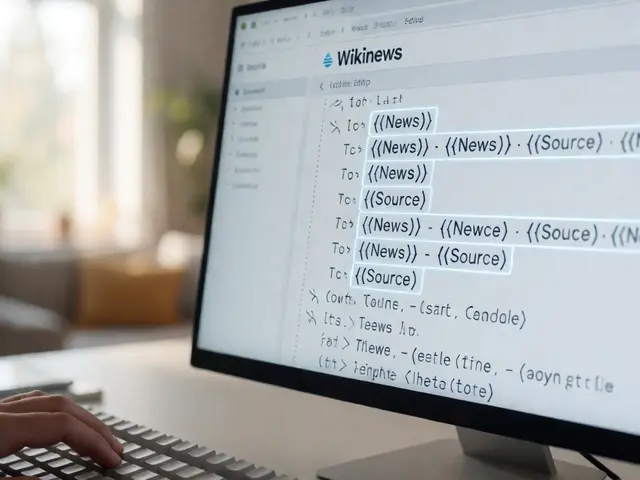
Imagine watching every edit happen on Wikipedia the exact second it occurs. That is the power of real-time data feeds. When you visit a page, you see the static result, but underneath, millions of edits flood through servers daily. For developers and researchers, capturing this flow requires understanding two main channels: EventStreams and RecentChanges. These tools serve different purposes despite delivering similar information.
The Architecture Behind Live Editing
To grasp how these feeds work, you first need to understand the engine driving them. The entire system relies on MediaWiki software, the open-source wiki engine powering Wikimedia projects. Every time someone clicks save, the system triggers a cascade of background processes. Older systems relied on database checks, while modern infrastructure leans heavily on event logging. This shift changes how developers connect.
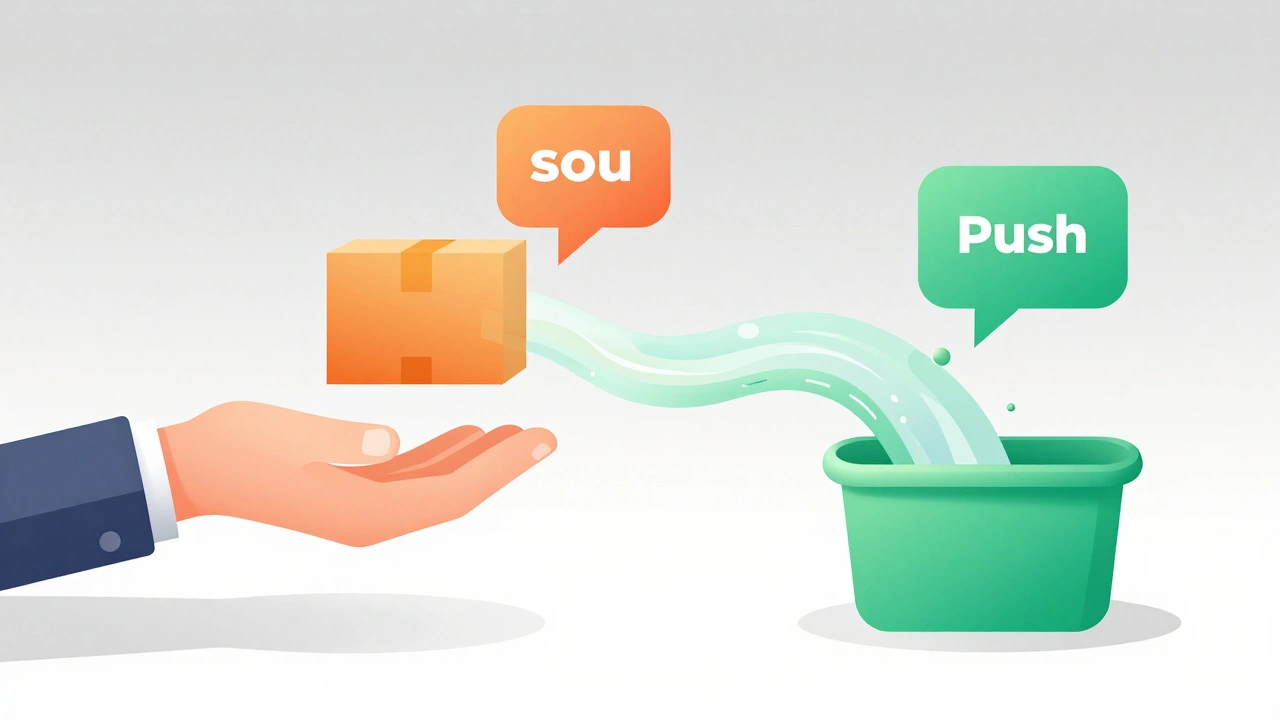
In the past, grabbing fresh data meant asking the server repeatedly. Today, the server pushes updates directly to you. The difference matters significantly for performance and accuracy. If you are building a bot, a dashboard, or an analytics tool, picking the wrong channel wastes resources. You might miss critical edits or overload your own server with unnecessary requests.
Understanding RecentChanges API
The RecentChanges API is the traditional endpoint for retrieving lists of recent modifications across the platform represents the stable, established method. It works like a standard query. You tell the server what you want, and it gives you a list. You define the time range, the namespace, or the revision ID. This method uses HTTP GET requests, which makes it easy to integrate into any web stack.
However, this approach depends on polling. Your application asks, "Is there something new?" and waits for an answer. If nothing happened, you still paid the cost of the request. On high-traffic sites like the English Wikipedia, this overhead adds up quickly. You risk hitting rate limits if you check too often. Conversely, checking too slowly creates gaps in your data where fast-moving vandalism slips by unnoticed.
One major advantage here is simplicity. Most languages have libraries that handle HTTP calls automatically. You don't need to manage persistent connections or handle network interruptions manually. For historical analysis or periodic batch processing, this remains a solid choice. It provides structured XML or JSON responses that parse cleanly into local databases.
Diving into EventStreams
While RecentChanges queries the database, EventStreams provides a low-latency push mechanism for streaming edit events directly to subscribers operate differently. Think of this as signing up for a newsletter instead of checking your mailbox. The system sends a message exactly when an edit happens. This architecture relies on message brokers, often using technologies like Apache Kafka under the hood.
The benefit here is immediate latency. The delay between an edit occurring and your system receiving it drops to milliseconds. For applications requiring instant reaction-like automated vandalism detection bots-this speed is crucial. You react before damage spreads. Additionally, the bandwidth usage improves. The server only sends data when changes exist, eliminating empty polling requests.
Connecting requires a bit more setup than a simple HTTP call. You typically interact via WebSocket protocols or HTTP long-polling endpoints tailored for streaming. You subscribe to specific topics, such as "wiki.en.edit". Then, the connection stays open, waiting for incoming packets. If the connection drops, the client must handle reconnection logic gracefully to avoid losing the stream position.
| Feature | RecentChanges API | EventStreams |
|---|---|---|
| Transport Protocol | HTTP (REST) | WebSocket / MQTT / gRPC |
| Data Delivery | Pull (Client Requests) | Push (Server Sends) |
| Latency | Variable (Depends on Poll Interval) | Near Real-Time (Milliseconds) |
| Filtering | Query Parameters | Topic Selection |
| Resource Usage | Higher (Repeated Requests) | Lower (Persistent Connection) |
Choosing the Right Feed for Your Project
Deciding between these options depends on your specific goals. Are you analyzing trends over weeks? Do you need to catch bot spam instantly? The trade-offs become clear when you map your requirements to the technical constraints.
If your project involves bulk history reconstruction, use the RecentChanges API. Its pagination support allows you to step back in time logically. You can fetch revisions hour by hour without managing complex stream offsets. Conversely, if you run an alert system for controversial pages, EventStreams keep you ahead of the curve. You don't wait for a cycle to finish; you act on the notification immediately.
Budget and infrastructure also dictate the choice. Maintaining thousands of WebSocket connections consumes server memory. Polling scales horizontally easier but costs more bandwidth. Evaluate your server capacity before committing to a push-based architecture. Sometimes, hybrid approaches work best, using EventStreams for immediate alerts and RecentChanges for archival snapshots.
Implementing Data Consumption Logic
Once you select a feed, parsing the data becomes your next hurdle. Both streams deliver rich metadata about each edit. This includes the user who made the change, the timestamp, and the diff between versions. Properly handling this payload prevents errors downstream.
- User Attribution: Verify usernames against known bots. Some streams include bot flags explicitly, while others require cross-referencing.
- Timestamp Accuracy: Be aware of timezone formats. ISO 8601 standards usually apply, but ensure your parser handles UTC conversion correctly.
- Diff Processing: Calculate changes efficiently. Avoid downloading full page revisions unless necessary. Use delta encoding where supported.
Security plays a role too. Public feeds expose editing patterns, which could theoretically reveal sensitive information about IP addresses in some configurations. Always sanitize inputs before storing them. Never trust external timestamps implicitly; generate your own local record time.
Navigating Rate Limits and Throttling
No matter which feed you use, the Wikimedia Foundation non-profit organization that hosts Wikipedia and manages its technical infrastructure imposes limits to protect their servers. Aggressive polling can get your IP address blocked. Streaming services often disconnect clients that behave erratically.
For RecentChanges, respect the user-agent policies. Identify your script clearly so administrators know you are legitimate. If you exceed thresholds, implement exponential backoff. Wait longer after failures rather than retrying immediately. For EventStreams, monitor connection health. If the stream stalls, reconnect smoothly without flooding the logs with error messages.
Common Pitfalls in Stream Integration
Developers often overlook edge cases. A common mistake assumes perfect order. Network jitter might cause edits to arrive slightly out of sequence. Your storage layer must sort by timestamp locally before indexing. Another issue involves duplicate events. Network retries sometimes resend messages. Deduplicate based on unique edit identifiers provided in the payload.
Connection stability varies by region. If your server sits far from Wikimedia's data centers, latency increases. Consider using regional mirror points if available. Also, plan for downtime. Streams do not guarantee delivery during maintenance windows. Buffering data locally bridges these gaps effectively.
The Future of Real-Time Feeds
As of 2026, the infrastructure continues evolving. New serialization formats improve compression ratios. WebAssembly modules allow faster client-side processing of heavy diffs. Researchers increasingly leverage these feeds for sociological studies on collaboration patterns. The raw data reveals how knowledge communities function in real-time.
Moving forward, integration with AI models promises smarter moderation. Real-time feeds provide the training ground for algorithms learning to distinguish good faith edits from malicious attacks. Understanding these data pipelines now positions you well for that future landscape.
Frequently Asked Questions
Can I filter EventStreams by specific pages?
Yes, most implementations allow subscription filters. You can specify namespaces or even exact titles, reducing noise significantly compared to listening to the entire project dump.
Does the RecentChanges API provide edit diffs?
It provides links to diffs but usually returns summary metadata. You often need a separate call to the Diff API to retrieve the specific changed text content.
How do I handle lost connections in EventStreams?
Implement automatic reconnection logic. Save your last known sequence number or timestamp, then resume subscription from that point once the socket reopens.
Are there costs associated with accessing these feeds?
The feeds are free for public use, subject to fair usage policies. However, your own server hosting and bandwidth costs remain your responsibility.
Which language supports WebSocket connections best?
JavaScript and Python offer robust libraries for WebSocket management. Node.js is particularly strong for maintaining persistent server-side connections.
Is it legal to resell Wikipedia edit data?
Wikipedia content is CC-BY-SA, but scraping massive volumes for commercial gain may violate server terms of service. Always review the Terms of Use regarding automated access.