
Imagine opening a Wikipedia article about a complex historical event or a niche scientific concept. You don’t have time to read ten thousand words. You scan the first paragraph-the lead section is the introductory summary of a Wikipedia article that appears before any headings. If it’s cluttered, vague, or biased, you bounce. If it’s crisp, neutral, and comprehensive, you stay. The lead isn’t just a teaser; it’s the most heavily edited part of any entry because it sets the tone for everything that follows.
Writing a good lead feels like trying to summarize a movie in one sentence without giving away the ending or sounding like a robot. It requires balancing brevity with completeness. For editors aiming to improve content quality, mastering this skill is non-negotiable. This guide breaks down exactly how to craft leads that satisfy both readers and the strict standards of the platform.
The Core Purpose of the Lead Section
The primary job of the lead is to provide a concise overview of the article’s topic. It should answer the basic questions: Who? What? When? Where? Why? And How? Think of it as an executive summary for an encyclopedia. Unlike blog posts, which might use hooks or emotional appeals, a Wikipedia lead must be factual, neutral, and encyclopedic.
A strong lead allows a reader to understand the essence of the subject without scrolling further. It also serves as a roadmap for the rest of the article. If the lead mentions specific subtopics, those topics should appear later in the body text. Conversely, if the body contains major information not hinted at in the lead, the lead is incomplete.
- Summarize: Capture the most important points from the entire article.
- Orient: Help new visitors understand the scope and significance of the topic.
- Neutralize: Present facts without editorializing or using promotional language.
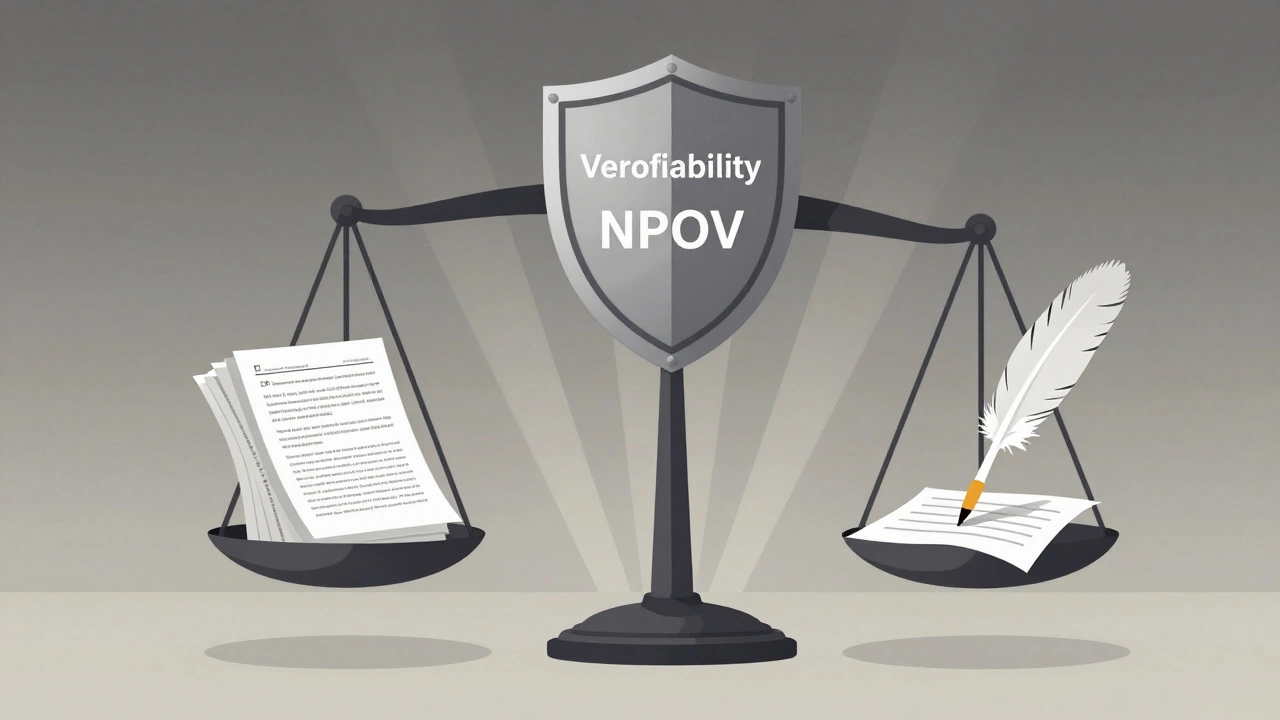
Many new editors make the mistake of treating the lead as a place to introduce their own research or opinions. This violates the core principle of Verifiability, which demands that all statements be backed by reliable sources. The lead must reflect what is already established in the body, not introduce new claims.
Structuring Your Summary for Clarity
There is no rigid formula for every article, but successful leads often follow a logical progression. Start with a clear definition or identification of the subject. Then, move to its significance, context, or key characteristics. Finally, touch upon notable aspects such as controversies, achievements, or current status.
For biographical articles, the first sentence should identify the person’s full name, profession, and most significant achievement. For example, instead of saying “John Doe was a great painter,” write “John Doe (1950-2023) was an American abstract expressionist painter known for his work in the Neo-Dada movement.” Specificity builds credibility.
In technical or scientific articles, define the term clearly before diving into applications. Avoid jargon unless it is standard within the field and defined immediately. Remember that your audience includes general readers, not just experts. If you find yourself using acronyms, spell them out on first use.
- Identify: State clearly what the subject is.
- Contextualize: Explain why it matters or where it fits in history/science.
- Highlight: Mention key features, events, or outcomes.
- Link: Ensure smooth transitions to deeper sections via internal links.
Keep paragraphs short. Ideally, the lead should be two to four paragraphs long. Long blocks of text intimidate readers and hide critical information. Use bolding sparingly-only for the title of the article itself if it appears in the first sentence.
Maintaining Neutral Point of View (NPOV)
Neutrality is the backbone of Wikipedia. The lead section is particularly vulnerable to bias because it shapes the reader’s initial impression. To maintain Neutral Point of View, avoid loaded adjectives like “brilliant,” “controversial,” or “disastrous” unless they are directly supported by multiple high-quality sources.
Instead of evaluating, describe. Rather than saying “The policy was widely hated,” say “The policy faced significant opposition from various political groups.” This shifts the focus from subjective judgment to verifiable fact. Always attribute controversial claims to their sources rather than stating them as absolute truth.
Watch out for “weasel words”-phrases like “many believe” or “some critics argue” without citing who those people are. These weaken the authority of the text. Replace them with specific references: “According to a 2024 study by the Pew Research Center...” This adds weight and transparency.
Balancing opposing views is crucial when dealing with contentious topics. If there are two major schools of thought, mention both briefly in the lead. Do not give disproportionate space to minority viewpoints unless they have had a significant impact on the field.
Sourcing and Verifiability in the Lead
Every claim in the lead must be supported by citations. While inline citations can clutter the visual flow, they are essential for trust. Use footnote-style references that link to reputable news outlets, academic journals, or official publications. Avoid blogs, social media posts, or self-published material unless they are primary sources for very recent events.
If a statement in the lead cannot be verified by a reliable source, remove it. Better to have a shorter, accurate lead than a longer, questionable one. Editors frequently patrol leads for unsourced content, so preemptive citation saves your work from deletion.
Consider the recency of your sources. For fast-moving topics like technology or politics, older sources may become outdated quickly. Update the lead regularly to reflect current developments. However, ensure that historical context remains intact so the article doesn’t lose its narrative arc.
| Source Type | Reliability Level | Best Used For |
|---|---|---|
| Academic Journals | High | Scientific facts, historical analysis |
| Major News Outlets | Medium-High | Current events, political decisions |
| Official Reports | High | Statistics, legal documents |
| Blogs/Social Media | Low | Rarely acceptable; only as primary sources |

Common Pitfalls to Avoid
New editors often fall into traps that undermine the quality of their leads. One common error is including too much detail. The lead is not the place for exhaustive lists, minor dates, or obscure trivia. Save those details for the body sections. If a fact doesn’t belong in a dictionary definition, it probably doesn’t belong in the lead.
Another pitfall is original research. Synthesizing information from multiple sources to create a new conclusion is forbidden. You can summarize existing consensus, but you cannot draw new inferences. Stick to what published authors have already stated.
Also, avoid promotional tone. Even if the subject is a beloved artist or a groundbreaking company, resist the urge to praise. Let the facts speak for themselves. Phrases like “widely regarded as one of the best” should be replaced with specific awards or sales figures that demonstrate success objectively.
Finally, check for redundancy. Don’t repeat the same idea in different words. Each sentence in the lead should add unique value. If you can delete a sentence and the meaning remains unchanged, cut it. Conciseness is king.
Editing and Refining Your Work
Once you’ve drafted the lead, step away for a few hours. Come back with fresh eyes. Read it aloud to catch awkward phrasing. Ask yourself: Would someone unfamiliar with the topic understand this? Is the tone objective? Are all claims sourced?
Use Wikipedia’s talk pages to seek feedback. Other editors can spot biases or gaps you missed. Collaboration is key to maintaining high standards. Don’t take criticism personally; view it as an opportunity to strengthen the article.
Regularly review the lead against the body. As the article grows, the lead may become outdated. Add new major developments and remove obsolete information. Keep the lead synchronized with the rest of the content to ensure consistency.
Remember, the goal is not perfection on the first try. It’s continuous improvement. Every edit brings the article closer to being a trusted, authoritative resource. By focusing on clarity, neutrality, and verifiability, you contribute significantly to the integrity of the platform.
How long should a Wikipedia lead section be?
A typical Wikipedia lead ranges from 2 to 4 paragraphs, roughly 100 to 300 words. The length depends on the complexity of the topic. Simple subjects need less space, while complex ones require more detail to cover all key aspects adequately.
Can I include images in the lead section?
Yes, images are often included in the lead, usually aligned to the right side. They should be relevant, high-quality, and properly licensed. Captions must be concise and informative, adding context rather than repeating the text.
What if there is no consensus on the importance of certain facts?
In cases of disagreement, prioritize information supported by multiple independent, reliable sources. If conflicting views exist, present them neutrally with attribution. Discuss unresolved issues on the article’s talk page to reach a community consensus.
Should I use bullet points in the lead?
Generally, no. The lead should be written in prose format to maintain a narrative flow. Bullet points can disrupt readability and are better suited for lists within the body of the article. Exceptionally, infoboxes may contain structured data.
How do I handle living persons in the lead?
Exercise extreme caution. Adhere strictly to the Biographies of Living Persons policy. Only include well-sourced, non-controversial facts. Avoid speculative language or unverified claims. Prioritize privacy and dignity above all else.