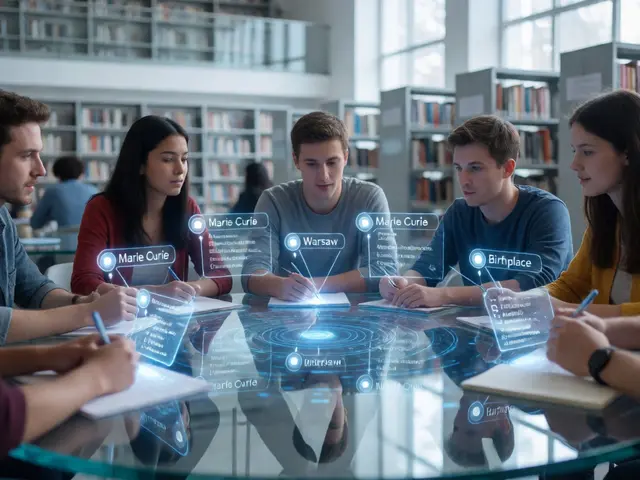
Quick Takeaways: The State of the Gap
- The percentage of women biographies on English Wikipedia is significantly lower than that of men, often hovering around 15-20%.
- Female editors are far fewer in number than male editors, creating a feedback loop of biased content.
- The "notability" criteria often unintentionally penalize women, as historical records for women are often thinner.
- Efforts like Edit-a-thons are helping, but the gap remains stubborn in STEM and political categories.
Why the Numbers Matter: The Data Behind the Bias
When we talk about the gender gap, we aren't just guessing. Researchers use data mining to see who is being written about. For years, studies have shown that men are vastly overrepresented. In the English version of the site, the disparity is stark. If you look at the biographies of scientists, the ratio is even worse. Women who have won Nobel Prizes often have shorter, less detailed pages than men who won the same award for less influential work.
This creates a "knowledge vacuum." If a young student searches for role models in physics and only sees names like Isaac Newton or Albert Einstein, they internalize the idea that science is a male domain. The data tells us that the gap isn't just about who is missing, but about the quality of the entries. Women's biographies often focus more on their marital status or family life than their professional achievements, a trend rarely seen in men's entries.
The Editor Problem: Who is Holding the Pen?
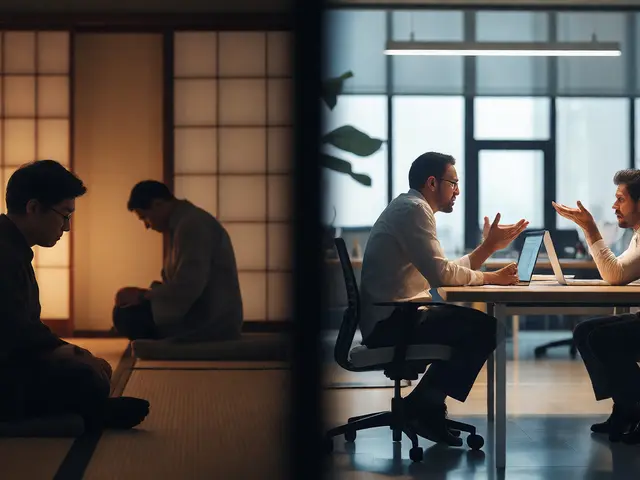
To fix the content, we have to look at the people creating it. The Wikimedia Foundation, the non-profit that hosts the site, has tracked editor demographics for years. The results are sobering. A huge majority of active editors identify as men. This is a classic case of the "echo chamber" effect. Men write about things they find interesting, and because they are the ones writing, those things become the standard for what is considered "important."
Why aren't more women editing? It isn't a lack of interest. Many female editors report a hostile environment. From "edit wars" to condescending tones in talk pages, the social barrier to entry is higher for women. When a woman tries to add a biography of a female pioneer, she often faces stricter scrutiny regarding "notability" than a man adding a biography of a mediocre male athlete.
| Metric | Male Subjects | Female Subjects | Impact |
|---|---|---|---|
| Biography Volume | ~80-85% | ~15-20% | High visibility bias |
| Average Page Length | Longer/Detailed | Shorter/Stubs | Perceived lack of importance |
| Editor Participation | Dominant | Underrepresented | Limited perspective in curation |
The Notability Trap: A Circular Logic
One of the biggest hurdles in closing the gap is the concept of Notability. In Wikipedia terms, a person is notable if they have "significant coverage in reliable sources." Here is the problem: the "reliable sources" (newspapers, history books, academic journals) have also had a gender gap for centuries. If a female chemist in the 1920s wasn't written about in the newspapers of her time, she fails the notability test today, even if her work was revolutionary.
This creates a circular trap. We don't write about women because there aren't enough sources, and there aren't enough sources because women were ignored. This is particularly evident in fields like Mathematics and Theoretical Physics. When an editor attempts to create a page for a woman, they often find that the only available sources are niche academic papers, which some editors argue doesn't meet the "general interest" threshold for notability.
Fighting Back: Edit-a-thons and Organized Efforts
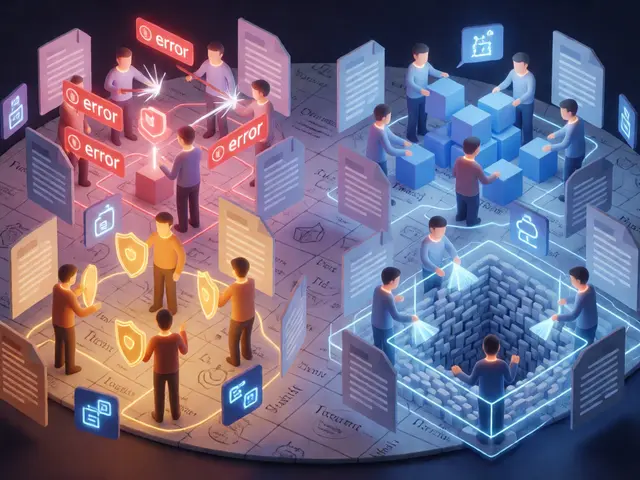
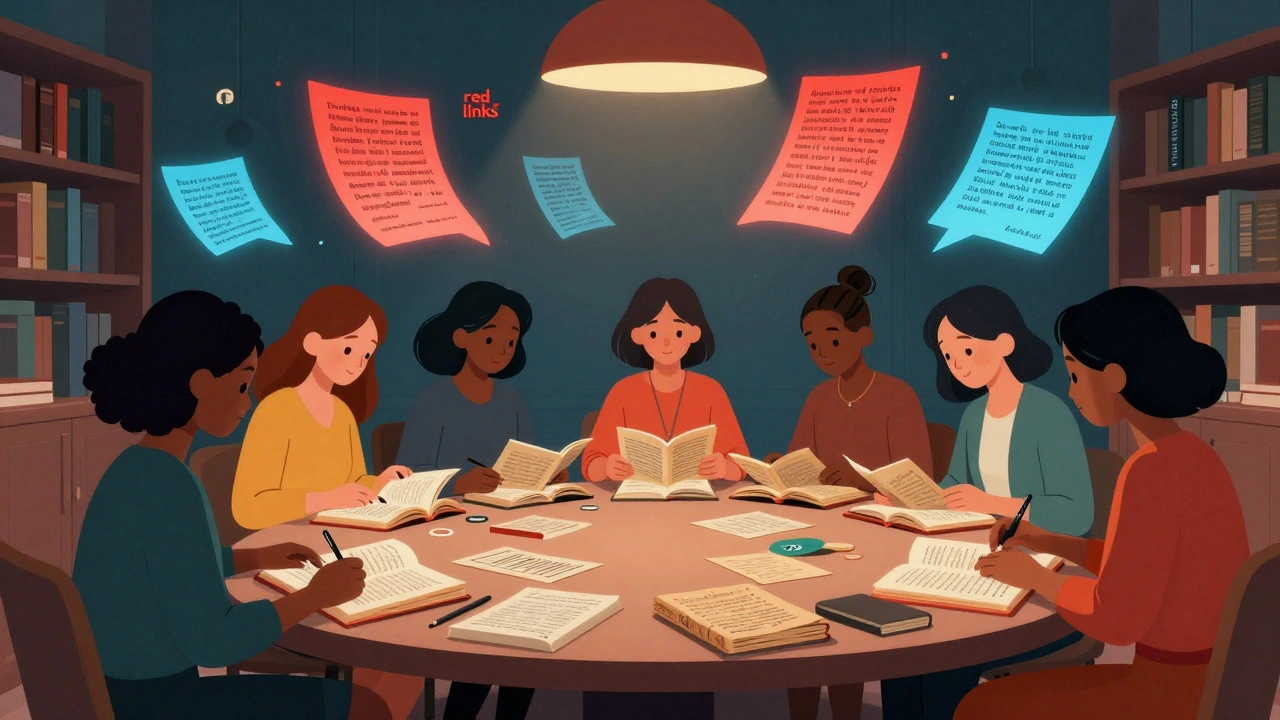
People aren't just sitting back and watching this happen. The rise of "Edit-a-thons"-organized events where people gather to create and improve pages about underrepresented groups-has been a game-changer. Groups like Women in Red focus specifically on adding women to the "red links" (pages that don't exist yet) of the encyclopedia. These events turn a lonely task into a social one, which helps overcome the intimidation factor for new editors.
These initiatives do more than just add names to a list. They force a re-evaluation of what counts as a source. By digging into archives and forgotten journals, these editors are essentially doing historical detective work. They prove that the information exists; it was just buried. When a thousand people spend a weekend adding 500 biographies of female engineers, it shifts the statistical needle and makes it harder for the community to claim that "there just isn't enough info" on women in tech.
The Ripple Effect on AI and Machine Learning
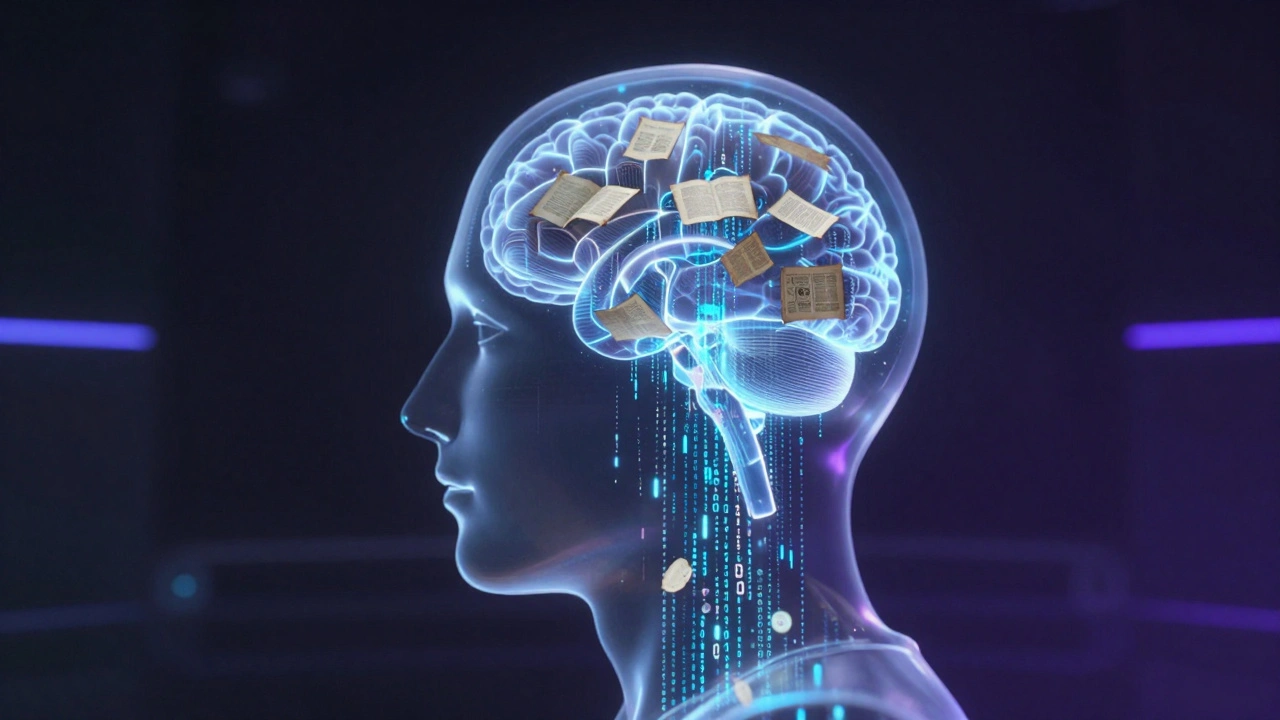
Why should we care if a random website has a gender gap? Because we are now in the age of Artificial Intelligence. Large Language Models (LLMs) are trained on massive datasets, and Wikipedia is one of the most trusted sources for these models. If the training data is biased, the AI becomes biased.
If an AI is asked to "describe a typical CEO" and it has read ten thousand biographies of male CEOs and only five hundred of female ones, it will likely generate an image or a description of a man. This isn't just an encyclopedia problem; it's a digital blueprint problem. The gender gap in Wikipedia data is being baked into the code of the future, meaning the biases of the past are being automated and scaled for the next generation.
Moving Toward a Balanced Digital Archive
Closing the gap isn't about "erasing" men or artificially inflating numbers. It's about accuracy. An encyclopedia that ignores 50% of the human experience isn't an encyclopedia; it's a partial record. To truly move forward, the community needs to move beyond just adding pages and start changing the culture. This means creating a more welcoming environment for diverse editors and challenging the rigid, often biased interpretation of notability.
The goal is a state where a student in Madison or Tokyo can search for any field of study and find a balanced reflection of everyone who contributed to it. Until then, every new biography of a forgotten woman is a small victory against a very large, very old data bias.
What is the "Gender Gap" on Wikipedia?
The gender gap refers to the significant disparity in the number and quality of biographies of men versus women. It also encompasses the imbalance in the demographics of the people who actually edit the site, with a much higher percentage of male contributors.
How does the gap affect AI?
Since many AI models and Large Language Models (LLMs) use Wikipedia as a primary source of truth for training, any systemic bias in the content is absorbed by the AI. This can lead to AI-generated content that reinforces gender stereotypes or ignores female contributions to history.
What is an "Edit-a-thon"?
An Edit-a-thon is a coordinated event where a group of people meet (online or in person) to add new articles or improve existing ones on Wikipedia, usually focusing on a specific theme or underrepresented group to help close content gaps.
Why is "notability" a problem for women?
Wikipedia requires subjects to be "notable," meaning they must be covered by reliable secondary sources. Because women were historically excluded from many professional fields and less documented by historians, they often have fewer available sources, making it harder for them to meet the site's strict notability standards.
Can anyone help close the gap?
Yes. Anyone can create an account and start editing. The best way to help is to find "red links" (missing pages) for women in your area of expertise and provide well-sourced information to create those pages.