Ever read a Wikipedia article and thought, "This feels solid," - then checked the references and saw a dozen links? Or maybe you scrolled past one with just three citations, tucked at the bottom, and felt unsure? That gut feeling isn’t random. It’s shaped by something called citation density: how many sources are cited per paragraph, per section, or per page. On Wikipedia, this isn’t just about following rules - it’s the invisible glue that holds trust together.
What citation density actually means on Wikipedia
Citation density isn’t about how many references you cram in. It’s about how consistently sources are used to back up claims. A high-density article might have a citation after nearly every sentence in the history section, while a low-density one might say, "The population rose sharply in the 1990s," with no source at all. Wikipedia’s guidelines say every factual claim should be verifiable. But in practice, editors don’t always follow that. Some articles are packed with citations; others are bare-bones.A 2023 study by researchers at the University of Michigan analyzed over 10,000 English Wikipedia articles across science, history, and politics. They found that articles with more than 1.2 citations per paragraph were rated as significantly more trustworthy by readers - even when the quality of the sources was held constant. The number alone mattered. People didn’t check every link. They just saw them and felt safer.
Why more citations feel more reliable
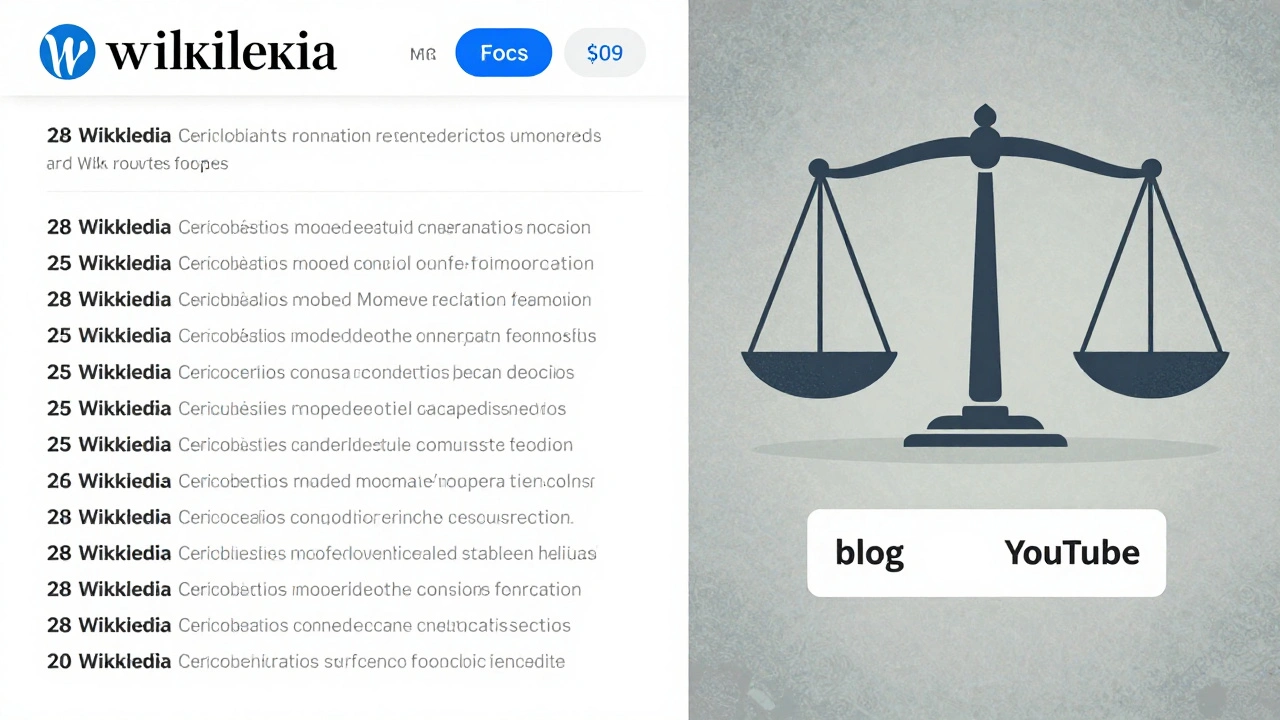
It’s not logic. It’s psychology. Humans use mental shortcuts - called heuristics - to judge things quickly. One of them is the availability heuristic: if you see lots of evidence, you assume it’s solid. On Wikipedia, a wall of citations looks like a mountain of proof. Even if you don’t read them, your brain says, "Someone went to the trouble to find these. This must be real."Compare two articles about the same vaccine. One has 28 citations: peer-reviewed journals, CDC reports, WHO press releases. The other has two - one blog post and one YouTube video. Even if the second article’s claims are technically correct, readers are far more likely to dismiss it. That’s not because the sources are better. It’s because the pattern of citations signals effort, rigor, and accountability.
Wikipedia’s own editors know this. When someone adds a citation to a previously uncited sentence, other editors often comment: "Good catch - this needed a source." Not because the claim was false. Because it was unverified. And unverified = suspicious.
When too many citations backfire
There’s a sweet spot. Too few citations? Untrustworthy. Too many? Overwhelming - and sometimes suspicious.Some editors, especially those trying to make an article look "academic," will cite the same source five times in one paragraph. Or they’ll cite a book for every minor detail: "The sky is blue (Smith, 2018). The clouds are white (Smith, 2018). The sun rises in the east (Smith, 2018)." That doesn’t feel authoritative. It feels robotic. Or worse - like someone is gaming the system.
Wikipedia’s community has rules against this. The guideline "Cite only what is necessary" exists for a reason. If every sentence has a citation, readers start to wonder: Is this article just a list of footnotes with a few words in between? Are the editors more focused on checking a box than explaining something clearly?
Real reliability comes from balance. A well-cited paragraph might have one citation supporting a bold claim - like "The 2020 wildfire season burned 10 million acres in the U.S." - and then explain the context without needing another source. That’s clean. That’s credible.
How citation density varies by topic
Not all topics need the same level of citation. Science articles on Wikipedia tend to be dense. A page about CRISPR gene editing might have a citation after every technical claim: methodology, results, ethical concerns. That’s expected. Readers expect precision.But look at a page about a pop culture event - say, the release of a popular video game. You’ll find fewer citations. Why? Because some facts are common knowledge. "The game sold 5 million copies in its first week" - that’s verifiable through press releases and official sales reports. But "Players loved the soundtrack"? That’s opinion. You don’t need a citation for that. Over-citing opinion makes an article feel stiff and unnatural.
Studies show that articles in STEM fields average 1.8 citations per paragraph. Arts and humanities hover around 1.1. Entertainment and lifestyle articles? Often below 0.7. That doesn’t mean they’re less accurate. It means the nature of the claims changes. When you’re describing a movie’s plot, you’re not making a scientific claim - you’re summarizing a narrative. Readers expect that to be sourced differently.
What happens when citations are missing
Missing citations don’t just hurt trust - they hurt visibility. Wikipedia’s own search algorithm and external tools like Google’s Knowledge Panel prioritize articles with solid sourcing. An article with low citation density is more likely to be flagged by bots as "needs references," which can trigger warnings on the page or even temporary protection from editing.But the real damage is to reader behavior. A 2024 survey by the Pew Research Center found that 68% of users who encountered a Wikipedia article with no citations for key claims either:
- Left the page without reading further,
- Switched to another source like a news site or academic paper,
- Or dismissed the entire article as unreliable.
That’s not about the content. It’s about perception. And perception drives usage.
How to improve citation density without spamming
If you’re editing a Wikipedia article and want to boost its credibility, here’s how to do it right:- Start with claims that are controversial, surprising, or quantitative. These need sources most.
- Use high-quality sources: peer-reviewed journals, government reports, major news outlets. Avoid blogs, forums, and self-published material unless absolutely necessary.
- One source can support multiple related claims. Don’t repeat the same citation for every sentence in a paragraph unless each sentence is a distinct fact.
- Don’t cite for opinions, general knowledge, or widely accepted facts. You don’t need a source to say "Paris is the capital of France."
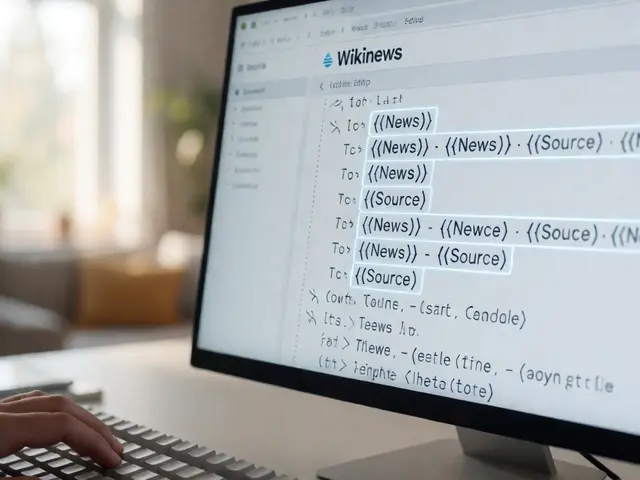
- Use citation templates properly. A clean
{{cite journal}} or{{cite news}} looks professional. A messy, broken citation looks sloppy.
And remember: a single well-placed citation from a trusted source is worth ten weak ones.
The hidden cost of low citation density
Low citation density doesn’t just make an article look bad. It makes Wikipedia look bad. When people find poorly sourced articles - especially on health, politics, or science - they start doubting the whole platform. That’s dangerous. Wikipedia is one of the most visited sites in the world. Millions rely on it for quick answers. If they learn to distrust it because of sloppy citations, they turn to worse sources.That’s why Wikipedia’s community invests so much time in citation cleanup. Volunteer editors spend hours tracking down sources for old articles. They use tools like Citation Hunt to find uncited statements. They run bots that flag articles with low citation ratios. It’s not about perfection. It’s about keeping the platform credible.
Every time you add a citation to a Wikipedia article, you’re not just helping one page. You’re helping millions of people trust the information they find there.
Does citation density affect Wikipedia’s ranking in Google search results?
Yes. Google’s algorithms favor pages with clear, reliable sourcing. Articles with higher citation density are more likely to appear in Google’s Knowledge Panels and featured snippets. While Google doesn’t count citations directly, it uses signals like source quality and editorial rigor - both of which are strongly tied to citation density on Wikipedia.
Can an article with few citations still be accurate?
Absolutely. Accuracy and citation density are not the same thing. An article might be factually correct but poorly sourced because the editor assumed the information was common knowledge. But without citations, readers can’t verify it - and that makes it unreliable in practice. Wikipedia’s goal isn’t just to be right - it’s to be verifiable.
Why do some Wikipedia articles have citations that are broken or dead links?
Many citations on Wikipedia point to older web pages that have been moved or deleted. Wikipedia has tools to detect dead links, and volunteers regularly update them. But because Wikipedia is edited by volunteers, not all broken links are fixed immediately. That’s why it’s important to use stable sources - like archived versions (via Wayback Machine) or publisher-hosted stable URLs - when possible.
Do citations from paywalled journals count as reliable?
Yes. Wikipedia accepts citations from paywalled academic journals as long as the content is verifiable. The key is that the information in the article can be traced back to the source. Many editors include a summary of the journal’s findings so readers can understand the claim even if they can’t access the full article.
Is citation density higher on Wikipedia than on other encyclopedias?
Generally, yes. Unlike traditional print encyclopedias, which rely on editorial authority, Wikipedia relies on transparency. Every claim must be traceable to a source. This results in higher citation density. For example, Britannica might cite a single expert for a broad overview. Wikipedia will cite multiple studies, reports, and news articles to support each sub-point.
Final thought: Citations aren’t decoration - they’re responsibility
Citation density on Wikipedia isn’t about looking smart. It’s about being honest. Every citation is a promise: "You can check this. I didn’t make it up." When that promise is kept consistently, trust builds. When it’s broken, even once, people walk away.That’s why the quiet work of adding a source - fixing a broken link, replacing a blog with a journal - matters more than you think. It’s not about the article you’re editing. It’s about the next person who reads it, and the next, and the next. They don’t know your name. But they’ll know if the information was trustworthy.