
Imagine launching a new Encyclopedia Platform is a digital repository designed to aggregate, verify, and distribute structured knowledge to the public. You have built a robust backend, hired top-tier editors, and secured funding. But when you hit "publish," nobody logs in. Why? Because in the age of algorithmic feeds, your product doesn't exist until the media tells people it does. The relationship between journalistic reporting and user acquisition for knowledge repositories is not just about publicity; it is a structural dependency that determines whether a platform becomes a utility or a ghost town.
The core problem isn't quality-it's visibility. Users don't search for "new encyclopedias"; they search for answers. If the media doesn't frame your platform as the authoritative source for those answers, users will default to incumbents like Wikipedia or Britannica. This article breaks down how specific types of media narratives drive adoption, the psychological triggers involved, and the strategic levers publishers can pull to turn press coverage into sustained traffic.
The Visibility Paradox: Why Quality Doesn't Equal Traffic
In the early days of the web, if you built a good site, people found it through links. Today, discovery is mediated by news cycles. For an Information Repository is a system that stores and retrieves data, often requiring external validation to establish credibility., this creates a chicken-and-egg problem. You need users to prove the platform works, but you need proof that it works to attract users. Media coverage bridges this gap by providing social proof before first-hand experience.
Consider the launch of Wikipedia is a free, web-based collaborative project intended to compile and edit knowledge.. It didn't start with millions of users. It started with tech blogs and mainstream outlets framing it as a revolutionary, open-source alternative to traditional publishing. That narrative created a curiosity loop. People visited not because they needed a definition of "photosynthesis" immediately, but because they wanted to see how the "crowd-sourced giant" worked. Once inside, the utility retained them. Without that initial media push, Wikipedia might have remained a niche hobbyist project for years longer.
The key takeaway here is that media coverage acts as a trust accelerator. In a landscape saturated with misinformation, users are skeptical of new sources. A mention in a reputable outlet like *The New York Times* or *TechCrunch* serves as a heuristic shortcut. It signals to the brain: "If these experts think this is worth covering, it’s probably safe to use."
Narrative Framing: Three Types of Media Stories
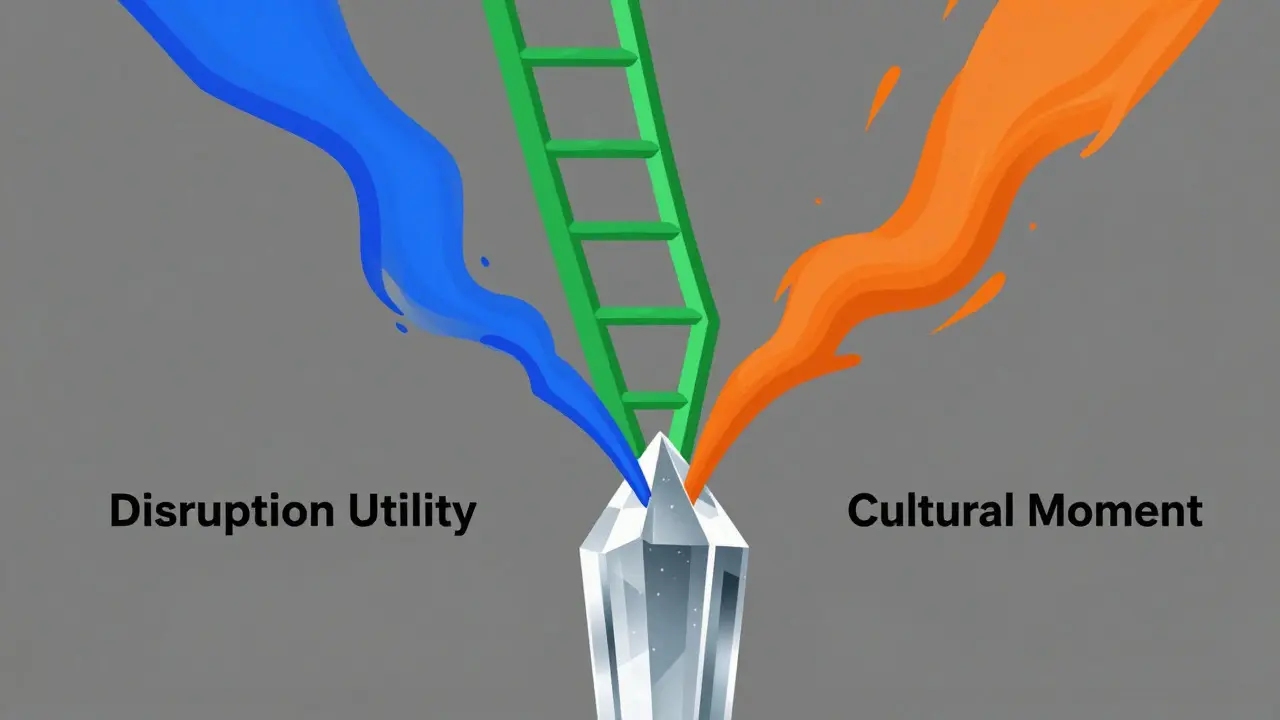
Not all coverage is created equal. The angle journalists take on a new platform significantly impacts the type of audience it attracts. We can categorize these narratives into three distinct buckets, each with different conversion rates for long-term adoption.
- The Disruption Story: This frames the platform as a challenger to the status quo. Headlines look like "New AI-Driven Encyclopedia Challenges Wikipedia's Dominance." This attracts tech enthusiasts, skeptics, and early adopters. The risk? These users are critical. They come to poke holes, not necessarily to rely on the platform daily. However, this story generates high volume traffic quickly.
- The Utility Story: This focuses on specific features that solve pain points. Examples include "Real-Time Fact Checking for Journalists" or "Multilingual Access for Global Students." This attracts professionals and students who have immediate needs. The conversion rate for regular usage is higher here because the value proposition is clear and functional.
- The Cultural Moment Story: This ties the platform to a trending topic. If a major scientific breakthrough happens, and a new encyclopedia has the most up-to-date, expert-verified articles on it, media outlets will cite it. This positions the platform as an authority in real-time. It builds deep trust but requires the platform to be fast and accurate enough to handle breaking news contexts.
Most successful launches blend these. You start with the Disruption Story to get attention, then pivot to Utility Stories to retain the users who clicked through. The Cultural Moment Story is less controllable but highly rewarding if you catch it right.
The Trust Mechanism: How Press Credibility Transfers
Why does a blurb in a newspaper matter more than a banner ad? Because of borrowed authority. When a trusted institution vouches for a product, the user perceives lower risk. For Digital Knowledge Platforms is online services dedicated to curating and presenting factual information., trust is the currency. If the media reports that a new platform uses peer-reviewed content or employs PhD-level editors, that detail sticks.
However, there is a trap. If the coverage is purely promotional-essentially a paid placement disguised as news-the effect reverses. Savvy users, especially in academic and professional circles, recognize sponsored content. If they feel tricked, their trust in the platform drops below zero. They don't just ignore it; they actively distrust it. This is why editorial independence in media coverage is crucial. The best coverage comes from journalists who genuinely find the platform useful or novel, not from press releases distributed via wire services without context.
To maximize this transfer of trust, platforms should provide journalists with tangible assets: exclusive data insights, interviews with lead scientists or historians, or behind-the-scenes looks at the verification process. Give the media something to chew on beyond the press release boilerplate.
Quantifying Impact: From Clicks to Retention
It’s easy to measure impressions. Harder to measure adoption. How do we know if media coverage actually changed behavior? We look at two metrics: Session Depth and Return Rate.
- Session Depth: Did the user read one article (likely driven by a specific news hook) or browse multiple topics? High session depth indicates genuine interest in the platform as a resource, not just a news artifact.
- Return Rate: Did the user come back within 30 days? If yes, the platform has become part of their workflow. If no, the coverage was a one-off novelty.
Data from recent platform launches suggests that while a single viral article can spike traffic by 500% overnight, only 10-15% of those visitors return unless the platform offers ongoing value. The media gets them in the door; the product keeps them there. This disconnect is where many new platforms fail. They win the PR battle but lose the product war.
Strategic Levers for Publishers
If you are building or managing an encyclopedia platform, you can’t control what journalists write, but you can influence the context they work with. Here are practical steps to align media coverage with adoption goals.
- Create Exclusive Data Points: Don’t just say "we have 10,000 articles." Say "our analysis shows a 40% faster update cycle than competitors during the last pandemic." Specific, verifiable data makes for better stories and attracts serious journalism.
- Target Niche Outlets First: Before going for mainstream tech news, target subject-matter experts. Get coverage in *Nature*, *The Economist*, or specialized industry journals. Their endorsement carries more weight with professional users than a generic tech blog post.
- Offer Journalistic Tools: Provide APIs, citation generators, or fact-checking dashboards specifically for reporters. If journalists use your platform to verify their own stories, they will naturally recommend it to readers. This is the highest form of organic promotion.
- Prepare for Criticism: New platforms will be criticized. Have a transparent response strategy. If a journalist finds outdated info, fix it publicly and thank them. This transparency reinforces the "trust" narrative far better than ignoring the critique.
The goal is to shift the conversation from "Is this new thing cool?" to "Do I need this tool?" Media coverage initiates the former; product excellence sustains the latter.
Pitfalls to Avoid
Even with great execution, things can go wrong. The most common mistake is over-reliance on a single media event. If your entire growth strategy hinges on one big launch day feature in a major newspaper, you’re vulnerable. News cycles move fast. By next week, the story is old.
Another pitfall is ignoring the "silent majority." Not everyone reads the news. Many users discover platforms through word-of-mouth or social sharing. Ensure your media assets are shareable. Infographics, short video explainers, and interactive demos help bridge the gap between a text-heavy news article and a visual-first social feed.
Finally, avoid jargon. If your platform is for general consumers, make sure the media coverage reflects that simplicity. If the headlines are full of technical acronyms, you’ll alienate the very people you want to reach. Keep the language human. Talk about solving problems, not deploying algorithms.
The Long Game: Sustaining Momentum
Media coverage is a spark, not a fire. To sustain adoption, you need a continuous feedback loop. Monitor mentions, engage with critics, and keep updating content based on user queries. Use analytics to see which articles drove the most returning users and double down on those topics.
As Knowledge Curation is the process of selecting, organizing, and maintaining information resources. evolves, the role of media shifts from mere announcement to partnership. Outlets increasingly rely on platforms for verified facts, and platforms rely on outlets for distribution. This symbiotic relationship is the future of digital knowledge. Those who master the interplay between editorial integrity and user utility will define the next generation of reference tools.
So, the next time you see a headline about a new encyclopedia, ask yourself: What story are they telling? And more importantly, what job are they trying to do for the reader? The answer will tell you everything about where the platform is headed.
Does media coverage guarantee user retention for new platforms?
No. Media coverage drives initial awareness and traffic spikes, but retention depends on product utility. Typically, only 10-30% of media-driven visitors return within 30 days unless the platform solves a specific, recurring problem for them.
What type of media story leads to the highest quality users?
Utility-focused stories lead to the highest quality users. These narratives highlight specific features that solve pain points, attracting professionals and students who intend to use the platform regularly rather than just browsing out of curiosity.
How can a new platform build trust before having a large user base?
By leveraging borrowed authority from reputable media outlets. Providing journalists with exclusive data, expert interviews, and transparent verification processes helps establish credibility through third-party validation before direct user experience is widespread.
Is paid advertising more effective than organic media coverage for encyclopedias?
For knowledge platforms, organic media coverage is generally more effective for building trust. Paid ads can generate clicks, but they lack the heuristic signal of editorial endorsement, which is crucial for convincing users to switch from established sources like Wikipedia.
What is the biggest risk associated with relying on media hype?
The biggest risk is the "expectation gap." If media coverage oversells the platform's capabilities, users may arrive with inflated expectations. If the product doesn't match the hype, churn rates increase, and negative word-of-mouth can damage long-term brand reputation.