Wikipedia doesn’t run on algorithms. It runs on people. Over 100,000 active editors contribute every month, but more than half of new editors leave within their first year. Why? Many feel lost, ignored, or overwhelmed. The solution isn’t better software-it’s better support. Mentorship and coaching programs on Wikipedia have quietly become one of the most effective tools for keeping editors around.
Why Do New Editors Leave Wikipedia?
New contributors show up with good intentions. They fix a typo, add a fact, or rewrite a confusing paragraph. Then they hit a wall. A revert with no explanation. A warning about "original research." A discussion page full of jargon they don’t understand. No one says hello. No one points them to the rules. They don’t know who to ask. So they leave.
A 2023 study by the Wikimedia Foundation found that editors who received any form of personal feedback within their first three edits were 3.7 times more likely to make a 10th edit. That’s not a small boost. That’s the difference between a ghost town and a thriving community.
What Mentorship Looks Like on Wikipedia
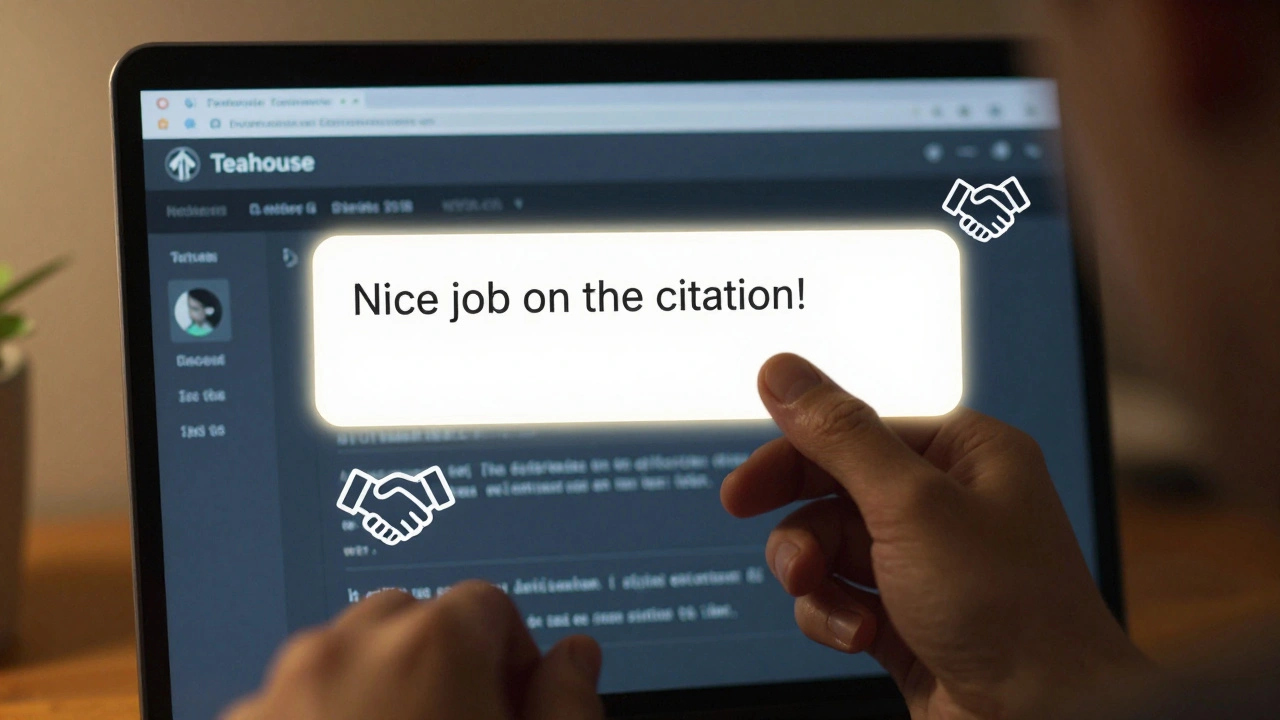
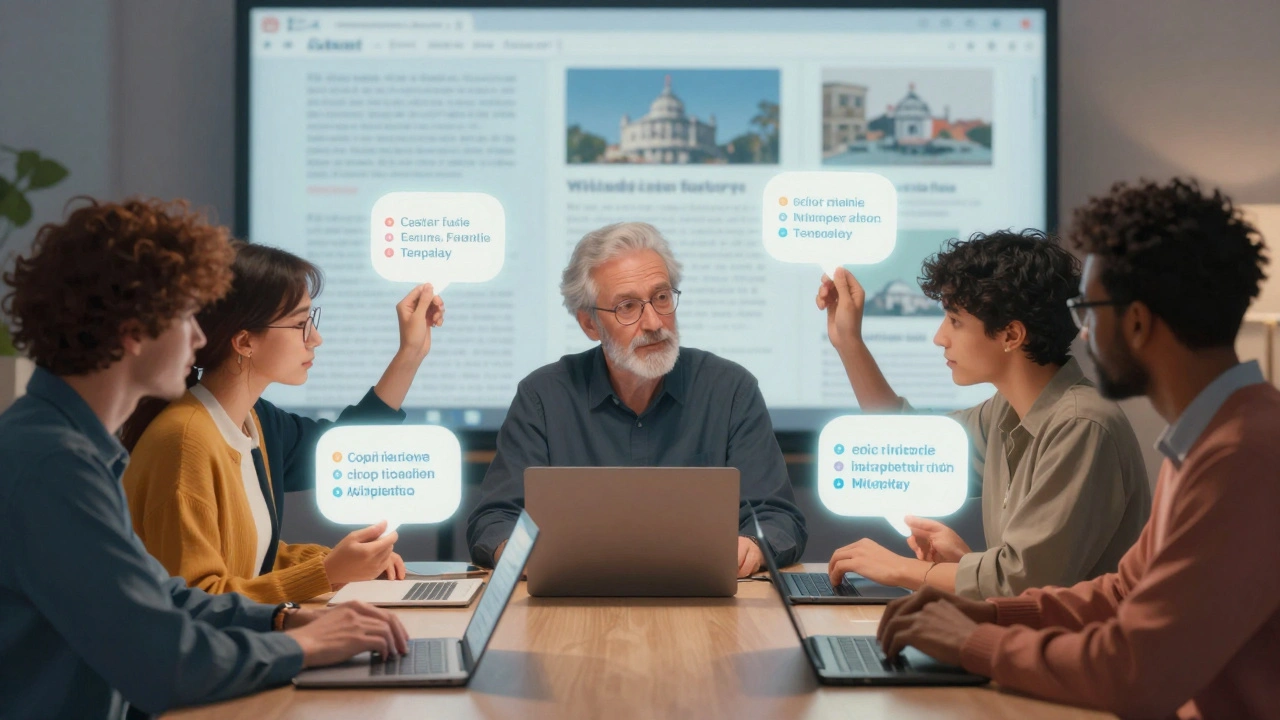
Wikipedia mentorship isn’t formal training. It’s not a Zoom call with a syllabus. It’s a simple message: "Hey, I saw your edit on the Berlin Wall article. Nice job on the citation. Here’s a link to the policy on reliable sources-it’s tricky, but you’re on the right track. Let me know if you want help with the next one."
Experienced editors volunteer as mentors through programs like Wikipedia Mentorship Program and Teahouse. These aren’t official departments. They’re grassroots efforts run by volunteers who care about keeping the community alive. Mentors don’t assign tasks. They answer questions, explain norms, and give encouragement. They treat new editors like learners, not mistakes.
One mentor in Poland told me she spends 20 minutes a day replying to new users. She doesn’t track her impact. But she’s helped over 800 people in five years. Many of them are still editing today.
Coaching Programs: More Structure, Same Heart
Some communities took mentorship a step further. The Wikipedia Coaching Program, launched in 2021, trains experienced editors to guide newcomers through structured, goal-based support. Coaches don’t just fix edits-they help editors set goals: "I want to write my first featured article," or "I want to learn how to use templates."
Coaches use a simple framework: assess, plan, act, reflect. They check in weekly. They celebrate small wins. They normalize failure. One coach in Brazil worked with a student who kept getting reverted for adding unsourced claims. Instead of blocking her, the coach helped her find academic journals in Portuguese. Three months later, that student became one of the top contributors to the Brazilian Wikipedia’s science section.
Programs like this don’t just keep people around-they turn them into leaders. Of the 1,200 editors who completed the coaching program between 2021 and 2024, 68% became mentors themselves within a year.
Who Benefits the Most?
Not all new editors are the same. Mentorship works best when it meets people where they are.
- Students and academics: They need help translating research into encyclopedic format. Mentors show them how to cite properly without drowning them in policy.
- Non-native English speakers: They often get discouraged by harsh feedback. Coaches who speak their language reduce anxiety and increase participation.
- Women and underrepresented groups: Studies show they’re more likely to leave if they feel unwelcome. Personal outreach makes them feel seen.
- Older adults: Many have decades of knowledge but don’t know how to navigate the interface. Simple, patient guidance helps them contribute meaningfully.
When a 72-year-old retired librarian in Minnesota started editing medical articles after losing her husband to cancer, she didn’t need a tutorial. She needed someone to say, "Your stories matter here."
The Numbers Don’t Lie
Here’s what happens when you invest in people:
| Group | 10-Edit Retention Rate | 100-Edit Retention Rate | Became Mentor Within 1 Year |
|---|---|---|---|
| New editors (no support) | 12% | 3% | 0.5% |
| New editors with mentorship | 45% | 21% | 31% |
| New editors in coaching program | 58% | 32% | 68% |
These numbers come from Wikimedia’s internal data, analyzed across 12 language editions. The pattern is consistent: personal connection = longer commitment.
What Doesn’t Work
Not every attempt to help works. Some programs fail because they’re too rigid. Others fail because they’re too robotic.
Automated welcome bots that send the same message to everyone? Useless. New editors see them as spam.
Workshops that feel like lectures? They attract the already confident, not the unsure.
Programs that only focus on quantity-"How many articles did you create?"-ignore the emotional side of editing. People stay because they feel valued, not because they hit a number.
How to Get Involved
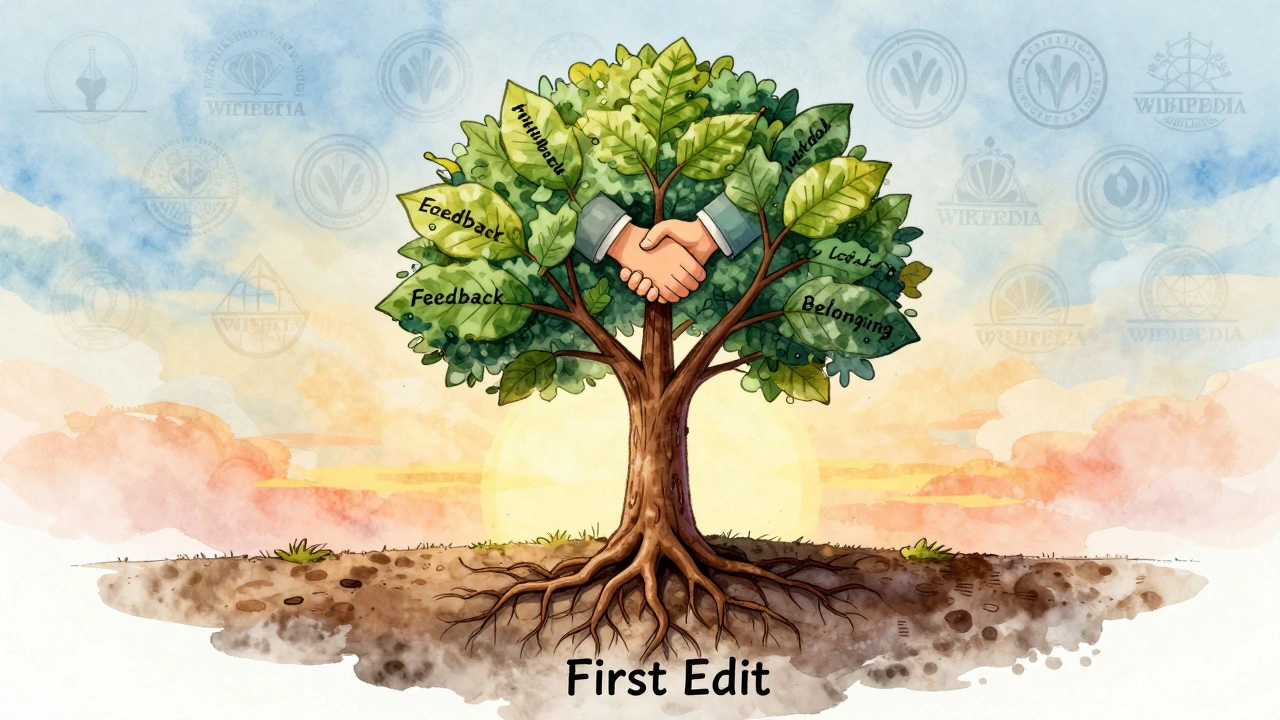
If you’ve been editing for more than six months, you’re already experienced enough to help. You don’t need to be an expert. You just need to be kind.
- Visit the Teahouse page. Answer one question from a new editor.
- Find a recent edit you like. Leave a comment: "Nice work! Here’s a tip to make it even stronger."
- Join the Mentorship Program sign-up page. It takes two minutes.
- Don’t wait for someone to ask. Reach out. A simple "Hi, I noticed your edit on X-want to chat about how to improve it?" can change someone’s entire experience.
One editor told me she almost quit after her first edit was reverted with a single line: "Not notable." She was about to delete her account when a mentor replied: "I get why you thought this mattered. Let’s find a source together."
She’s now a top contributor to the LGBTQ+ history section.
What’s Next for Wikipedia’s Community
The future of Wikipedia isn’t in better AI tools or faster servers. It’s in human connection. As the platform grows, the pressure to produce content faster will increase. But if we lose the people behind the edits, we lose the soul of the project.
More language editions are starting mentorship programs. Some universities now offer credit for Wikipedia editing-with mentors assigned. Local chapters in cities like Nairobi, Jakarta, and Mexico City are training community ambassadors.
The goal isn’t to turn every editor into a superstar. It’s to make sure no one feels alone when they start.
Do mentorship programs really increase editor retention on Wikipedia?
Yes. Data from the Wikimedia Foundation shows that editors who receive personal feedback within their first few edits are nearly four times more likely to keep contributing. Programs like Teahouse and the Wikipedia Coaching Program have retention rates over 50% after 10 edits, compared to just 12% for those without support.
Who can become a mentor on Wikipedia?
Anyone who has been editing for at least six months and understands basic policies can volunteer. You don’t need to be an expert or have a lot of edits. What matters is patience, kindness, and willingness to respond to questions. The mentorship program provides simple guides to help you get started.
How is coaching different from mentoring on Wikipedia?
Mentoring is usually casual and reactive-a quick reply to a question. Coaching is more structured and proactive. Coaches set goals with new editors, check in regularly, and help them build skills over time. Coaching programs often include training for the coaches themselves and track progress more formally.
Why do some new editors get discouraged on Wikipedia?
Many face harsh or anonymous feedback, unclear rules, or no guidance on where to start. A revert without explanation or a warning about "original research" can feel like rejection. Without someone to explain the norms or encourage them, new editors often assume they’re not welcome or good enough.
Can mentorship help underrepresented groups stay on Wikipedia?
Absolutely. Studies show that women, non-native speakers, and older adults are more likely to leave if they feel isolated or misunderstood. Personal outreach-especially from someone who shares their background-makes them feel seen. Mentorship reduces the sense of being an outsider and builds belonging.
Final Thought
Wikipedia is the largest encyclopedia ever written. But it’s not written by machines. It’s written by people-people who showed up, made a mistake, got a hand, and kept going. If you’ve ever edited a page, you’ve already helped. But if you’ve ever said "thank you" to a new editor, you’ve changed the future of the project.