Remember when a new TV season dropped every week? You’d watch an episode on Sunday, argue about the plot twists online until Wednesday, and then wait another five days for the next one. That rhythm shaped how we talked about shows-and how we documented them. But when Streaming services started releasing entire seasons at once in 2013, everything shifted. The weekly debate cycle collapsed into a weekend marathon. And that change didn’t just alter viewer habits; it rewired the way editors document television history on Wikipedia.
The core problem isn’t that streaming is bad. It’s that the traditional tools of encyclopedic documentation were built for a different era. When a show airs weekly, there’s time for critical consensus to form. Reviews come out, fan theories solidify, and cultural impact becomes measurable over months. With a full-season drop, the “cultural moment” happens all at once. Editors are suddenly scrambling to write articles for twelve episodes before the hype fades or the next trend takes over. This creates a specific type of editorial pressure that doesn’t exist in broadcast television.
The Speed Gap: Weekly vs. Simultaneous Release
To understand the friction, you have to look at the timeline. In the broadcast model, an article for "Episode 5" might not even be created until after it airs. By the time it’s written, there are established reviews, social media sentiment analysis, and perhaps early academic commentary. The entry is stable from day one.
In the streaming model, "Episode 5" exists the moment the season drops. If a show like Stranger Things or Squid Game launches globally, thousands of users rush to create pages within hours. These initial drafts are often raw, unverified, and heavily influenced by immediate fan reaction rather than critical consensus. The result is a high volume of edits in the first 48 hours, followed by a period of intense cleanup as more reliable sources become available. This "edit storm" is a defining characteristic of streaming-era Wikipedia entries.
Editorial Bias and the Pop Culture Surge
One of the most visible effects of binge-watching is the surge in page views and subsequent edit wars. When a show goes viral, its Wikipedia page becomes a battleground. Fans want to highlight their favorite characters or scenes. Critics want to emphasize flaws. Because the source material is so fresh, finding neutral, tertiary sources can be tricky. Editors often rely on trade publications or major news outlets, which may still be writing their first impressions rather than long-form retrospectives.
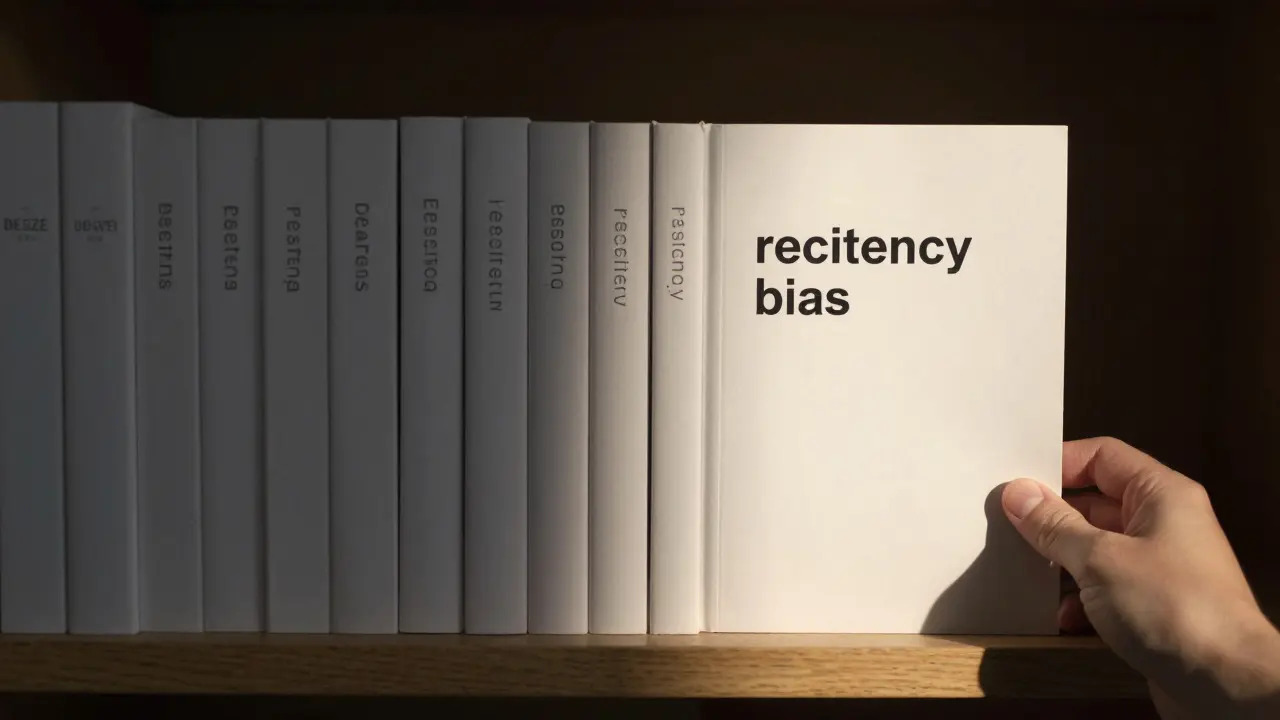
This leads to what some editors call "recency bias." The current season dominates the infobox and the lead section. Older seasons get pushed down or summarized briefly. In contrast, long-running broadcast shows develop a balanced overview where each season is treated with equal weight because the distance between release and documentation allows for perspective. Streaming shows struggle to achieve this balance quickly, leading to articles that feel lopsided until years later.
Structural Challenges for Article Organization
Wikipedia has standard templates for television series, but they weren’t designed for the rapid-fire nature of streaming content. Consider the "Episodes" section. For a weekly show, you list them chronologically. For a simultaneous release, the order is fixed, but the *relevance* of each episode changes rapidly based on audience reception. An editor might initially rank Episode 3 as the best-received based on early tweets. Two weeks later, Episode 9 emerges as the cultural touchstone. Updating these rankings requires constant vigilance and citation updates, which many volunteer editors find exhausting.
Furthermore, the concept of "seasons" itself is blurring. Some streaming platforms release limited series, others do anthology seasons, and some use "parts" instead of seasons. This inconsistency makes cross-referencing difficult. How do you compare the cultural impact of a six-part miniseries to a twenty-episode season? The metrics don’t align neatly, forcing editors to make subjective judgments about significance that are hard to defend with neutral citations.
| Factor | Broadcast Television | Streaming (Simultaneous Release) |
|---|---|---|
| Time for Consensus | Weeks to months per episode | Hours to days for entire season |
| Initial Draft Quality | Higher stability, fewer speculative claims | Lower stability, higher speculation |
| Source Availability | Established critical reviews available immediately | Reliance on early press and social media sentiment |
| Edit Volume Spike | Moderate, spread over weeks | Extreme spike in first 48 hours |
| Long-term Balance | Easier to maintain neutral overview | Harder to balance recent vs. older content |
The Role of Social Media in Sourcing
Traditionally, Wikipedia required reliable, published sources. In the streaming era, the line between "published" and "social media chatter" gets blurry. If a character dies in a finale, fans flood Twitter (now X) with reactions. Is that a valid indicator of cultural impact? Strictly speaking, no-unless a major outlet cites those reactions. But editors often struggle to distinguish between genuine cultural shifts and algorithmic amplification. This forces a more nuanced approach to sourcing, where editors must verify that a trend is backed by independent reporting, not just viral engagement.
Additionally, the global nature of streaming means that international reactions happen simultaneously. A show released in South Korea and the US on the same day generates a merged discourse. Editors from different regions may have different perspectives on what constitutes "significant" reception. This can lead to conflicts in how the "Reception" section is written, requiring careful diplomatic editing to represent a global view fairly.
Impact on Long-Term Historical Record
Perhaps the most significant effect is on how we remember these shows ten or twenty years from now. Because the initial documentation was rushed and biased toward immediate hype, the historical record may reflect peak popularity rather than lasting quality. Compare this to classic broadcast shows, whose Wikipedia pages have been refined over decades. They contain subtle details about production challenges, behind-the-scenes decisions, and evolving critical opinions that only emerge with time.
For streaming shows, the "golden age" of editing is the first month. After that, attention moves to the next big drop. Unless a dedicated community forms around a specific show, the article may remain static for years, frozen in its initial state of excitement. This creates a gap in the historical narrative: we know what people thought on day one, but we lack the longitudinal analysis that comes from sustained interest.
Practical Implications for Readers and Researchers
If you’re using Wikipedia to research a streaming show, keep these dynamics in mind. Check the "References" section carefully. If the sources are mostly from the first two weeks after release, the article reflects immediate perception, not established history. Look for the "Criticism" subsection specifically, as positive hype tends to dominate the lead sections during the initial edit storm.
For researchers, this shift highlights a broader issue in digital humanities: how do we archive ephemeral, fast-moving cultural phenomena? The traditional archival method of waiting for consensus may be too slow for the pace of modern media consumption. We need new frameworks for documenting pop culture that account for real-time impact without sacrificing neutrality.
Adapting Editorial Standards for the New Normal
Wikipedia is not static. The community has already begun adapting. There are now informal guidelines for handling "viral" events, encouraging editors to wait 48 hours before adding speculative claims about future seasons. Templates have been updated to better handle anthology structures. And there’s a growing emphasis on citing retrospective reviews, even if they appear months after the fact, to provide a more balanced view.
However, the fundamental tension remains. The speed of streaming rewards immediacy, while the goal of an encyclopedia is accuracy and depth. Until we find a middle ground, readers should treat streaming-era Wikipedia articles with a healthy dose of skepticism, especially regarding ratings and cultural impact claims made in the first few weeks of release.
Why are Wikipedia articles for new streaming shows often unstable?
They are unstable because the entire season is released at once, causing a massive influx of edits in the first 48 hours. Editors are working with limited reliable sources and high emotional investment from fans, leading to frequent revisions and edit wars as consensus forms.
Does binge-watching change how critics review shows?
Yes, it accelerates the review cycle. Critics often publish comprehensive reviews of the whole season immediately after release, rather than weekly reviews. This means the critical consensus is formed faster, but sometimes less thoroughly, affecting the sources available for Wikipedia editors.
Is it harder to find neutral sources for streaming shows?
It can be harder in the short term. While major outlets cover the release, deep-dive analyses and retrospective pieces take longer to produce. Editors often have to rely on early press coverage, which may be more promotional or reactive than analytical.
How does global release affect Wikipedia editing?
Global simultaneous releases merge international discourse. Editors from different countries may prioritize different aspects of the show’s reception, leading to potential conflicts in how the "Reception" section is written. It requires careful coordination to present a balanced global view.
What is recency bias in the context of streaming shows?
Recency bias refers to the tendency to overemphasize the most recent season or episode in an article. For streaming shows, this means the current release dominates the infobox and lead section, while older seasons are underrepresented until enough time has passed for a balanced perspective to develop.