Most students treat Wikipedia as a starting point, not a destination. But if you know how to read it critically, the platform becomes a powerful tool for developing critical reading skills. Instead of just skimming facts, you learn to trace arguments, verify claims, and understand how knowledge is constructed in real-time. This approach turns a casual browse into a rigorous academic exercise.
Why Wikipedia Is a Unique Training Ground
Unlike static textbooks or peer-reviewed journals, Wikipedia is dynamic. It changes daily based on community input. This volatility is actually a feature for learners. When you read an article about a historical event or a scientific discovery, you are seeing the current consensus of thousands of editors. By analyzing this consensus, you practice evaluating credibility without the barrier of paywalls or complex jargon. The open nature of the site allows you to see the "kitchen" where information is prepared, rather than just eating the final meal.
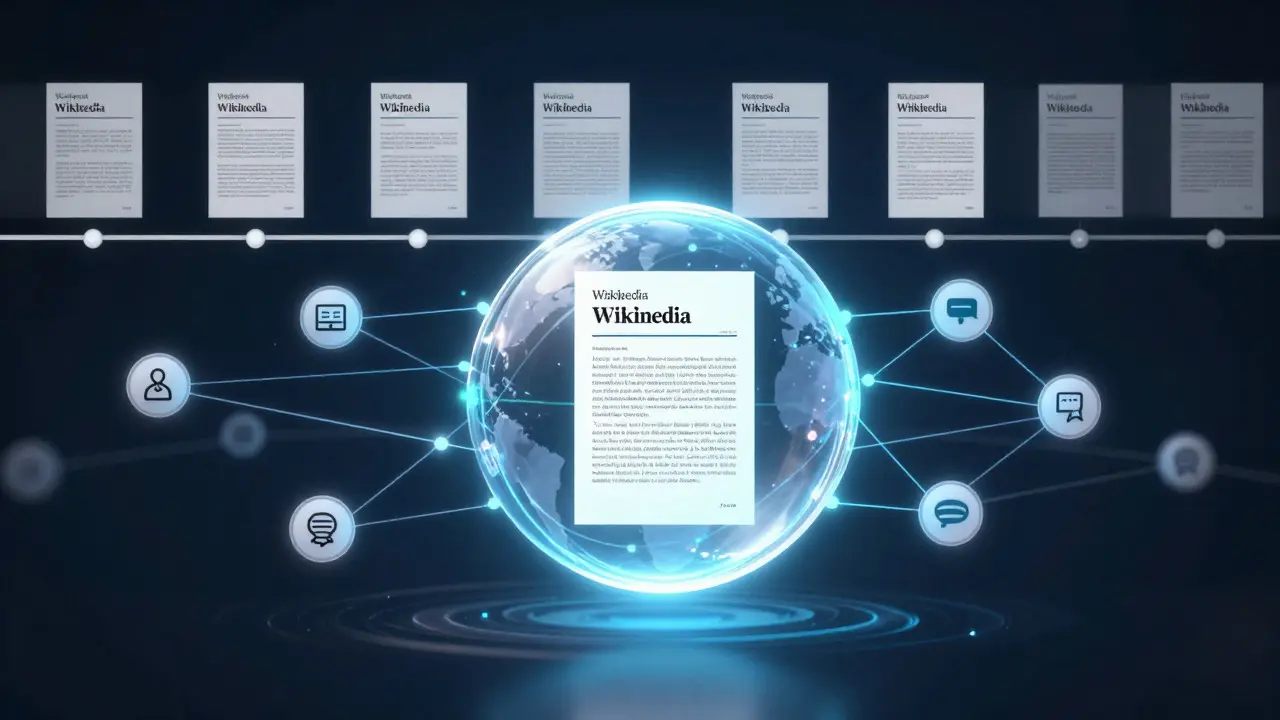
The primary value here lies in transparency. Every edit is logged. Every dispute is documented in talk pages. This visibility forces readers to ask questions that are often skipped in traditional sources: Who wrote this? Why did they change this detail last week? What evidence supports this claim? Answering these questions builds the muscle memory needed for any form of high-level academic work.
Mastering the Reference Check
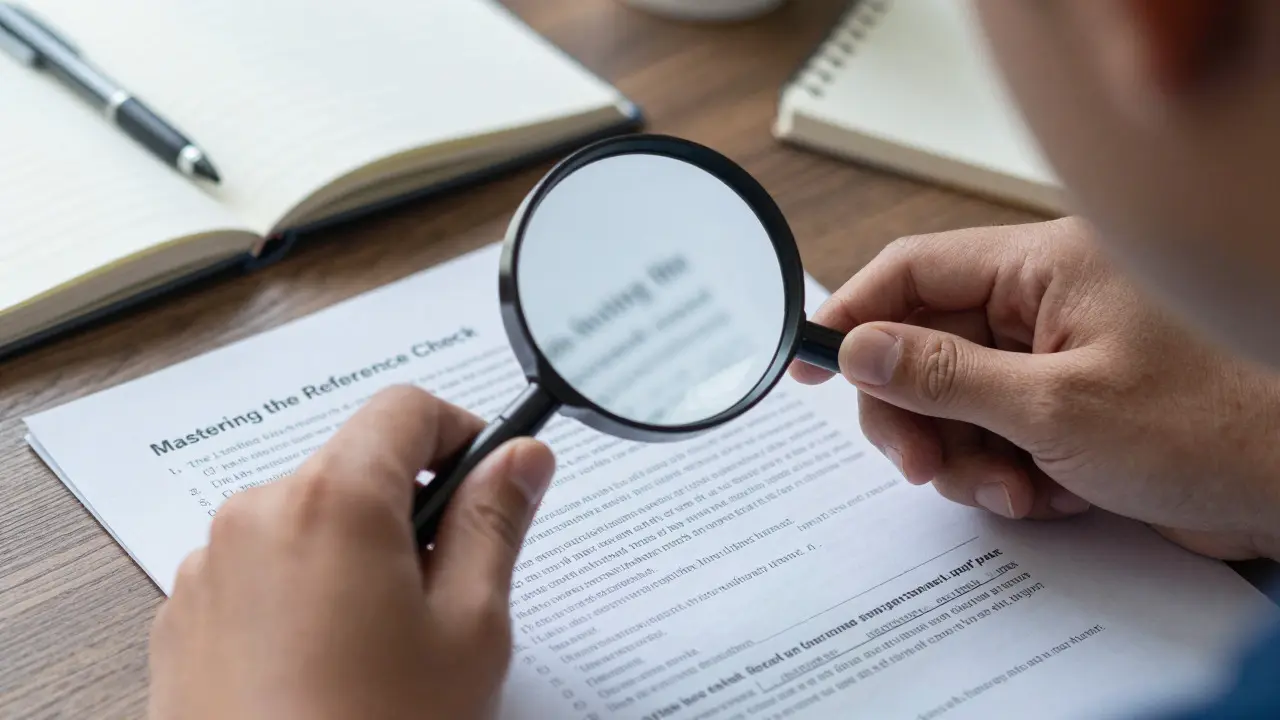
The first step in critical reading on Wikipedia is ignoring the body text temporarily and looking at the references. A well-written article cites reliable secondary sources like academic journals, books, and reputable news outlets. If you see a paragraph claiming a specific statistic but lacking a citation, treat that claim with skepticism. Clicking through to the original source is a crucial skill. It teaches you to verify context. Often, the original study says something more nuanced than the summary provided in the encyclopedia entry.
- Check the date: Does the reference match the timeline of the event described?
- Assess the publisher: Is the source from a university press, a major newspaper, or a personal blog?
- Look for gaps: Are there sections with no citations? These are areas where the content might be under-researched or controversial.
Reading Between the Lines: Talk Pages and Edit History
This is where most readers stop, but it’s where critical thinking really kicks in. Every Wikipedia article has a "Talk" page. This is a public forum where editors discuss what should be included in the article. Reading the talk page reveals disagreements, missing perspectives, and ongoing debates. For example, if two editors argue about the significance of a political figure's speech, the talk page will show the raw arguments before they were smoothed out in the main article.
Additionally, the "History" tab shows every version of the page. You can compare how an article looked five years ago versus today. This longitudinal view helps you understand how public understanding of a topic evolves. Did a new piece of evidence change the narrative? Was a controversial section removed due to lack of sourcing? Tracking these changes teaches you that knowledge is not fixed; it is revised based on new data.
Identifying Bias and Neutral Point of View
Wikipedia aims for a Neutral Point of View (NPOV), but human bias always seeps in. Critical readers look for subtle phrasing that indicates editorial stance. Words like "allegedly," "controversially," or "widely accepted" carry weight. Compare how the same event is described in different language versions of Wikipedia. Sometimes, cultural perspective influences which facts are highlighted. This cross-lingual comparison is a simple yet effective way to spot potential bias.
Also, watch out for "orphaned" claims. These are statements that stand alone without supporting context. In academic writing, we call this cherry-picking. On Wikipedia, it might appear as a single sentence contradicting the general tone of the paragraph. Your job is to identify these inconsistencies and determine if they represent a minority view or an error.
Practical Exercises for Skill Building
You don’t need a classroom to practice these skills. Try these three exercises next time you visit the site:
- The Citation Audit: Pick a random article on a topic you care about. Count the number of references. Then, click on five random links in the reference list. Can you find the exact quote used in the article? If not, note the discrepancy.
- The Timeline Trace: Select a recent news event. Look at the article’s history from the day it was created to today. How did the lead section change? What details were added or removed? This shows you the speed of information correction.
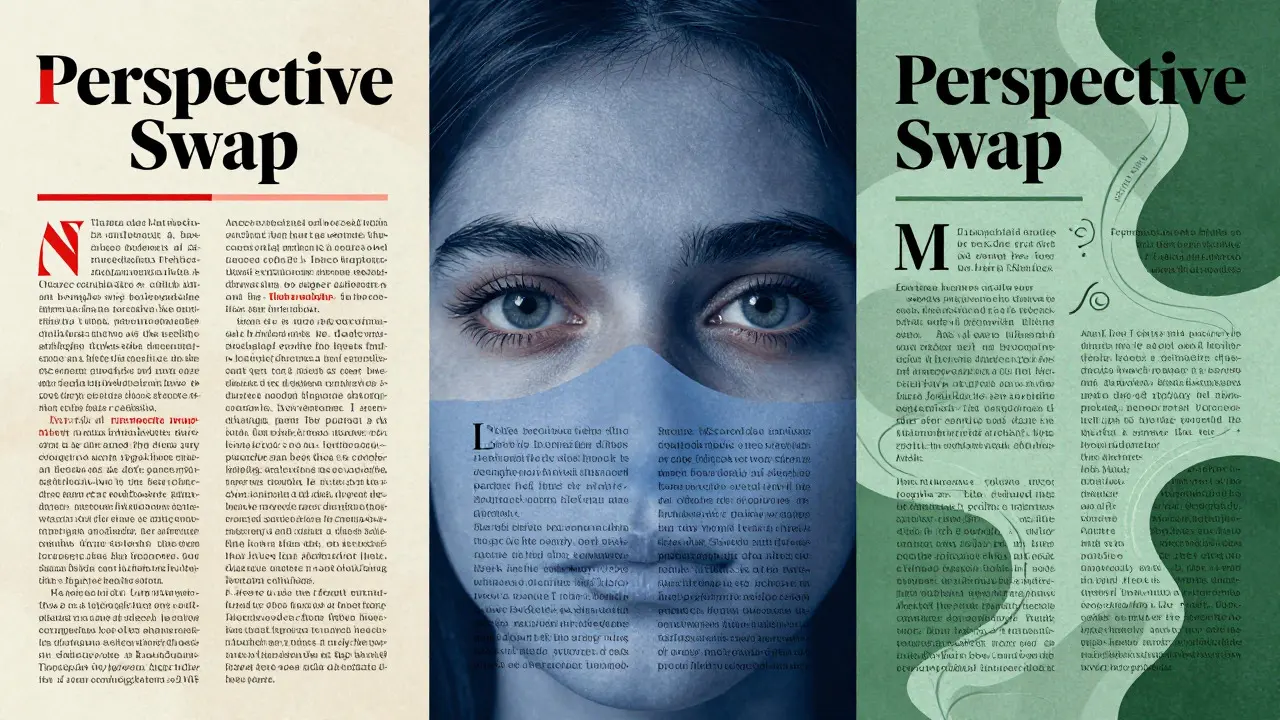
- The Perspective Swap: Read an article about a geopolitical conflict. Now, switch to the version in another major language (e.g., Spanish, French, or German). Note the differences in emphasis and terminology. This highlights how framing affects perception.
| Feature | Traditional Academic Journal | Wikipedia Article |
|---|---|---|
| Accessibility | Often behind paywalls | Free and open access |
| Update Frequency | Annual or bi-annual | Daily or hourly |
| Transparency of Process | Peer review process hidden | Edit history and talk pages visible |
| Bias Detection | Harder to detect due to formal tone | Easier to detect via community discussions |
Common Pitfalls to Avoid
A frequent mistake is treating Wikipedia as the final authority. While it is excellent for getting an overview, it rarely provides the deep, primary-source analysis required for advanced research. Another pitfall is assuming that a long article is better than a short one. Length does not equal quality. A concise, well-cited paragraph is far more valuable than a rambling, unsourced essay. Always prioritize the quality of references over the volume of text.
Finally, avoid confirmation bias. If you already believe a certain narrative, you might subconsciously ignore contradictory evidence in the references. Force yourself to read opposing viewpoints listed in the "Criticism" or "Reception" sections. This habit ensures your critical reading remains objective and robust.
Integrating These Skills into Academic Work
Once you have honed your ability to dissect Wikipedia articles, apply those same lenses to other sources. When reading a textbook, ask: What is the author’s bias? When reading a news article, check: Where is the primary source? The skills transfer directly. You become a reader who doesn’t just absorb information but interrogates it. This level of engagement is what separates passive consumers of information from active thinkers and researchers.
Is Wikipedia a reliable source for academic papers?
Generally, no. Most universities prefer primary sources or peer-reviewed journals. However, Wikipedia is excellent for finding leads to those primary sources. Use it as a map to get to the territory, not as the territory itself.
How do I check if a Wikipedia editor is credible?
You usually can't judge individual editors easily because anonymity is common. Instead, focus on the consensus. If multiple independent editors agree on a fact and cite solid sources, the reliability increases. Check the talk page for disputes; if a section is heavily contested, treat it with caution.
What is the best way to start practicing critical reading on Wikipedia?
Start with topics you already know well. Compare the Wikipedia version to what you already know. Look for discrepancies. Then, pick a topic you know nothing about and strictly follow the references to build your own understanding. This contrast sharpens your analytical skills quickly.
Does reading Wikipedia improve general media literacy?
Yes. The habits formed by checking citations, looking for bias, and verifying claims on Wikipedia translate directly to evaluating news articles, social media posts, and advertising. It trains your brain to ask "where is the proof?" automatically.
Should I use the mobile app or desktop site for this practice?
Use the desktop site. The mobile app often hides advanced features like the full edit history and detailed talk page threads. For serious critical reading, you need the full interface to access all metadata and discussion logs.