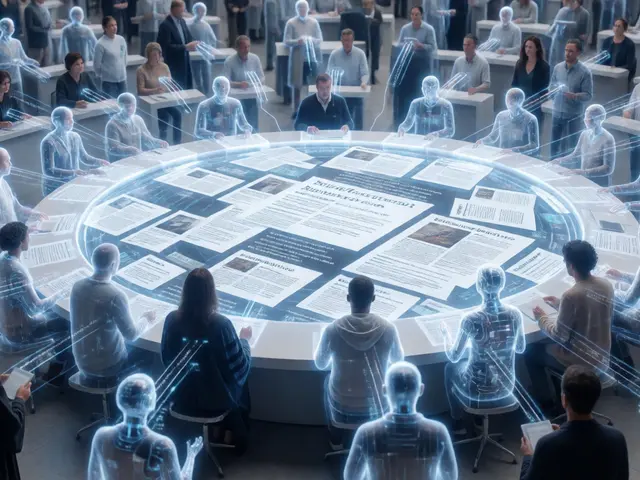
When the Wikimedia Foundation is a non-profit organization that funds and supports the operations of Wikipedia and its sister projects cuts a line in its annual budget, it rarely feels like a simple accounting adjustment. For millions of editors and developers, those cuts often mean slower page loads, broken integrations, or the quiet death of a tool they relied on daily. The connection between the Foundation’s financial health and the actual software experience on Wikipedia is direct, immediate, and often misunderstood by both casual users and dedicated contributors.
You might think that because Wikipedia is "free," the tools behind it are magically maintained. But every API endpoint, every visual editor component, and every data export pipeline requires human hours and server space. When the budget tightens, the first things to go are usually the long-tail maintenance tasks: fixing minor bugs in obscure gadgets, updating deprecated libraries, or supporting small community-run scripts. This creates a phenomenon known as technical debt accumulation, where the cost of maintaining the system grows exponentially until a major overhaul becomes necessary just to keep things running at baseline speed.
The Direct Link Between Funding and Developer Capacity
The most tangible impact of budget decisions is on the size and stability of the engineering teams. The Wikimedia Foundation employs full-time engineers who work on core infrastructure, but a significant portion of the tool ecosystem relies on part-time grants, fellowships, and volunteer contributions supported by the Foundation. When the budget for Engineering Grants is financial support provided to individual developers or small teams to build and maintain specific Wikipedia tools decreases, you see an immediate drop in feature development for niche but critical tools.
Consider the case of the VisualEditor is a WYSIWYG editing interface designed to make Wikipedia easier to edit for new users. Its development required sustained funding over several years. When funding priorities shifted toward mobile optimization and machine learning initiatives, VisualEditor updates slowed down. This didn’t break the tool overnight, but it meant that compatibility issues with newer browser standards went unfixed for longer periods. The result? New editors encountered more friction, leading to higher bounce rates among first-time contributors. The budget decision wasn't about whether VisualEditor existed; it was about how responsive it remained to the evolving web landscape.
Infrastructure Costs and Server Stability
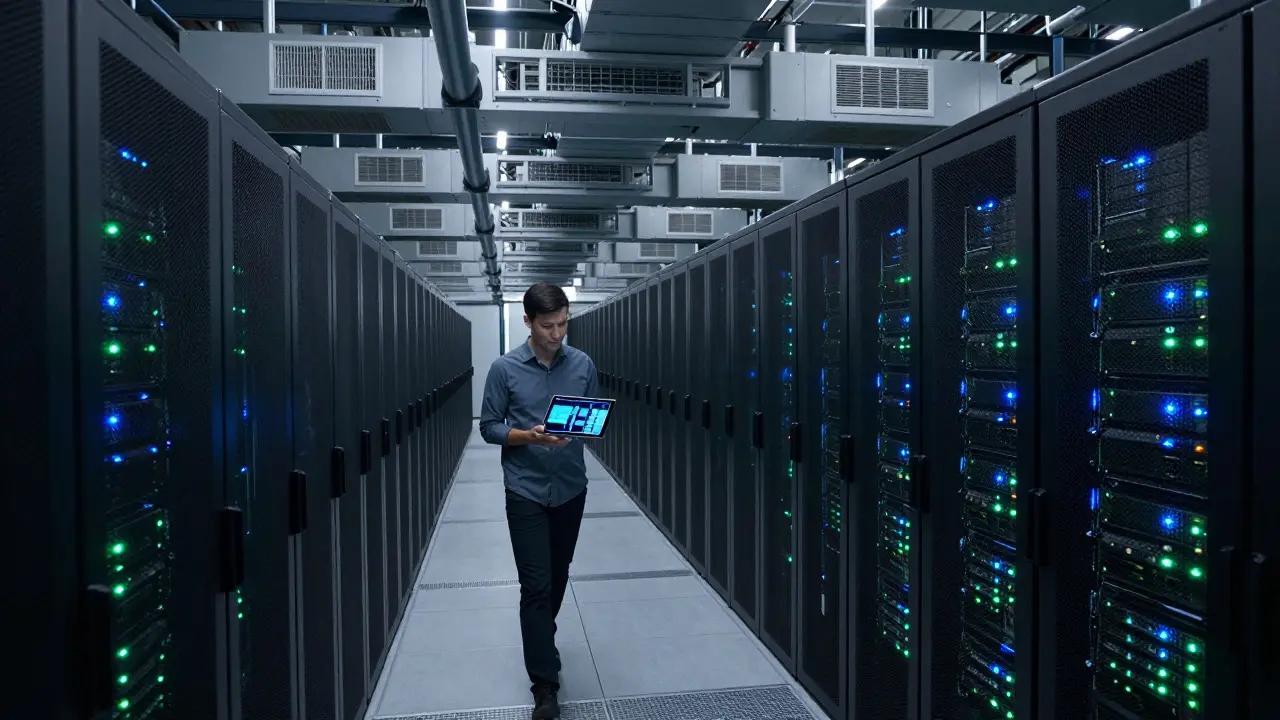
Beyond code, there is the physical reality of hosting. Wikipedia runs on a massive cluster of servers located primarily in the United States, managed by the Foundation. These servers handle billions of requests per month. The cost of electricity, hardware refreshes, and network bandwidth is substantial and non-negotiable. However, the budget allocation for Data Center Operations is the ongoing expense associated with maintaining the physical servers and networking equipment that host Wikipedia often competes with programmatic goals.
In recent fiscal cycles, the Foundation has faced pressure to increase spending on outreach and community engagement. Sometimes, this means capital expenditures for new server hardware are delayed. While modern servers are efficient, delaying upgrades can lead to higher energy costs per terabyte of data served. More importantly, it limits the ability to implement new caching strategies or database optimizations that could reduce load times. For power users relying on complex queries via the MediaWiki API, even a 50-millisecond increase in latency can disrupt automated workflows. The budget doesn't just buy electricity; it buys the architectural freedom to optimize performance.
The Ecosystem of Third-Party Tools
Wikipedia isn't just the main site. It's a hub for hundreds of third-party tools hosted on platforms like Wikimedia Toolforge is a free cloud computing platform provided by the Wikimedia Foundation for volunteers to run their own tools and services. Many of these tools are vital for advanced editing, such as bots that clean up spam, databases that track citation errors, or visualization dashboards for language statistics.
Toolforge operates on a model where basic resources are free, but heavy usage incurs costs covered by the Foundation’s general fund. When the budget for infrastructure support shrinks, the threshold for "heavy usage" may be lowered, or pricing models for commercial entities using the platform may change. This forces some independent developers to migrate to paid cloud providers like AWS or Azure. While these providers are robust, they lack the seamless integration with MediaWiki APIs that Toolforge offers. The migration adds complexity and cost for volunteers, potentially driving them away from the ecosystem entirely. The loss of these tools isn't always visible to the average reader, but it degrades the quality control mechanisms that keep Wikipedia accurate.
| Budget Area | Primary Function | Impact of Cuts | User Visibility |
|---|---|---|---|
| Core Engineering | Maintaining MediaWiki and PHP stack | Slower bug fixes, security patches delayed | Medium (occasional glitches) |
| Toolforge Hosting | Running volunteer-built bots and apps | Reduced compute resources, forced migrations | Low (backend accuracy drops) |
| API Development | Supporting external applications | Deprecated endpoints removed faster | High for developers, Low for readers |
| Data Center Ops | Server hardware and bandwidth | Increased latency, fewer optimization projects | Medium (slower page loads) |
Long-Term Consequences of Underinvestment
The danger of chronic underfunding isn't necessarily a sudden crash. It's a slow erosion of trust and capability. When the MediaWiki is the free and open-source wiki engine software used by Wikipedia and other wikis codebase ages without regular refactoring, it becomes harder to hire new developers. Why join a project where the legacy code is tangled and documentation is sparse due to lack of funding for technical writing? This creates a talent drain. Experienced engineers leave for startups or big tech companies with better budgets and cleaner codebases, leaving behind a smaller pool of maintainers.
This cycle affects innovation. If the team is too busy putting out fires caused by outdated dependencies, there's no time to experiment with new technologies like semantic web standards or AI-assisted editing features. The budget determines not just what we have today, but what we are capable of building tomorrow. A well-funded foundation can afford to take calculated risks on experimental features; a strained one cannot.
What You Can Do as a User or Editor
If you rely on Wikipedia tools, your voice matters in the budget process. The Wikimedia Foundation is transparent about its finances, publishing detailed reports annually. Reading the Annual Report gives you insight into where money is going. You can participate in the Community Wishlist Survey is an annual event where Wikipedia editors vote on which new features or improvements they want funded to directly influence which tools receive priority funding. Each vote counts toward the allocation of the next year's engineering budget.
Additionally, supporting local chapters of the Wikimedia movement can help distribute the financial burden. Local chapters often raise funds for specific regional needs, such as translating interfaces or supporting local language editions, which reduces the pressure on the central Foundation’s budget for global infrastructure.
Frequently Asked Questions
Does the Wikimedia Foundation budget affect the price of ads on Wikipedia?
No, Wikipedia does not sell traditional display advertising. The budget affects operational costs, not ad revenue, because there is none. However, if the budget were to shift toward sponsored content models in the future, that would be a separate policy decision, not a direct consequence of current infrastructure funding.
Why do some Wikipedia pages load slowly while others are fast?
Speed varies based on server location, cache status, and the complexity of the page's templates. Budget constraints can delay the implementation of new caching layers or database indexing strategies that would uniformly speed up all pages. Complex pages with many transclusions are particularly sensitive to backend performance degradation.
Can I donate specifically to fix a broken tool?
Generally, donations to the Wikimedia Foundation are unrestricted, meaning they go into the general fund. However, you can sometimes designate gifts to specific campaigns or local chapters that focus on particular technical projects. Checking the donation page for designated fund options is the best way to target your contribution.
What happens if the Foundation goes bankrupt?
While unlikely given its large endowment and consistent donation income, bankruptcy would likely lead to a consolidation of operations. Smaller sister projects might merge or shut down, and infrastructure costs would need to be absorbed by a smaller core group. The risk is a reduction in scale and diversity rather than an immediate shutdown of English Wikipedia.
How does inflation affect the Wikimedia budget?
Inflation increases the cost of salaries, hardware, and energy. Since the Foundation's revenue is largely in US dollars, rising costs in other regions or for imported goods can squeeze the budget. This often leads to freezes in hiring or delays in capital projects unless revenue growth outpaces inflation.