Imagine you are scrolling through Wikipedia is a free, web-based collaborative project that aims to compile all human knowledge into an encyclopedia. You click on a breaking story about a high-profile political resignation. The text reads: "The President resigned due to scandal." Five minutes later, it says: "The President stepped down amid ongoing investigations." Who decides which version stays? This is the core of editorial disputes is conflicts among contributors regarding the content, tone, or sourcing of articles. When major news breaks, the pressure to be first often clashes with the need for accuracy, leading to intense debates in the talk sections.
The Anatomy of a Post-News Edit War
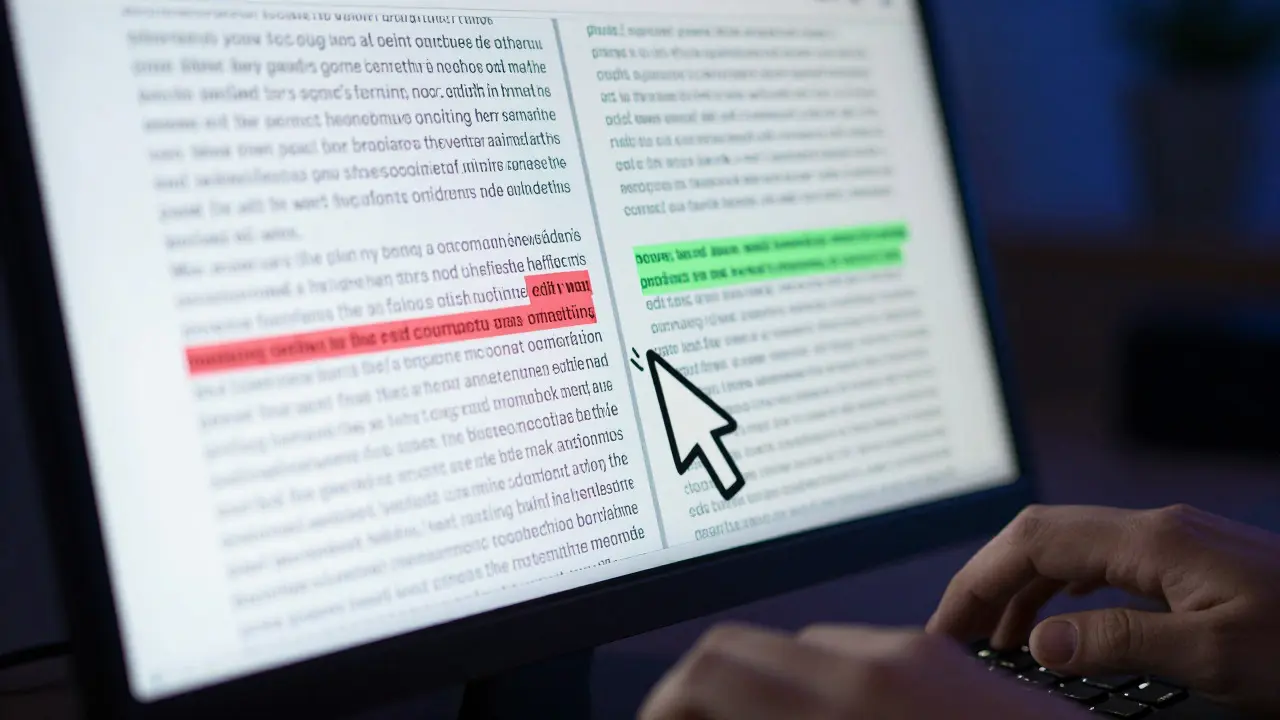
When a significant event occurs, such as a natural disaster, a celebrity scandal, or a geopolitical shift, Wikipedia pages become battlegrounds. The primary friction usually stems from two conflicting goals: speed and stability. One group of editors wants to update the page immediately to reflect the latest headlines. Another group insists on waiting for verified details to prevent misinformation. This tension creates what veterans call "edit wars," where users repeatedly revert each other's changes.
The mechanism behind these conflicts is often simple but effective. A user sees a news ticker update and edits the lead paragraph. Another user, citing the Neutral Point of View is a key goal of Wikipedia that encourages articles to fairly represent all significant viewpoints without bias, reverts the change because they feel the new wording is too sensational. The cycle repeats. Without intervention, this can lock the article in a state of flux for days. Understanding this dynamic helps readers understand why some articles look unstable during breaking events.
The Role of Reliable Sources in Resolving Conflicts
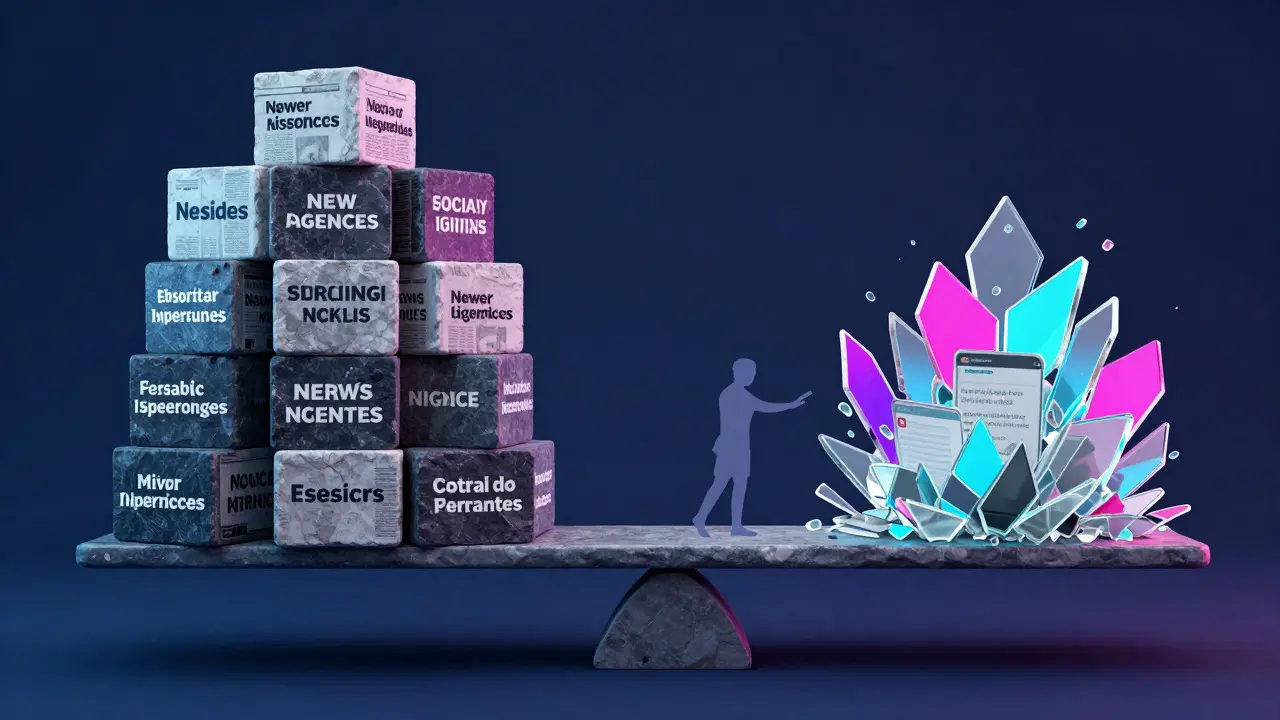
The ultimate arbiter in most Wikipedia disputes is not popularity, but source quality. The community relies heavily on the concept of Reliable Sources is publications or media outlets with a history of fact-checking and editorial oversight. If one editor cites a local blog and another cites a major international newspaper like the New York Times or BBC, the latter almost always wins. However, defining "reliable" can get tricky when news is still developing.
Consider a scenario involving a corporate merger announcement. One editor uses a press release from the company itself. Another uses a report from a financial journal. While both are sources, the community generally prefers independent third-party reporting over self-promotional material. This preference for independence is a cornerstone of Wikipedia’s methodology. It ensures that the encyclopedia reflects a consensus of established facts rather than the narrative of a single interested party. When disputes arise, moderators often ask: "Where is the secondary source?" If the answer is only primary sources, the edit is likely to be challenged.
| Source Type | Example | Acceptance Level | Risk Factor |
|---|---|---|---|
| Major International News Agency | Reuters, AP | High | Low (Fact-based) |
| National Newspaper | Washington Post, Guardian | Medium-High | Medium (Editorial slant possible) |
| Corporate Press Release | Company PR Dept | Low-Medium | High (Self-serving) |
| Social Media Posts | Tweet by official | Very Low | Very High (Unverified) |
Moderation Mechanisms: Talk Pages and Arbitration
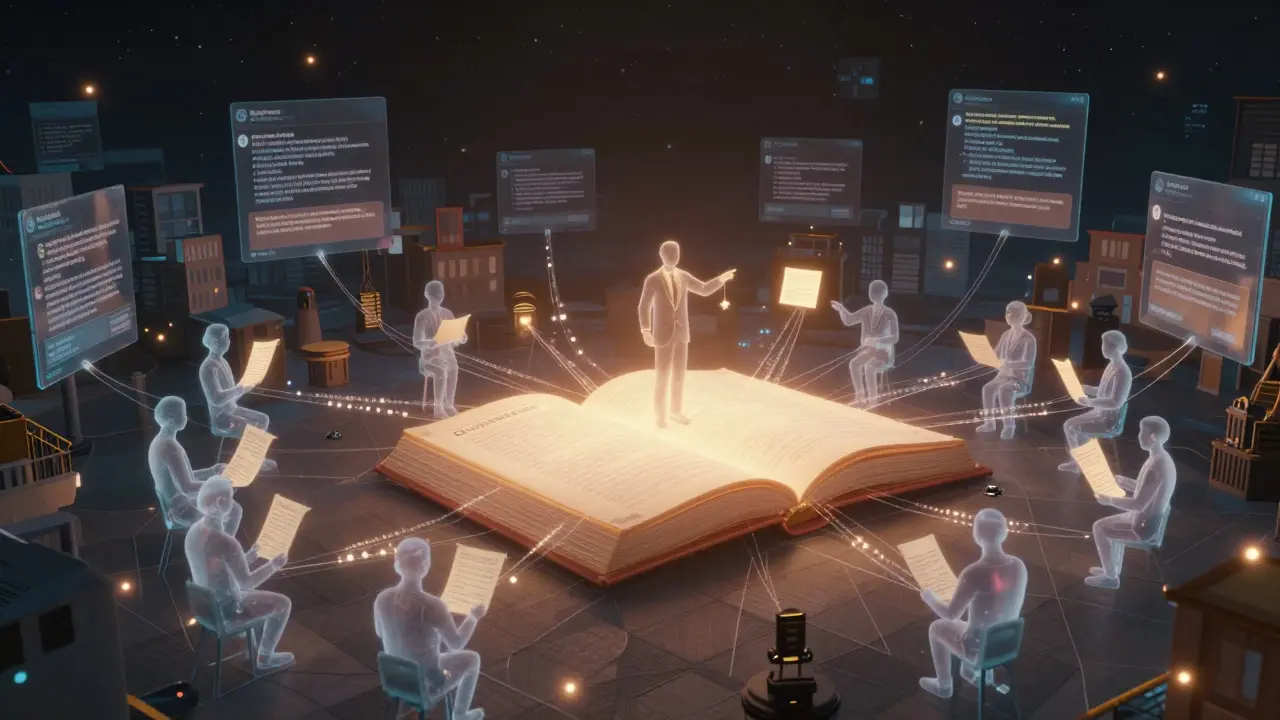
If back-and-forth editing continues, the dispute moves to the Talk Page is the discussion area associated with a specific Wikipedia article where editors debate content. Here, the tone shifts from rapid editing to structured argumentation. Users post citations, link to past precedents, and appeal to community norms. This is where the real work of consensus-building happens. It is rarely fast, but it is thorough.
For more complex cases, especially those involving controversial figures or sensitive topics, editors may escalate the issue to formal mediation processes. The Arbitration Committee is the highest level of dispute resolution on English Wikipedia, handling persistent conflicts between editors serves as the final court of appeal. They do not typically decide who is "right" on the facts, but rather enforce behavioral rules. For example, if an editor keeps adding unsourced claims despite warnings, the ArbCom might impose an edit ban. This process can take weeks, meaning the article remains in a provisional state until a decision is reached.
Impact on Reader Trust and Accuracy
Does all this drama hurt the reliability of Wikipedia? Not necessarily. In fact, the visibility of these disputes can be a feature, not a bug. Readers can check the talk page to see how a conclusion was reached. This transparency builds trust. If a major claim is made, there is usually a trail of evidence and debate supporting it. Conversely, if a claim appears without citation, savvy readers know to treat it with skepticism.
However, there is a risk of "recency bias." During the first 48 hours after a major announcement, articles are often volatile. Headlines change, witnesses contradict themselves, and initial reports contain errors. Wikipedia editors try to mitigate this by using cautious language, such as "reportedly" or "according to early reports." Once the dust settles, the article stabilizes. The historical record shows that while short-term volatility is common, long-term accuracy improves as more reliable sources emerge and the community polices the content.
Best Practices for Navigating Volatile Articles
If you are reading Wikipedia during a breaking news event, keep a few things in mind. First, check the revision history. Clicking on "History" shows you exactly what changed and who changed it. Second, look at the citations. Are they from reputable outlets? Third, read the talk page if you want to understand the controversy. These steps allow you to separate established facts from emerging narratives.
For contributors, the golden rule is patience. Wait for at least two independent, reliable sources before making significant changes. Avoid emotional language. Stick to the facts as reported by major media. And remember, the goal is not to win an argument, but to build a stable, verifiable reference. The system works best when everyone plays by the same rules, even when opinions differ sharply.
Why does Wikipedia change so quickly after big news?
Editors strive to keep information current. As new details emerge from news agencies, updates are made rapidly. This leads to frequent revisions until the story stabilizes and consensus is reached on the accurate phrasing.
Who decides which version of the story is correct?
There is no single dictator. Decisions are made through consensus among editors, guided by the availability of reliable, independent sources. If editors cannot agree, neutral mediators or the Arbitration Committee may step in to enforce procedural rules.
Are social media posts considered valid sources on Wikipedia?
Generally, no. Social media is considered a primary source and is rarely used to support general factual claims. It is only acceptable in very specific contexts, such as documenting the exact words of a public figure, provided it is corroborated by traditional media.
What is an 'edit war'?
An edit war occurs when two or more editors repeatedly undo each other's changes to an article without reaching a compromise. This disrupts the stability of the page and often triggers automated tools or administrator intervention to freeze the section.
How long does it take for a disputed article to stabilize?
It varies. Minor disputes may resolve within hours via the talk page. Major controversies involving prominent figures can take weeks or even months to reach a stable, consensus-driven state, especially if formal arbitration is required.