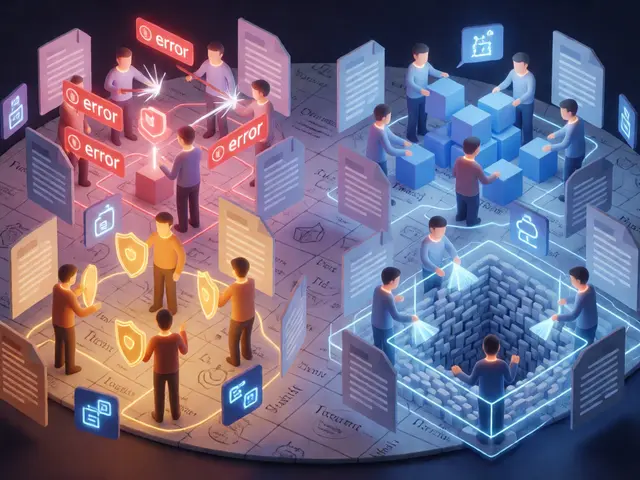
Imagine you’re reading about a border dispute that’s been simmering for decades. One side calls it “liberation,” the other calls it “annexation.” Now imagine trying to write an encyclopedia entry that satisfies both sides without losing your mind or your credibility. That’s the daily reality for editors working on Wikipedia is a free online encyclopedia that relies on volunteer editors to maintain neutral point of view (NPOV) through consensus and citation of reliable sources. When geopolitics enters the mix, the stakes feel higher because readers often use these pages as their first source of truth during breaking events.
The Core Challenge: Defining Neutrality in Polarized Topics
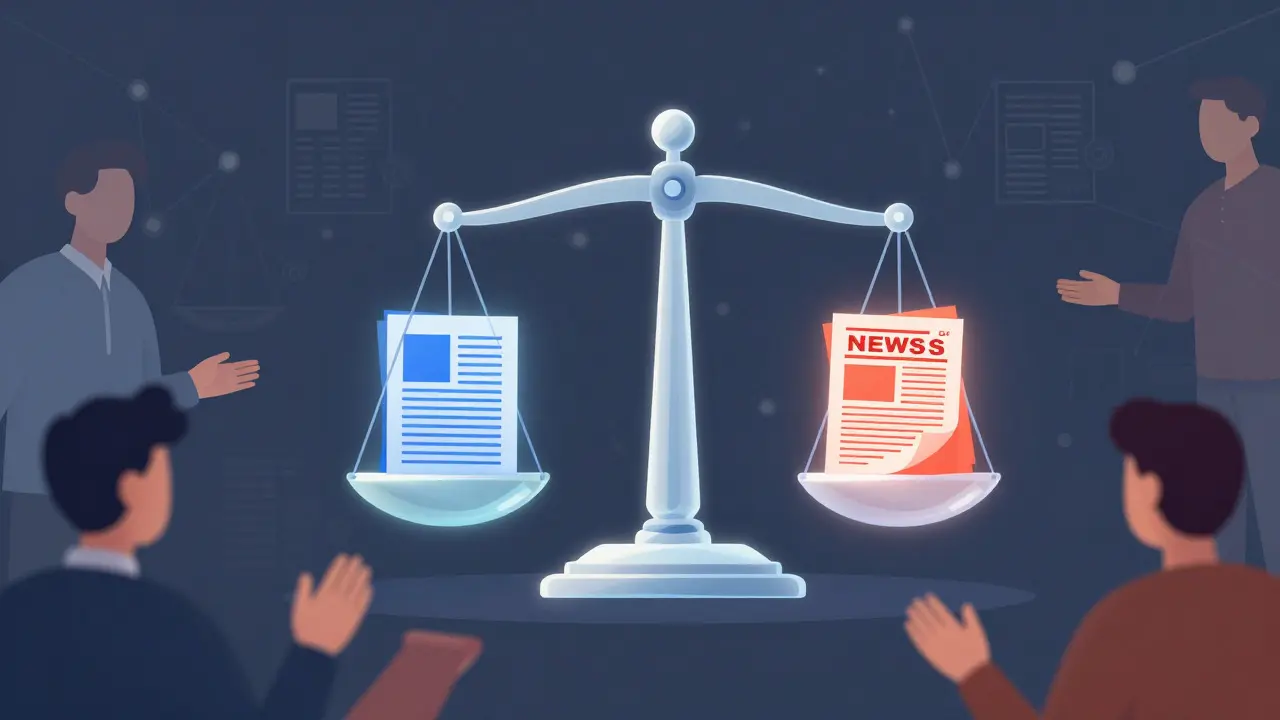
Neutrality on Wikipedia doesn’t mean balance at all costs. It means reflecting what reliable sources say, not what editors feel. This distinction matters more than most people realize. In geopolitical contexts, “balance” can actually introduce bias if one side has significantly more academic coverage than the other. For example, if ten peer-reviewed journals analyze a conflict from a legal perspective but only two popular blogs offer a counter-narrative, NPOV dictates leaning toward the scholarly consensus, even if it feels lopsided to some readers.
This approach creates friction. Editors who strongly identify with one political faction often accuse the project of being “biased” simply because the citations don’t match their preferred narrative. The solution isn’t to add equal weight to every opinion; it’s to verify that the sources meet Wikipedia’s standards for reliability. A think tank report from a recognized institution carries more weight than an anonymous blog post, regardless of which side it supports.
The Role of Reliable Sources in Conflict Reporting
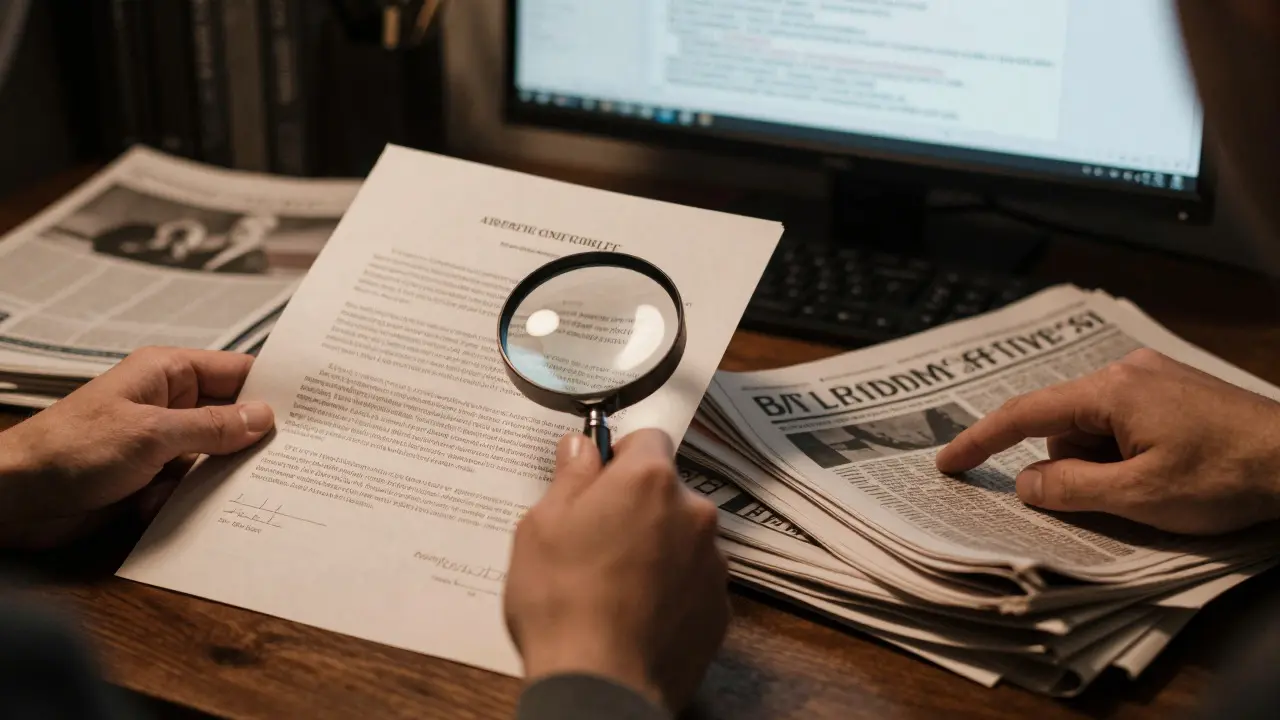
Reliable sourcing is the backbone of neutral coverage. But what counts as “reliable” varies by topic. For historical conflicts, primary documents like treaties or UN resolutions are gold. For ongoing crises, wire services like Reuters or AP News are standard, though they aren’t immune to their own biases. Editors must constantly ask: Is this source independent? Has it been fact-checked? Does it represent a mainstream view or a fringe one?
A common pitfall is relying on secondary sources that themselves have a clear agenda. If a news outlet is known for pro-government commentary in a specific region, citing them without context can skew the article. The fix is simple but tedious: cross-reference. If three independent outlets report the same event differently, the article should reflect that discrepancy rather than picking one version. Transparency about conflicting reports is often more neutral than pretending there’s a single agreed-upon fact.
Consensus Editing: How Disagreements Get Resolved
When editors clash over how to phrase a sentence about a military strike, they don’t usually call a vote. Instead, they engage in consensus building. This process involves discussion on the talk page, where editors propose changes, cite sources, and negotiate wording. The goal isn’t unanimity-it’s finding a phrasing that no reasonable editor can object to based on the cited evidence.
Think of it like drafting a contract. You might prefer Clause A, and I might prefer Clause B. But if we agree that both clauses accurately reflect the signed treaty, we compromise on a hybrid phrasing that captures the essence of both. This method prevents edit wars, where two users keep reverting each other’s changes. While edit wars still happen, the community generally resolves them by appealing to established guidelines rather than personal preference.
Common Pitfalls in Covering Active Conflicts
Covering active conflicts is harder than covering history because facts change hourly. Early reporting is often speculative. An initial claim that “the capital has fallen” might be retracted within days. Editors face pressure to update articles quickly, which can lead to premature conclusions. The best practice is to label uncertain information clearly. Phrases like “according to early reports” or “unconfirmed” help protect the article’s integrity while allowing rapid updates.
Another trap is recency bias. Because recent events dominate headlines, older context can get buried. A conflict that started in 2015 might be framed entirely around last week’s skirmish, ignoring the underlying economic or ethnic tensions that sparked it. Maintaining a long-term view requires constant vigilance against letting the latest tweet dictate the article’s structure.
Strategies for Maintaining Objectivity
Experienced editors use several practical strategies to stay neutral:
- Prioritize primary sources: Whenever possible, link directly to official statements, court rulings, or raw data sets rather than interpretations.
- Use precise language: Avoid emotionally charged words like “brutal” or “heroic” unless a reliable source explicitly uses them in quotes.
- Check for systemic bias: Regularly review the article’s references. If 90% of sources come from one country or political sphere, seek out international perspectives.
- Invite criticism: Actively welcome feedback from editors with different viewpoints, especially those from the regions involved in the conflict.
These tactics turn neutrality from an abstract ideal into a manageable workflow. It’s less about having no opinion and more about disciplining yourself to let the sources speak.
Comparison of Sourcing Approaches
| Sourcing Strategy | Pros | Cons | Best Used For |
|---|---|---|---|
| Wire Services Only | Fast, consistent style | Limited depth, potential regional bias | Breaking news updates |
| Academic Journals | Deep analysis, high credibility | Slow publication cycle, jargon-heavy | Historical context, root causes |
| Primary Documents | Unfiltered facts, authoritative | Hard to interpret, incomplete picture | Legal disputes, official positions |
| Mixed International Media | Balanced perspectives | Time-consuming to verify | Ongoing complex conflicts |
Why Readers Trust Wikipedia Despite Its Flaws
Despite frequent complaints about bias, Wikipedia remains the go-to resource for many people during geopolitical crises. Why? Because it’s transparent. Every claim has a citation. Every edit is logged. If you disagree with a statement, you can see exactly why it was made and who proposed it. This openness builds trust in a way that traditional media rarely achieves. Traditional outlets hide their editorial decisions behind the masthead; Wikipedia puts them on display for anyone to scrutinize.
Moreover, the sheer volume of editors acts as a self-correcting mechanism. If one editor introduces a biased paragraph, another will likely catch it within hours. This collective intelligence model isn’t perfect, but it’s remarkably effective at filtering out obvious errors and extreme partisanship over time.
Frequently Asked Questions
Is Wikipedia truly neutral on controversial topics?
Wikipedia aims for neutrality by reflecting the consensus of reliable sources rather than individual opinions. While perfect neutrality is impossible, the system of citations and consensus editing helps minimize personal bias. Readers should always check the references to see which sources support specific claims.
What happens when editors disagree on a geopolitical fact?
Disagreements are resolved through discussion on the article's talk page. Editors cite sources to support their positions. If a consensus can't be reached, the article may present multiple viewpoints with appropriate weighting based on source reliability. Persistent conflicts can escalate to formal mediation by experienced community members.
How does Wikipedia handle breaking news during conflicts?
Editors rely on major wire services like AP or Reuters for immediate updates. They use cautious language such as "reportedly" or "according to officials" until facts are confirmed. As more reliable sources emerge, the article is updated to reflect verified information, removing speculation.
Can ordinary people influence Wikipedia's coverage of conflicts?
Yes, any user can edit an article. However, significant changes require proper citations from reliable sources. Edits without sources are often reverted. Joining relevant WikiProjects, such as those focused on international relations, can provide guidance on best practices and connect you with experienced editors.
What is the difference between balance and neutrality on Wikipedia?
Balance implies giving equal weight to all viewpoints, which can be misleading if one viewpoint lacks substantial support in reliable literature. Neutrality means representing the weight of published scholarship and credible reporting. If scientific consensus supports one side, the article reflects that consensus, noting dissenting views only if they are also well-documented.