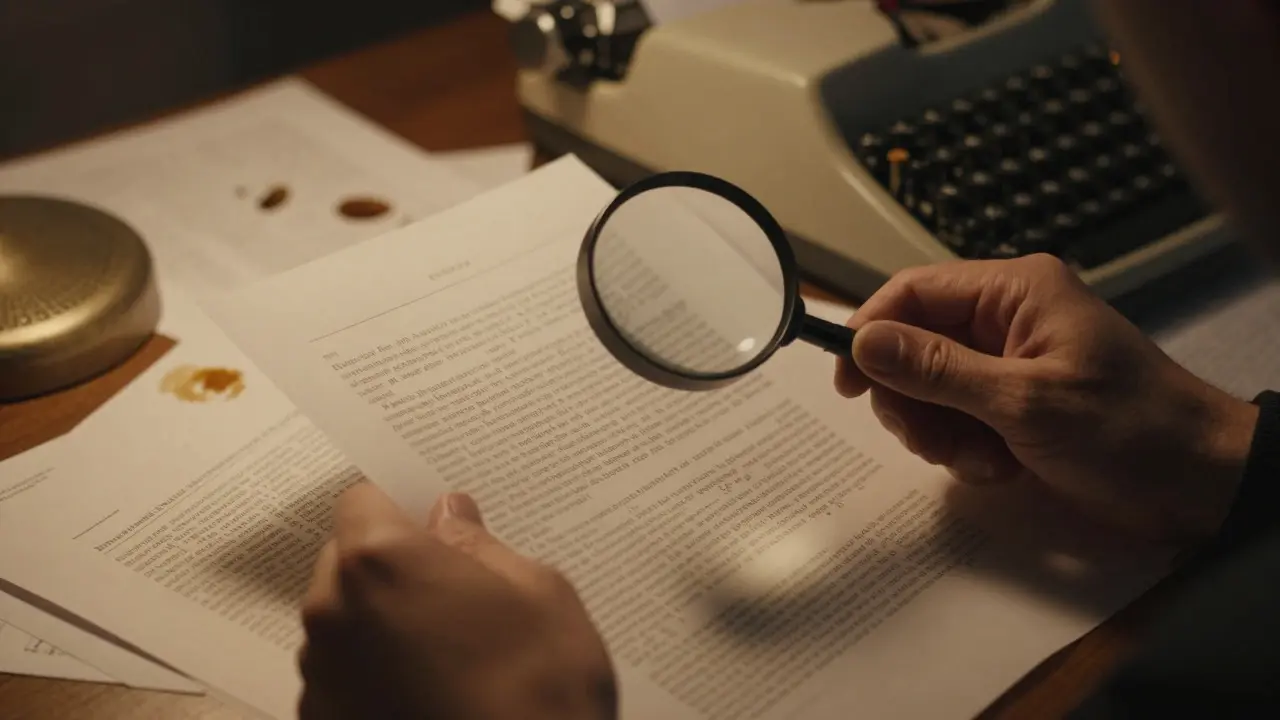
Imagine scrolling through a seemingly dry entry on municipal zoning laws or a minor corporate merger. You spot a citation that doesn’t quite add up. A date is off by a year. A quote lacks a primary source. Most people would shrug and move on. But for seasoned investigative journalists, that tiny discrepancy is often the thread that unravels a massive story. This isn't just about finding errors; it's about using Wikipedia as a high-level map to identify gaps in the public record.
Many newsrooms still treat the encyclopedia as a last resort, a place to go only after checking trade publications or government databases. Yet, some of the most impactful reporting in recent years started with a simple "what if" prompted by an edit history or a missing reference. The key isn't relying on the text itself, but using the structure, citations, and community discussions to find what is *missing* from the official narrative.
The Anatomy of a Strong Lead
A good lead isn't always a smoking gun. Sometimes, it's a pattern. When you look at how editors build articles, you're looking at a collaborative effort to document reality. If a major event happened but the article lacks depth, why? Was it too new? Too controversial? Or was information suppressed?
- Citation Gaps: An article claims a company had zero layoffs in 2024, but cites only its own press release. No independent HR data is linked. That’s a red flag.
- Edit Wars: Check the talk page. If two groups are arguing over whether a politician visited a specific factory, one side might be hiding a lack of photographic evidence.
- Stub Status: A significant local business is listed as a "stub" (a very short article) despite having millions in revenue. Who is failing to document this entity?
These aren't mistakes; they are clues. They point to where the documentation trail breaks down, which is exactly where investigative work begins.
Case Study: The Ghost Ship Logistics Scandal
In late 2023, a team of reporters was tracking supply chain disruptions in Southeast Asia. While reviewing the Wikipedia page for a mid-tier logistics firm, they noticed the company’s headquarters location had been changed three times in six months. Each change reverted to a different address, all in free-trade zones with minimal regulatory oversight.
The article cited only industry newsletters. No local news outlet had reported on these moves. The reporters didn't assume fraud immediately. Instead, they used the addresses listed in the edit history to cross-reference with port authority logs. They found that while the company claimed to operate out of Singapore, 80% of their container traffic actually transited through a smaller, less-regulated hub in Vietnam. This discrepancy allowed them to uncover a scheme where customs duties were being under-reported. The story broke with exclusive access to shipping manifests that no other outlet had requested because they never looked at the address inconsistencies first.
Case Study: The Medical Trial Discrepancy
Another powerful example involves pharmaceutical transparency. A journalist researching a new diabetes drug found the Wikipedia entry listed a Phase 3 trial as "completed successfully." However, the citation link pointed to a retracted paper. More importantly, the "Talk" page revealed a heated debate between a former employee and a PR consultant about the inclusion of adverse effect data.
The reporter realized the main article was sanitized. By digging into the user contributions of the "former employee," they found a private blog post detailing internal emails. These emails confirmed that certain side effects had been minimized in the final report. The Wikipedia discussion served as a roadmap to the whistleblower, who had tried to update the page but was repeatedly reverted by paid editors. The resulting investigation led to a regulatory review of the drug’s labeling.
Tools and Techniques for Verification
You don't need to be a coder to use these methods effectively. However, knowing a few basic tools makes the process faster.
- Use the History Tab: Never read just the current version. Look at who edited the page and when. Sudden edits after a press release are suspicious.
- Check References Quality: Are sources peer-reviewed journals, government documents, or just press releases? A mix of weak sources suggests a lack of independent scrutiny.
- Mine the Talk Page: This is the comment section of the article. It’s unfiltered. Look for disagreements, requests for citations, and accusations of bias.
- Cross-Reference with Wikidata: This is the structured database behind Wikipedia. It allows you to see relationships between entities (e.g., Company A owns Company B). If the relationship isn't clear in the text, check the data model.
Common Pitfalls to Avoid
While Wikipedia is a powerful tool, it can mislead if used carelessly. Here are the traps that trip up even experienced researchers.
| Pitfall | Why It Happens | Solution |
|---|---|---|
| Trusting the Text | Readers assume neutrality without checking sources. | Always click the citation numbers. Verify the original source. |
| Ignoring Recent Edits | New info is often wrong or biased initially. | Check the edit timestamp. If it's within 48 hours of an event, verify independently. |
| Vandals | Bad actors insert false facts quickly. | Look for "Revert" tags in the history. If a fact was added and removed, investigate why. |
| Selection Bias | Articles cover popular topics well, obscure ones poorly. | Compare coverage of similar entities. Why is one detailed and the other sparse? |
Building a Workflow for Newsrooms
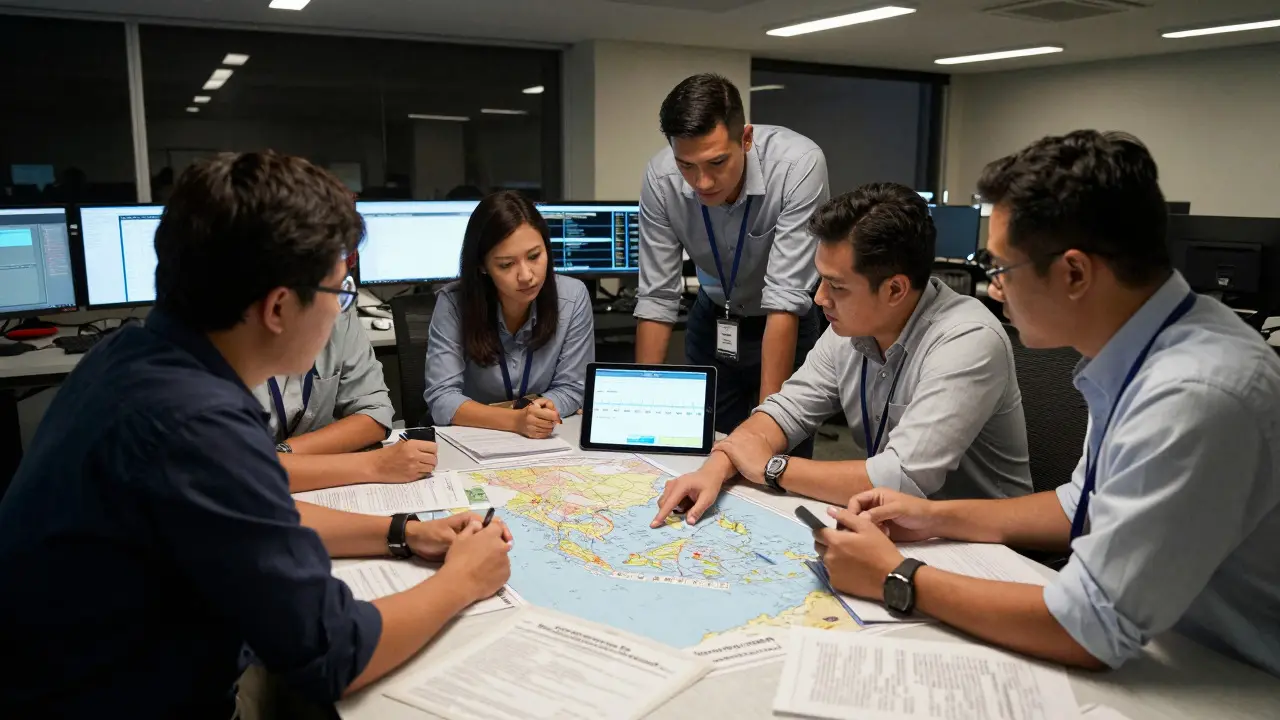
Integrating this approach into a daily routine requires a shift in mindset. It’s not about replacing traditional research; it’s about adding a layer of structural analysis.
Start by creating a "Gap Analysis" template. For any major story, list the key entities involved. Search each on Wikipedia. Note the following attributes:
- Number of references per paragraph.
- Diversity of source types (academic, news, corporate).
- Activity level on the talk page in the last 6 months.
- Presence of "Controversy" or "Disputed" tags.
If an entity has low reference density but high public impact, it’s a prime candidate for deeper digging. This method helps prioritize resources. Instead of chasing every rumor, you focus on areas where the public record is visibly thin or contested.
The Role of Community Discussions
Often, the most valuable information isn't in the article body but in the metadata. The Wikipedia community is self-policing. Editors argue about facts, style, and sourcing. These arguments reveal the boundaries of what is considered "notable" or "verified."
For example, if a tech startup is struggling to get its funding round included in its Wikipedia article, it might mean the funding hasn't been widely reported in reliable secondary sources yet. This signals to a journalist that the story is still developing and that primary sources (like SEC filings or direct interviews) are needed rather than relying on secondary summaries.
Future Implications for Media Literacy
As AI-generated content floods the internet, the ability to trace information back to its roots becomes more critical. Wikipedia, with its strict citation requirements and transparent edit history, remains one of the few platforms where you can see the *process* of knowledge creation.
Journalists who master this skill will have a distinct advantage. They won't just be consumers of news; they'll be auditors of the public record. And in an era of misinformation, that role is more important than ever.
Is Wikipedia a reliable source for journalism?
Wikipedia is generally not a primary source for journalism, but it is an excellent secondary index. Its reliability depends entirely on the quality of its citations. Use it to find the original sources, not to cite it directly in your reporting unless you are writing about the encyclopedia itself.
How do I find the edit history of a specific sentence?
You can use the "History" tab on the top right of the article. To track a specific line, you can use the "Blame" view (if available via extensions) or manually compare versions by clicking on dates in the history log until you isolate when that specific text was added or changed.
What is the difference between Wikipedia and Wikidata?
Wikipedia contains human-readable prose and narratives. Wikidata is a structured database of facts (key-value pairs) that powers the infoboxes on Wikipedia. Wikidata is better for tracing relationships between entities, such as ownership structures or geographical locations, without reading full articles.
Can Wikipedia edits be traced back to specific companies?
Yes, often. Many corporations and PR firms use dedicated accounts or IP ranges to manage their online presence. By checking the user profiles of frequent editors, you can sometimes identify patterns of corporate influence, especially if the account name matches a company domain or if the editing behavior aligns with press release timing.
How often should journalists check Wikipedia for updates?
For breaking news, check daily. For long-form investigations, check weekly. Set up alerts for specific keywords or entities using third-party monitoring tools that track changes to specific pages, ensuring you catch significant revisions in real-time.