When a major breaking news story hits, the internet explodes with speculation. Amidst the chaos, Wikipedia is often the first place people look for facts. But how does a platform run by volunteers keep things straight when millions are clicking at once? The short answer is a mix of strict rules, automated tools, and a dedicated army of editors who treat every change like a potential legal document.
You might assume that because anyone can edit, the site would be a mess during crises. In reality, the system works surprisingly well because it relies on collective oversight rather than a single gatekeeper. When a natural disaster strikes or a political scandal breaks, the pressure to get the details right is immense. One wrong number in a casualty count can spread faster than the truth itself. So, what exactly happens behind the scenes to keep those numbers accurate?
The Role of Talk Pages in Disputes
Before you jump into editing an article about a live event, you’ll likely see a banner warning you to discuss changes first. This is where Talk pages come in. Think of them as a public forum attached to each article. Instead of just changing text, editors argue their case here. If one editor thinks a source is biased, they post a link to a more neutral source on the talk page. If another disagrees, they reply. This back-and-forth creates a paper trail.
This process slows down edits, but it prevents "edit wars." An edit war happens when two users keep reverting each other’s changes. It’s frustrating and wastes time. By forcing discussion first, Wikipedia encourages consensus. You don’t need everyone to agree, but you do need a reasonable majority to accept a change. For high-stakes news, this means waiting for reliable sources to confirm details before updating the main text. It’s not instant, but it’s safer.
Reliable Sources and Citation Standards
Accuracy on Wikipedia isn’t about opinion; it’s about citation. Every claim needs a source that is considered Reliable. What counts as reliable? Generally, it’s published media with a strong editorial process. Major newspapers, peer-reviewed journals, and official government reports fit the bill. Blogs, personal websites, and social media posts usually don’t, unless the person is a primary source for their own actions.
During high-traffic events, finding these sources quickly is key. Editors race to find links from outlets like the Associated Press or Reuters. These agencies have fact-checkers and legal teams, so their errors are less frequent. If a detail comes from a tweet by a politician, it might be included, but only if it’s attributed correctly as a statement, not a verified fact. This distinction matters. It tells readers, "This is what was said," not "This is what happened."
| Source Type | Acceptability | Risk Level | Best Use Case |
|---|---|---|---|
| Wire Services (AP, Reuters) | High | Low | Core facts, timelines, names |
| Major Newspapers | High | Medium | Context, analysis, quotes |
| Social Media Posts | Low | High | Primary statements only |
| Blogs/Forums | Very Low | Very High | Rarely used for hard news |
Automated Tools and Bot Monitoring
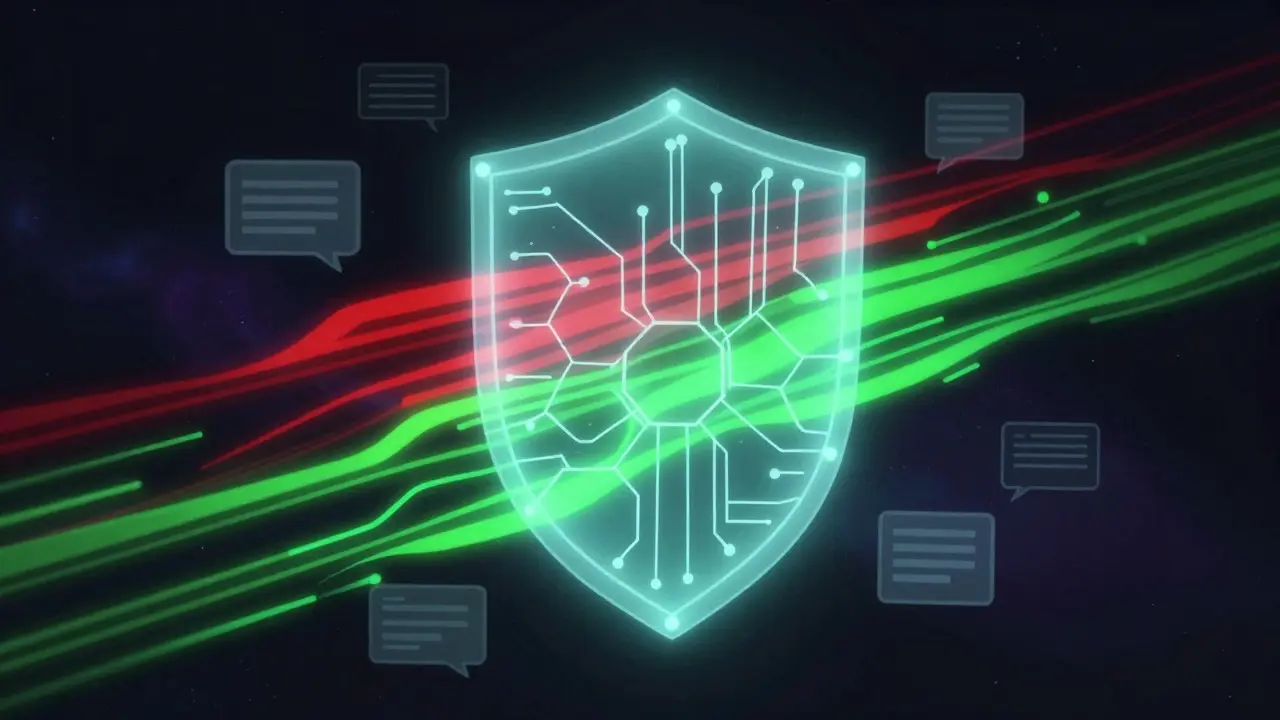
Humans make mistakes, especially under pressure. That’s why Wikipedia uses software to catch errors before they stick. Edit bots scan new changes for common issues. They check if citations are missing, if images lack captions, or if the text looks like spam. If a bot finds a problem, it flags the edit. Sometimes, it even reverts the change automatically if it’s obviously vandalism, like adding "LOL" to a serious article.
There are also specialized bots for specific tasks. Some track weather data to update infoboxes automatically. Others monitor user behavior to spot patterns of bad faith editing. If someone starts editing fifty articles in ten minutes, a bot might lock their account temporarily. This automation handles the low-level policing, allowing human editors to focus on the harder job: judging the quality of arguments and sources.
Handling Edit Wars and Revert Culture
Despite the rules, conflicts happen. When emotions run high, editors sometimes skip the talk page and just revert changes. This is known as the Revert culture. It’s controversial. Purists hate it because it shuts down conversation. Pragmatists love it because it stops obvious errors from sticking around. A good balance involves using the "Three-Revert Rule." This informal guideline suggests that if you revert an edit three times without discussion, you should stop and go to the talk page. It keeps the peace while still allowing quick fixes for clear-cut mistakes.
For major news events, administrators often step in. They have special permissions to protect articles. Article protection means only certain editors can change the text. This is rare but necessary when an article becomes a battleground. Once the dust settles and consensus is reached, the protection is lifted. It’s a temporary measure to buy time for rational discussion.
The Impact of Traffic Spikes on Quality
High traffic brings more eyes, which is generally good. More viewers mean more chances to catch an error. However, it also brings more inexperienced editors. New users might jump in with enthusiasm but lack the context needed to navigate complex disputes. This influx can slow down the review process. Experienced editors have to spend time explaining basic rules to newcomers, which takes away from their ability to verify facts.
Yet, the sheer volume of participation often leads to better outcomes. If a fact is wrong, someone will notice. If a source is weak, someone will challenge it. The system self-corrects through redundancy. No single person controls the narrative. It’s a distributed network of checks and balances. While not perfect, it’s remarkably resilient against individual bias or error.

Challenges in Real-Time Verification
The biggest hurdle is speed versus accuracy. In traditional journalism, editors wait for confirmation. On Wikipedia, the pressure to update immediately is high. Readers expect real-time information. This tension can lead to premature updates. An editor might add a detail based on a single unverified report, hoping it gets confirmed later. If it doesn’t, the edit stays until someone else removes it. This lag is a known weakness.
To mitigate this, editors use tentative language. Phrases like "reportedly" or "according to early reports" signal uncertainty. It’s not ideal, but it’s honest. Over time, as more sources pile up, the language becomes more definitive. The article evolves from a snapshot of confusion to a solid record of events. This gradual refinement is the core strength of the model. It doesn’t demand perfection on day one, but it aims for it by day three.
Community Consensus and Neutral Point of View
At the heart of Wikipedia’s approach is the concept of Neutral Point of View, or NPOV. This doesn’t mean no opinion, but rather representing all significant viewpoints fairly. During news events, this is tricky. Different groups may interpret the same event differently. The goal is to present the facts neutrally and attribute opinions to their holders. If a politician calls an event a "disaster," the article says, "The politician described the event as a disaster." It doesn’t label the event itself as a disaster unless multiple independent sources agree.
Achieving this requires constant negotiation. Editors debate word choice, structure, and emphasis. These debates are visible on talk pages. It’s messy, but it’s transparent. Readers can see how the conclusion was reached. This transparency builds trust. Even if you disagree with the final wording, you know it wasn’t decided by a hidden committee. It was debated in the open.
Lessons for Other Platforms
Wikipedia’s methods offer valuable lessons for any community-driven platform. First, prioritize discussion over immediate action. Second, rely on external, verifiable sources rather than internal authority. Third, use automation to handle routine tasks, freeing humans for complex judgment. Fourth, embrace transparency. Show your work. Fifth, accept that accuracy is a process, not a destination. These principles apply beyond encyclopedias. They’re relevant for any system where crowds generate content. Whether it’s a product review site or a knowledge base, the dynamics are similar. The key is balancing speed with rigor.
So, next time you read a Wikipedia article about a major event, remember the effort behind it. It’s not just text on a screen. It’s the result of thousands of small decisions, arguments, and corrections. It’s a living document that reflects the collective attempt to understand what just happened. And while it’s not infallible, it’s one of the most robust systems we have for crowd-sourced truth.
Why do Wikipedia editors use talk pages instead of editing directly?
Talk pages allow editors to discuss proposed changes before implementing them. This helps prevent edit wars and ensures that changes are based on consensus and reliable sources, especially during contentious or fast-moving news events.
What makes a source "reliable" on Wikipedia?
A reliable source typically has a strong editorial process, such as major newspapers, wire services, or academic journals. The key is that the source has accountability for its accuracy and is not primarily promotional or opinion-based without attribution.
How do bots help maintain accuracy?
Bots automatically scan edits for common errors like missing citations, formatting issues, or obvious vandalism. They can flag problems or revert clearly bad changes, reducing the workload for human editors and speeding up error correction.
Is Wikipedia always accurate during breaking news?
Not always. Breaking news is chaotic, and initial updates may contain errors or unverified claims. However, the system is designed to correct these errors quickly through community review, source verification, and automated monitoring. Accuracy improves significantly within hours to days.
What is the Three-Revert Rule?
The Three-Revert Rule is an informal guideline suggesting that if an editor reverts another editor's change three times without reaching a discussion, they should stop and move the conversation to the talk page. It aims to prevent endless cycles of undoing and redoing edits.