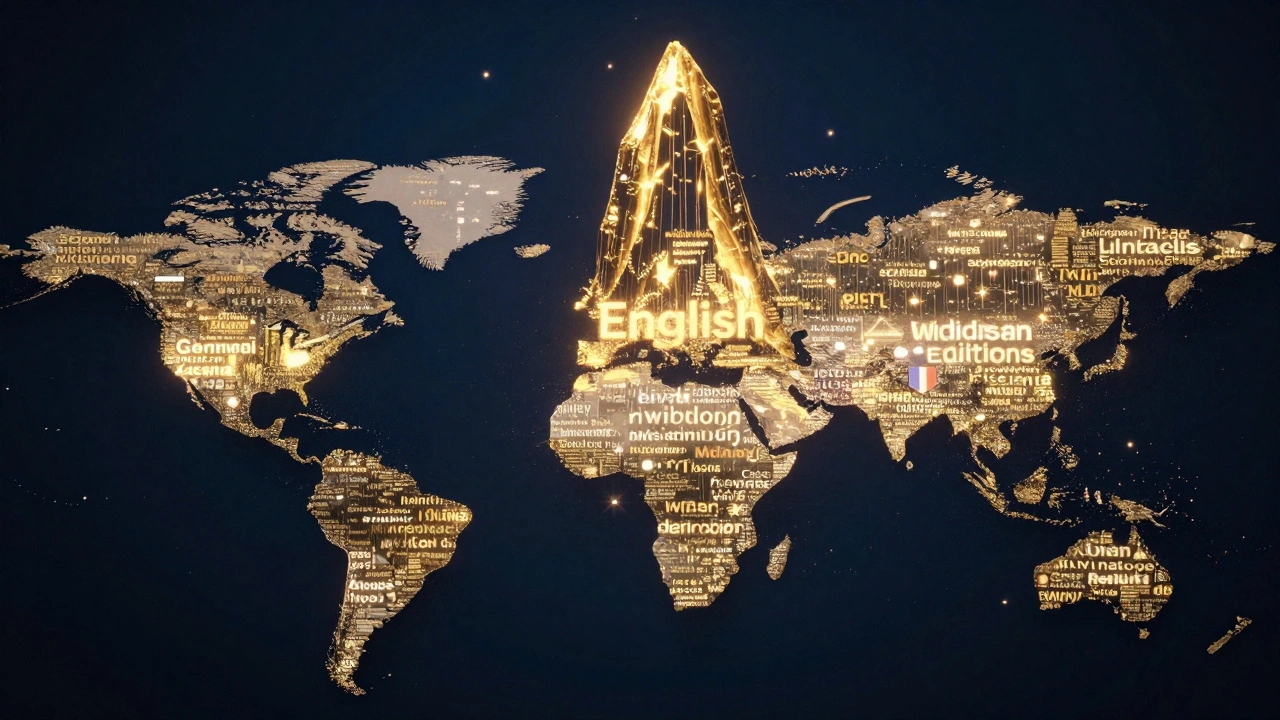
If you're looking to understand the scale of this project, you're dealing with one of the biggest data footprints on the web. The Wikipedia language editions represent a massive effort to democratize knowledge, but the distribution is wildly uneven. From the behemoth that is the English version to tiny, niche editions, the gap is staggering.
Quick Takeaways
- The English Wikipedia is the largest, dwarfing most other editions in both article count and data size.
- Language size varies based on speaker population, digital literacy, and active community contributions.
- Wikimedia provides raw data dumps for those who want to analyze the full scale of these libraries.
- There is a distinct difference between the number of articles and the actual storage size (bytes) of the data.
The Heavy Hitters: Largest Wikipedia Editions
When we talk about the "giants," we're usually talking about languages with massive global reach. English Wikipedia is the largest edition of the online encyclopedia, serving as a global hub for information across thousands of topics. With over 6.8 million articles, it isn't just a source of info; it's a data monster. For a developer or data scientist, the English dump is the primary target for training LLMs because of its sheer volume and structured nature.
But it's not just English. Other major players include the German, French, and Spanish versions. The German Wikipedia is particularly famous for its depth in technical and scientific topics, often rivaling English in the quality of specialized academic entries. Spanish follows closely, driven by a huge user base across Latin America and Spain.
| Language | Estimated Articles | Primary Driver | Data Complexity |
|---|---|---|---|
| English | 6.8M+ | Global Lingua Franca | Extreme |
| German | 2.9M+ | Academic Rigor | High |
| French | 2.6M+ | Francophonie Network | High |
| Spanish | 2.5M+ | Regional Demographics | Medium-High |
| Japanese | 1.3M+ | High Local Engagement | Medium |
The Mid-Range and Specialized Editions
Below the top five, you find the "mid-range" editions. These are languages like Russian Wikipedia, which provides comprehensive coverage for Eastern Europe and Central Asia , or the Chinese editions. Interestingly, the Chinese version is split into different variants (Simplified and Traditional), which fragments the total size across different platforms.
What's fascinating here is the "knowledge gap." In mid-sized editions, you'll notice that global news is well-covered, but hyper-local history or niche science might be missing. This creates a weird dynamic where a user might find a detailed article about a local village in the Indonesian Wikipedia, but absolutely nothing about it in the English version, despite English being larger overall.
Small and Emerging Language Versions
Then we hit the long tail. There are hundreds of Wikipedia editions with fewer than 10,000 articles. Some of these are for languages that are endangered, while others are for constructed languages or dialects. Wikimedia Foundation is the non-profit organization that hosts Wikipedia and coordinates its multilingual growth , but they can't force people to write. The size of these editions depends entirely on volunteers.
For example, imagine a language spoken by 50,000 people in a remote mountain region. If only five of those people are tech-savvy and passionate about history, the Wikipedia edition for that language will stay small. This is where the "digital divide" becomes visible. The size of a Wikipedia edition is often a proxy for how much a culture has transitioned into the digital age.
How Size is Actually Measured: Articles vs. Dumps
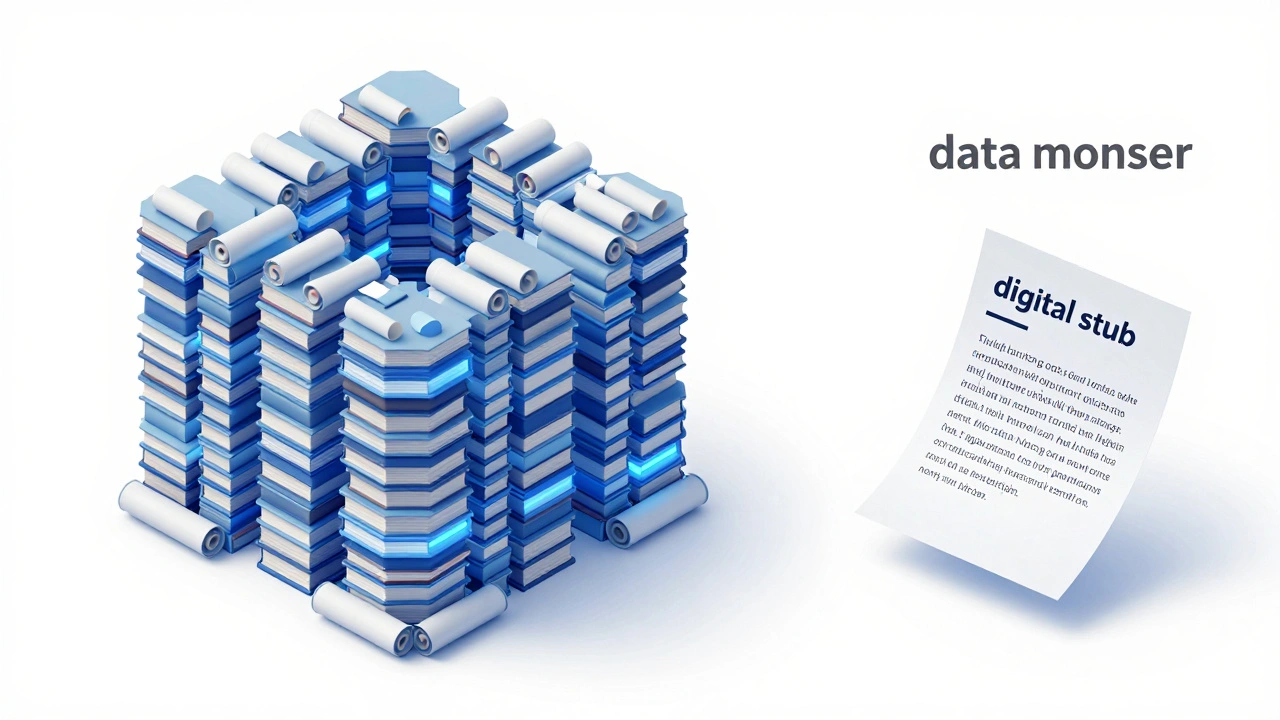
If you're trying to track the actual size of these editions, you have to distinguish between the "article count" and the "compressed dump size." An article count tells you how many pages exist. A Wikimedia Dump is a periodic export of all the text and metadata from a Wikipedia language edition . This is the raw data used by researchers.
The storage size depends on:
- Text Volume: How long are the articles? A German article on quantum physics is usually much longer than a short stub in a smaller language.
- Metadata: Every edit, user talk page, and category adds to the byte count.
- Media: While images are stored on Wikimedia Commons, the links to those images are stored in the language dumps.
If you download the English dump, you're looking at terabytes of data. If you download the edition for a small dialect, it might be a few megabytes. This disparity makes it hard to build truly "universal" AI models because the training data is so heavily skewed toward English and European languages.
The Role of Multilingual Initiatives
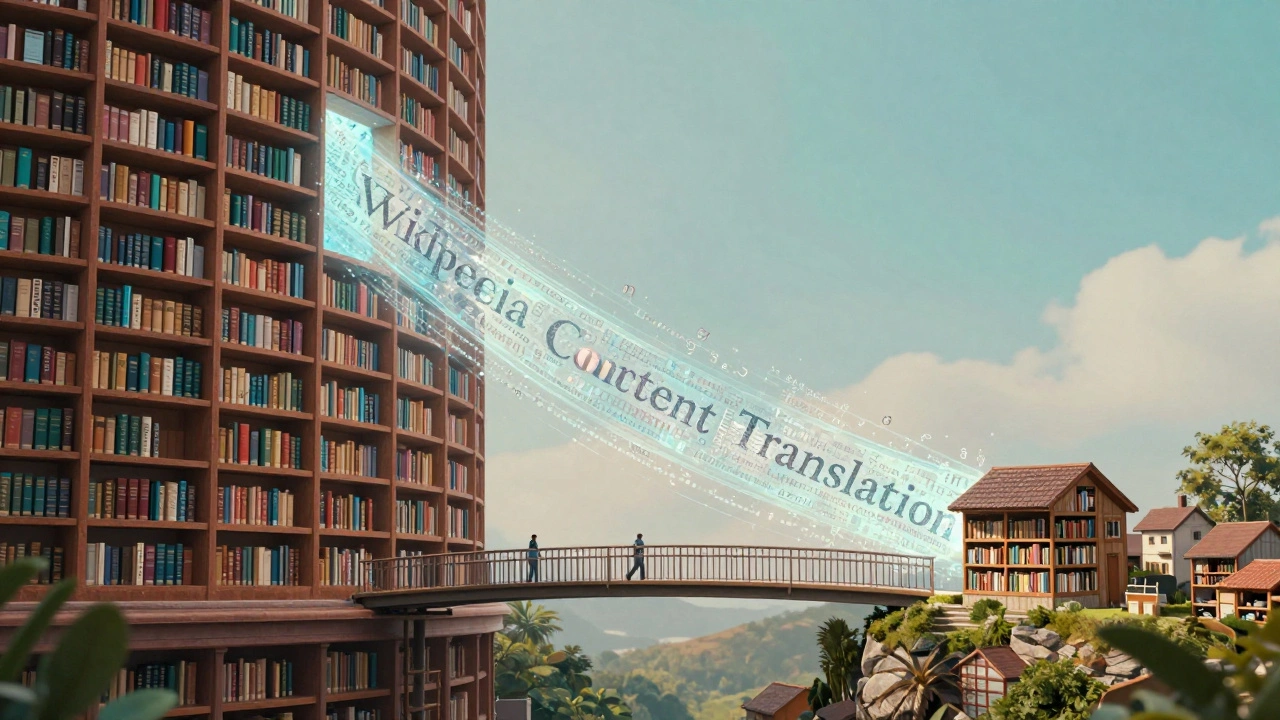
To fight this imbalance, several efforts are underway. The Wikipedia Multilingual Initiative focuses on bridging the gap between languages. One way they do this is through "content translation" tools. Instead of writing a whole article from scratch, an editor in a small language can import a version from the English Wikipedia and translate it manually.
This process, known as "transclosure," allows smaller editions to grow exponentially. For instance, if a high-quality article on "Climate Change" exists in English, it can be ported to dozens of smaller languages, instantly increasing the "size" and utility of those editions without requiring a local expert on the topic to write it from scratch.
Pitfalls in Analyzing Wikipedia Data
If you're diving into these sizes for a project, watch out for "stubs." A stub is a very short article-sometimes just one sentence-that serves as a placeholder. A language edition might boast 100,000 articles, but if 60% of them are stubs, the actual knowledge density is quite low. This is a common issue in emerging editions where the community is more focused on quantity than depth.
Another trap is "bot-generated content." Some editions have seen massive spikes in size because a bot scraped a database (like a list of every town in a country) and created 50,000 tiny articles. This inflates the size of the edition without actually adding much human-curated value.
Why is the English Wikipedia so much larger than others?
It's a combination of the global status of English as a business and scientific language and a larger pool of early internet adopters who were comfortable editing in English. This created a "snowball effect" where more users attracted more editors, which in turn created more content.
Where can I find the actual list of all language sizes?
The best place is the Wikipedia "Statistics」 page or the Wikimedia dumps site. These provide real-time or periodically updated counts of articles, files, and total bytes for every active language edition.
Do all languages have their own separate Wikipedia?
Yes, each language has its own domain (e.g., en.wikipedia.org, fr.wikipedia.org). They are technically separate databases, though they share the same underlying software (MediaWiki) and some shared resources like Wikimedia Commons.
What happens to very small language editions?
They are supported by the Wikimedia Foundation, but their growth depends on volunteers. Some very small editions are transitioned into "Wikivoyage" or other sister projects if the community prefers a different format, but generally, any language is welcome to have its own encyclopedia.
Can I download a whole language edition?
Yes, through Wikimedia Dumps. However, be warned that the English version is massive and requires significant storage and computing power to process if you're planning to run your own local copy or analyze it with a script.
Next Steps for Data Enthusiasts
If you're interested in exploring this further, start with the Wikimedia Statistics portal. It's the most accurate way to see how the project is growing. If you're a coder, try using the MediaWiki API to pull specific article counts for a set of languages you're researching.
For those who want to help bridge the gap, consider using the Content Translation tool. Pick a topic you're an expert in and see if you can translate a well-documented English article into a language you speak that has a smaller Wikipedia presence. It's one of the fastest ways to actually move the needle on those size statistics.