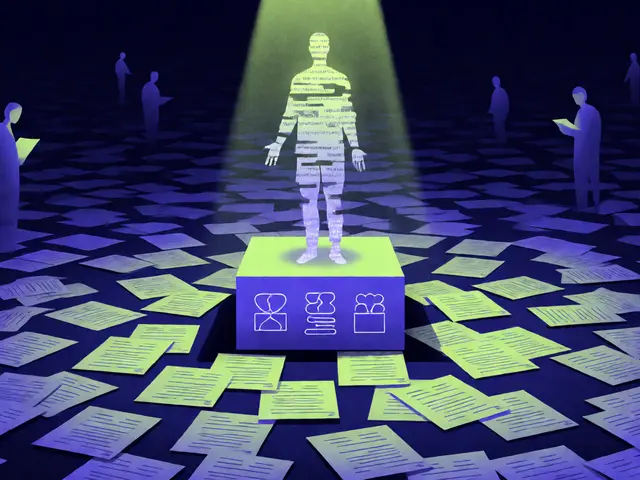
When a major event hits the headlines, the first place many people look is not their local newspaper or a TV station, but Wikipedia is a free, collaborative online encyclopedia that serves as a primary reference point for millions of users daily. You might wonder how a site edited by volunteers can keep up with breaking news without turning into a rumor mill. The answer lies in a rigid set of rules and a surprisingly fast human reaction time.
The core challenge for editors is balancing speed with accuracy. If you edit an article too quickly after a shocking event, you risk adding unverified details. If you wait too long, the information becomes outdated. This tension drives every action taken on the platform during a crisis or significant political shift.
The Role of Verifiability in Breaking News
The golden rule of Wikipedia is Verifiability, which means every fact must be supported by a reliable source. In normal times, this usually means citing academic journals or established newspapers. During breaking news, the definition of "reliable" shifts slightly to include real-time reporting from major wire services like Associated Press or Reuters.
Editors do not just take what they see on social media at face value. A tweet from a politician is generally considered unreliable unless it is confirmed by multiple independent outlets. For example, if a president announces a new policy on X (formerly Twitter), Wikipedia editors will wait until at least two major news agencies have reported on it before adding the detail to the article. This buffer prevents the kind of chaos seen in early internet forums where rumors spread faster than facts.
- Primary Sources: Official statements, court documents, or press releases are used when available.
- Secondary Sources: Reports from reputable news organizations are the backbone of most updates.
- Exclusion of Speculation: Any text that sounds like guesswork (e.g., "likely to resign") is removed until a formal announcement is made.
The Speed of Community Response
You might think a volunteer project would be slow, but Wikimedia Commons and the main English Wikipedia often see thousands of edits within hours of a major event. This surge is driven by dedicated editors who monitor current events. They use tools like the "Recent Changes" feed to spot errors or vandalism instantly.
Consider the 2024 presidential election cycle. Within minutes of polls closing, editors began updating candidate pages. However, they didn't just add "Candidate A wins." They waited for the certification of results in key states. This patience is crucial because premature declarations can lead to edit wars, where one group of users tries to force a narrative while another fights back. The solution is not a single administrator deciding who is right, but a system of checks and balances.
Handling Controversial and Polarizing Topics
Major news often involves politics, disasters, or conflicts, which are inherently polarizing. To handle this, Wikipedia enforces Neutral Point of View (NPOV). This doesn't mean ignoring opinions; it means representing all significant viewpoints proportionally. If a controversial law is passed, the article must mention both the supporters' arguments and the critics' objections, provided both sides are covered by reliable sources.
This process can be messy. Editors sometimes disagree on how much weight to give a specific opinion. When this happens, they discuss the issue on the article's talk page. If no agreement is reached, the section may remain neutral but vague until more clarity emerges. This avoids taking a side while ensuring the article remains factual.
| Event Type | Typical Time to Update | Required Source Level | Risk Factor |
|---|---|---|---|
| Breaking Political Announcement | 1-4 hours | Two major wire services | High (rumor risk) |
| Natural Disaster Confirmation | 30 mins - 2 hours | Official agency + News report | Medium (data fluctuation) |
| Court Ruling | Same day | Official court document | Low (legal record) |
| Sports Championship Win | Minutes | Live broadcast confirmation | Low (objective outcome) |

The Mechanism of Talk Pages and Consensus
Behind every polished Wikipedia article is a chaotic but productive discussion happening on its associated Talk Page. This is where editors argue about wording, sourcing, and structure. It is not a forum for public debate, but a workspace for content creators.
During major news developments, these pages become active hubs. An editor might post: "Source says the building collapsed at 4 PM, but another source says 5 PM. Which should we use?" Other editors jump in, check the timestamps, and agree on the most precise data point. This consensus-building process ensures that the final text reflects the collective judgment of the community rather than the bias of a single individual.
If a dispute persists, it can escalate to the Wikipedia Arbitration Committee, though this is rare for simple news updates. Most disagreements are resolved through polite negotiation and citation of better sources.
Managing Vandalism and Good Faith Edits
Any open platform faces the risk of vandalism. During high-profile events, trolls might try to change facts to fit a narrative. For instance, changing a death toll to an exaggerated number or altering a quote. However, Wikipedia has robust tracking systems. Every edit is logged, and previous versions can be restored with a few clicks.
Administrators, who are elected volunteers with special permissions, patrol recent changes. They can revert bad edits quickly. But the best defense is the sheer volume of good-faith editors. If someone makes a mistake, it is often corrected within minutes by another user who notices the error. This self-correcting nature is why Wikipedia remains a trusted resource despite its open-edit model.
Long-Term Stability vs. Short-Term Flux
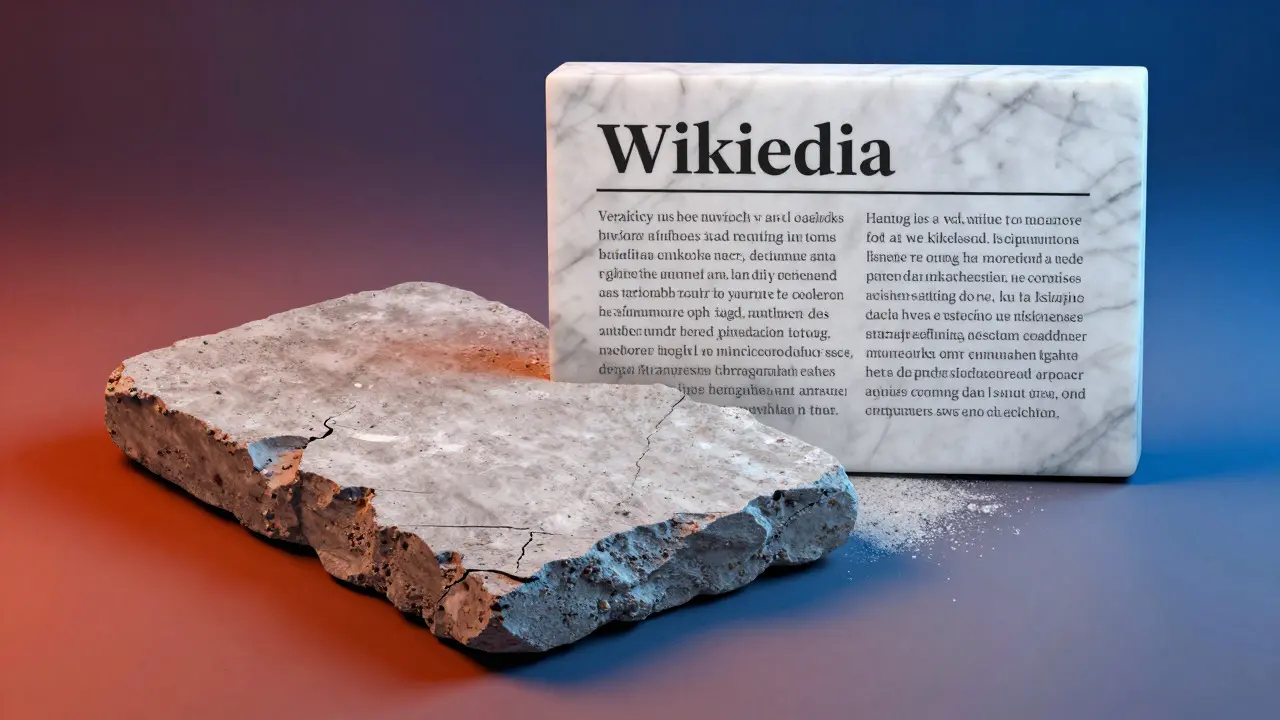
Not all news stays in the spotlight forever. Some events fade quickly, while others reshape history. Wikipedia handles this by separating "current events" sections from historical narratives. As time passes, the initial breaking news blurbs are refined into more analytical, sourced paragraphs. Citations are updated to include retrospective analyses rather than just live reports.
This transition is critical. An article written during a crisis might contain tentative language like "believed to be injured." Six months later, that same sentence is replaced with definitive medical records or official statements. This evolution shows that Wikipedia is not a snapshot, but a living document that matures alongside the story.
Frequently Asked Questions
Can anyone edit Wikipedia during breaking news?
Yes, technically anyone can edit any article, even without an account. However, during sensitive times, some articles may be temporarily protected against anonymous edits to prevent vandalism. Registered users can still contribute, and their edits are scrutinized more closely by administrators.
How does Wikipedia decide which news is important enough to cover?
Importance is determined by coverage in reliable sources. If a major outlet like the New York Times or BBC covers an event extensively, it meets the threshold for inclusion. Local or minor events are only covered if they have significant regional impact documented by credible local media.
What happens if two reliable sources contradict each other?
Editors typically present both views if the contradiction is significant. If one source is clearly more authoritative or newer, that version takes precedence. The discussion on the talk page usually resolves this by identifying the more credible or comprehensive source.
Do Wikipedia editors get paid to update news articles?
No, most editors are volunteers working for free. The Wikimedia Foundation employs staff for technical infrastructure and legal matters, but the content creation is almost entirely community-driven. This unpaid model relies on passion for accuracy and knowledge sharing.
Is Wikipedia more accurate than traditional news during crises?
It depends. Traditional news offers immediate raw reporting, while Wikipedia offers a synthesized, cited summary. Wikipedia is often more stable because it requires consensus and verification, whereas news outlets may correct themselves later. Both have strengths, but Wikipedia reduces the risk of isolated errors spreading unchecked.