
Have you ever wondered what goes on behind the scenes of the world’s largest encyclopedia? It’s not just bots editing pages. Real people with distinct roles, quirks, and stories drive it all. The Signpost is the newspaper that captures these human elements. It’s been running since 2005, serving as a crucial communication channel for the English Wikipedia community. But how does this publication actually find its subjects and structure its conversations?
If you’re a new editor or just curious about the ecosystem, understanding the interview formats used in The Signpost gives you a backstage pass to the community’s culture. This isn’t your standard corporate press release stuff. These are raw, honest, and often funny chats with the folks who keep the servers humming and the articles neutral.
The Core Mission of Community Journalism
The Signpost operates differently from mainstream media. It is written by volunteers, for volunteers. Its primary goal isn’t to sell ads but to inform and entertain the Wikipedia community. When they decide to interview someone, whether it’s a high-ranking Wikimedia Foundation employee or a veteran editor, the approach shifts based on who is sitting across the digital table.
The editors treat interviews as a way to build trust. In an online space where anonymity is common, putting a face (or at least a username) to a voice helps humanize the project. They look for stories that resonate with other editors-struggles with conflict resolution, triumphs in article creation, or the sheer absurdity of internet culture.
Profiling the Power Users: Wikipedian Interviews
Most interviews feature Wikipedians, the volunteer contributors. These aren’t always the most prolific editors, though many are. Often, the editors look for specific niches. Maybe someone has edited every single article about bridges in Pennsylvania. Or perhaps they’ve mediated a particularly nasty dispute over the definition of a tomato.
The format here is usually conversational. Questions are sent via email or posted on the user’s talk page. There’s no rigid script. If a subject wants to go off on a tangent about their favorite cat, the interviewer lets them. This organic flow makes the profiles feel like catching up with a friend rather than reading a resume.
- Niche Experts: Editors who dominate specific topics, offering insights into why those areas matter.
- Conflict Mediators: Users known for keeping cool when things get heated in discussion pages.
- Newcomers: Fresh eyes who can explain why they joined and what surprised them.
- Veterans: Long-time contributors who remember when Wikipedia was barely a blip on the radar.
The Professional Side: Interviewing Foundation Staff
While volunteers make up the bulk of the content, Wikimedia Foundation staff provide the infrastructure and strategic direction. Interviewing them requires a different touch. These individuals often have public relations training, so the Signpost editors work hard to break through the corporate veneer.
Questions tend to focus on transparency and future plans. For instance, when the Foundation launches a new tool like VisualEditor, staff interviews help explain the technical hurdles and the reasoning behind design choices. It’s a chance for the community to ask, “Why did you change this?” without shouting into the void.
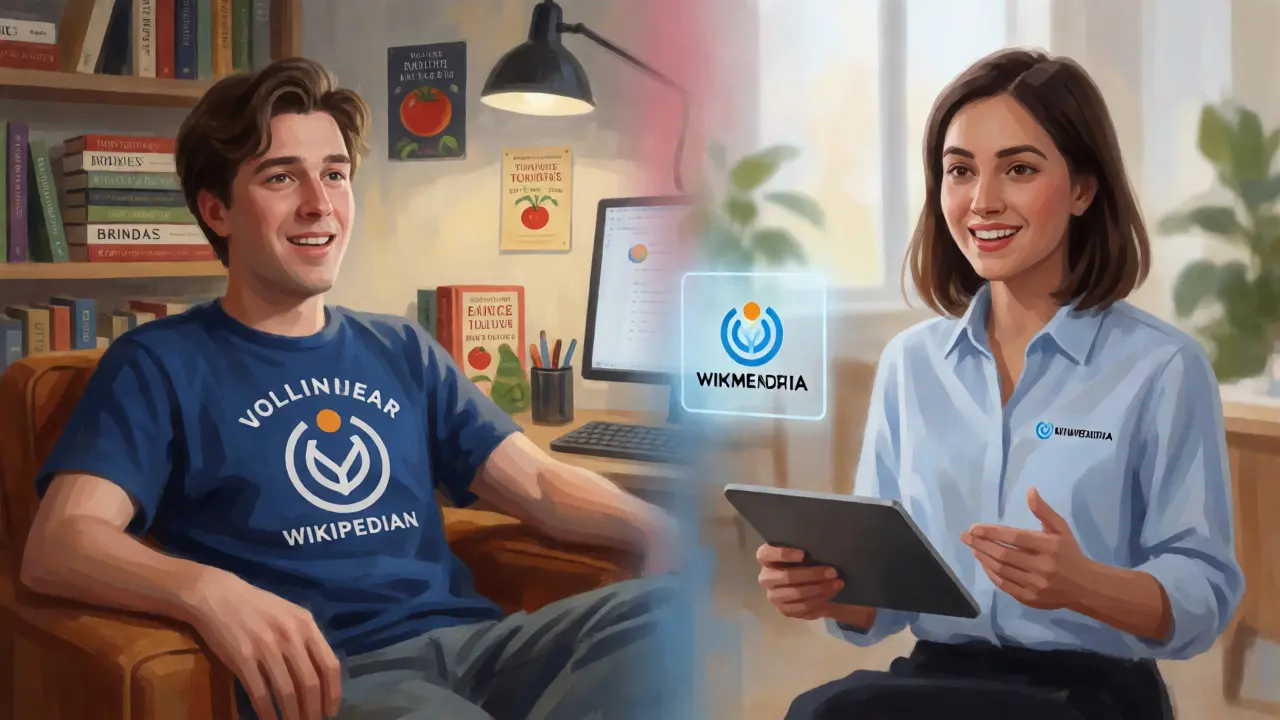
| Subject Type | Primary Focus | Tone & Style | Common Topics |
|---|---|---|---|
| Volunteer Editor | Personal motivation, editing habits, community culture | Casual, anecdotal, humorous | Disputes, favorite articles, offline life |
| Foundation Staff | Project strategy, technical updates, policy changes | Informative, slightly formal, explanatory | Budgets, software features, global reach |
| Guest Experts | Subject matter expertise, external perspectives | Educational, respectful, detailed | Academic standards, source reliability |
How Stories Are Chosen and Pitched
You might think there’s a casting call for interviews. There isn’t. Most come from pitches within the newsroom team. An editor spots a interesting edit history or hears about a unique contributor in a chat room. They then reach out to the potential subject.
This decentralized sourcing keeps the content fresh. It prevents the same few famous users from hogging the spotlight. Sometimes, a random user gets interviewed simply because they wrote a particularly witty comment on a request for adminship page. The criteria are loose: Is this person interesting? Do they have a story worth telling? Will the community care?
The Ethics of Anonymity and Privacy
One tricky aspect of interviewing Wikipedians is privacy. Many contributors prefer pseudonyms. The Signpost respects this norm rigorously. Unless a subject explicitly agrees to use their real name and photo, the interview remains under their username handle. This protects editors from harassment, which is a real risk in high-profile disputes.
For Foundation staff, the rules are looser since they work publicly for the organization. However, even staff members sometimes choose to keep parts of their personal lives private. The editors navigate these boundaries carefully, ensuring that the interview feels safe for the participant.

Impact on Community Cohesion
Why bother with all this profiling? Because it builds a sense of belonging. Reading about another editor’s struggles with a difficult topic validates your own experiences. It reminds everyone that they are part of a shared mission, despite being scattered across the globe.
These interviews also serve as historical records. Years from now, researchers will look back at these profiles to understand the mindset of the early and mid-2020s Wikipedia community. They capture the zeitgeist of open-source collaboration better than any dry annual report could.
Getting Involved: Can You Be Interviewed?
If you’re an active editor, you might end up in The Signpost one day. Keep your user page updated. Write clearly. Engage politely in discussions. Sometimes, visibility comes from consistency rather than fame. If you have a unique angle-a background in librarianship, a career in journalism, or a hobby that overlaps with niche articles-mention it on your profile. Newsroom editors often scan recent changes for interesting leads.
For staff, engagement happens through official channels, but informal interactions during hackathons or conferences often lead to deeper, more candid interviews. The key is accessibility. Being approachable makes you a better candidate for a story.
What is The Signpost?
The Signpost is a newspaper published by and for the English Wikipedia community. Established in 2005, it covers news, events, and interviews related to Wikipedia and the broader Wikimedia movement.
Who conducts the interviews?
Interviews are conducted by volunteer editors who serve on the Signpost newsroom team. These individuals are experienced Wikipedians who manage the editorial process, including pitching, writing, and publishing.
Do interviewees receive payment?
No, participants do not receive monetary compensation. Both volunteer editors and Foundation staff participate voluntarily. The benefit is typically increased visibility and the opportunity to share insights with the community.
Can anonymous users be interviewed?
Yes, absolutely. Many Wikipedians maintain anonymity. The Signpost respects this preference, conducting interviews under usernames and avoiding personal details unless the subject explicitly consents to sharing them.
How often are interviews published?
The frequency varies depending on the number of submissions and available editorial bandwidth. Typically, several interviews appear each month across various sections, such as "Community Voices" or "News and Notes."