Key Takeaways
- The community relies on "consensus" rather than top-down authority to resolve disputes.
- A strong bias exists toward verifiable sources over personal expertise.
- Demographic gaps, particularly in gender and geography, shape what information gets prioritized.
- Core values like Neutral Point of View (NPOV) act as the legal code of the site.
The Unwritten Rules of the Wiki-World
To the casual reader, Wikipedia looks like a website. To the people who build it, it's a governance system. The Wikipedia community norms is a set of social expectations that govern how editors interact. You don't just sign up and start changing facts; you enter a social contract. The most fundamental rule is the Neutral Point of View a policy requiring articles to be written neutrally, representing all significant views fairly and without bias, often abbreviated as NPOV. This isn't just about being 'fair'; it's a rigorous requirement to strip away adjectives and opinions.
When a new editor arrives and changes a sentence from "The politician was a failure" to "The politician's term saw a 5% drop in GDP," they are practicing NPOV. If they simply say "The politician was great," they'll likely find their work deleted within minutes. This culture of "assume good faith" means that editors generally believe people are trying to help, even when they make mistakes. However, when that faith is broken-through vandalism or systemic bias-the community pivots from welcoming to fiercely protective of the project's integrity.
The Power of Consensus and the "Bold" Approach
How do you decide what's true when you have ten different editors with ten different opinions? You use Consensus the process by which the community reaches a general agreement on the content or structure of an article. Unlike a company where a manager makes the final call, Wikipedia uses a slow, often tedious process of discussion on "Talk pages." If you want to make a massive change to a high-traffic page, you don't just do it; you propose it, argue it, and wait for other editors to nod in agreement.
This is balanced by the "Be Bold" philosophy. For beginners, the community encourages them to make small, helpful edits without fear. It's a strange paradox: you're told to be bold and change things, but you're also warned that if you change the wrong thing, you'll face a wall of criticism. This creates a steep learning curve where editors move from being "casuals" to "power users" by absorbing the nuanced language of the community.
The Demographic Divide: Who Really Writes the Internet?
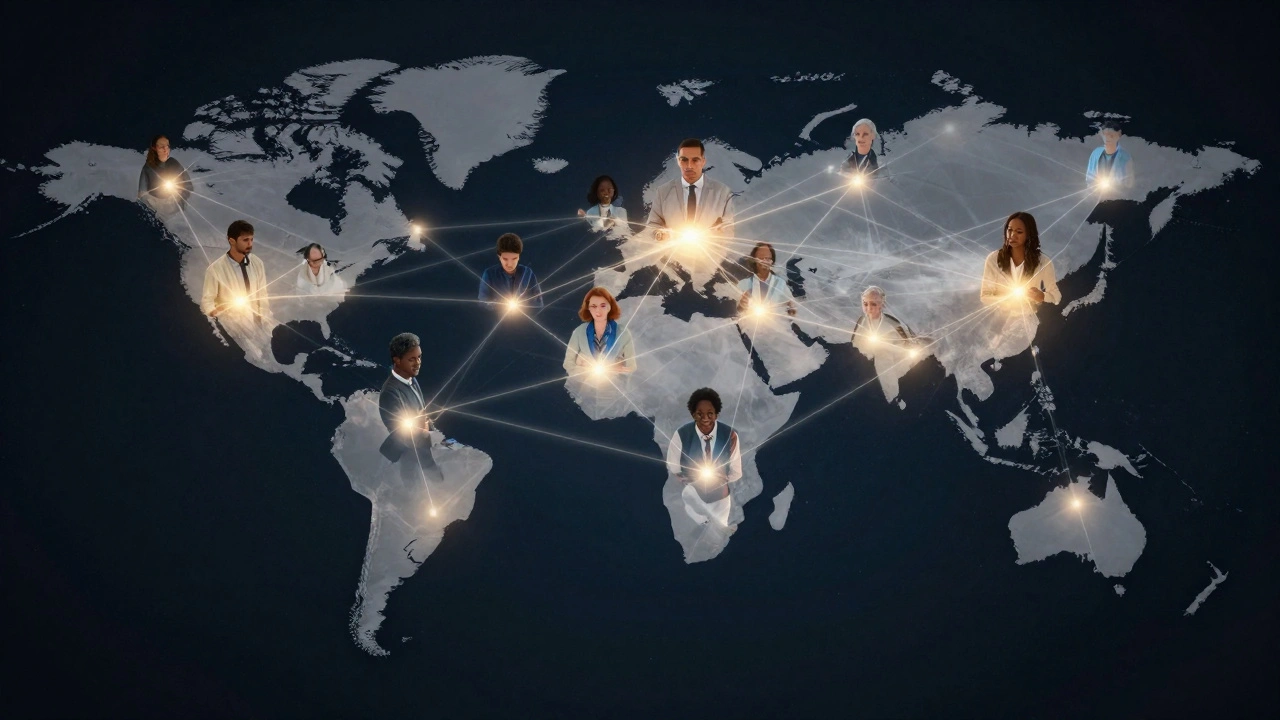
While the project aims for a global perspective, the actual Editor Demographics the statistical characteristics of the people who contribute to Wikipedia, including gender, age, and location tell a different story. For years, the community has been overwhelmingly male and skewed toward the Global North, specifically North America and Europe. This isn't an accident; it's a reflection of who had the time, internet access, and cultural confidence to participate in the early 2000s.
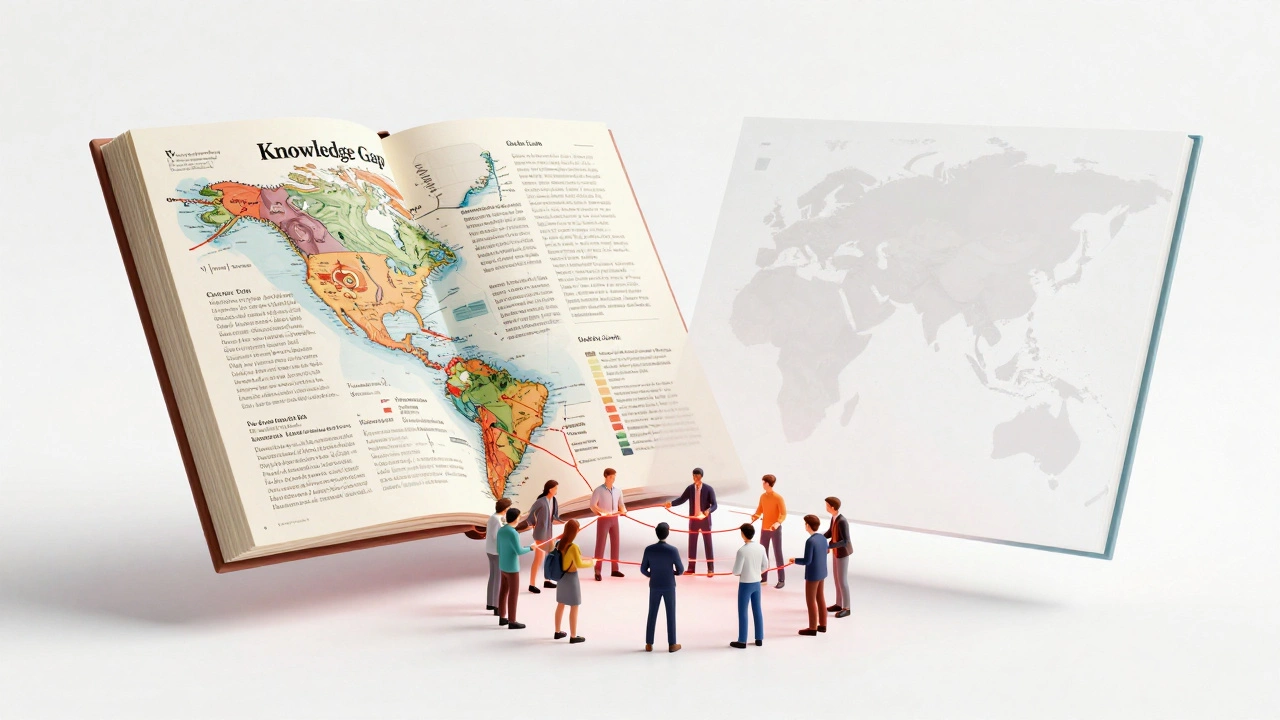
This demographic tilt creates a "knowledge gap." For example, a small town in the Midwest might have a detailed Wikipedia page, while a massive city in Sub-Saharan Africa has only a stub. The community values "notability," but the criteria for what is considered notable are often subconsciously filtered through a Western lens. Efforts like the "Women in Red" campaign have attempted to fix this by specifically adding missing women to the site, proving that the culture is aware of its biases, even if it struggles to erase them.
| Attribute | Wikipedia Community | Traditional Journalism |
|---|---|---|
| Authority | Distributed / Consensus-based | Hierarchical / Editor-in-Chief |
| Verification | Secondary Source Reliance | Primary Reporting / Interviewing |
| Tone | Strictly Neutral (NPOV) | Narrative / Interpretive |
| Speed of Change | Instant / Real-time | Publication Cycle / Revision |
The Hierarchy of Trust: Admins and Bureaucrats
Even a decentralized system needs some structure. Enter the Administrator trusted users granted technical tools to protect pages and block disruptive userss. Being an admin isn't a promotion in the corporate sense; it's more like being a volunteer janitor. Admins don't decide what is "true," but they do decide who is too disruptive to stay. They handle the "police work" of the site, such as locking pages during an intense edit war to let tempers cool down.
Above admins are the bureaucrats, who handle the most technical aspects of the Wikimedia Foundation the non-profit organization that operates Wikipedia and its sister projects's infrastructure. This hierarchy is based entirely on trust and a proven track record of following the norms. If an admin starts acting like a dictator, the community can vote to remove their privileges. It's a system of checks and balances that would make a constitutional lawyer proud.
The Conflict Between Expertise and Verifiability
One of the most controversial aspects of Wikipedia culture is the rejection of "original research." In the real world, we value the expert's opinion. On Wikipedia, your PhD doesn't matter if you can't cite a published source. This is the principle of Verifiability the requirement that information be supported by a reliable, third-party source. If a world-renowned physicist tries to update their own page with new discoveries that haven't been peer-reviewed yet, the community will actually remove the information.
This creates a tension where the "expert" is often at odds with the "editor." The editor cares about the rulebook; the expert cares about the truth. This culture ensures that the site doesn't become a collection of personal blogs, but it also means that the very latest cutting-edge information often takes a while to appear until it's documented in a way the community accepts.

Navigating the Social Minefield: Tips for Newcomers
If you're looking to contribute, you have to understand that the community communicates in a very specific way. Using "I feel" or "I believe" is a red flag. Instead, use phrases like "The source suggests" or "According to the documentation." The goal is to remove the human element from the text while keeping the human element in the discussion.
Avoid the temptation to "fix" a page in one giant swoop. Instead, make a few small corrections, leave a note on the talk page explaining your reasoning, and wait for feedback. This shows that you respect the consensus process. If you ignore the norms, you'll likely be labeled as a "single-purpose account" or a spammer, and your edits will be reverted by automated bots before you even finish your coffee.
Why do some Wikipedia pages get locked?
Pages are usually locked (or "protected") when they are the target of intense edit wars or constant vandalism. This happens when two or more editors cannot agree on a specific point and keep reverting each other's changes. An administrator locks the page to force the disagreement into the Talk page, where a consensus must be reached before the page is opened for editing again.
Can I write about myself on Wikipedia?
While not strictly forbidden by the software, it is strongly discouraged by community norms. This is due to the Conflict of Interest (COI) policy. Writing about yourself makes it nearly impossible to maintain a Neutral Point of View. The community prefers that you suggest edits on a talk page or provide sources that others can use to update your page.
What is the difference between an editor and an admin?
Every person who changes a page is an editor. Administrators are editors who have been granted special technical tools by the community. These tools allow them to delete pages, block users who violate terms of service, and protect pages from being edited. Admins do not have more authority over what the content should be, only over how the site is moderated.
How does Wikipedia decide what is a "reliable source"?
The community generally follows a hierarchy: peer-reviewed academic journals are at the top, followed by established news organizations with a history of fact-checking, and then books from reputable publishers. Personal blogs, social media posts, and press releases are generally considered unreliable because they lack independent editorial oversight.
What happens if I accidentally delete a lot of information?
Don't panic. One of the core features of Wikipedia is that every single version of a page is saved. If you make a mistake, any other editor (or you) can simply "undo" or "rollback" the change to restore the previous version. This safety net is what allows the community to encourage new users to "be bold."
Next Steps for Aspiring Contributors
If you want to move from a reader to a contributor, start with the "Sandbox." This is a private area where you can practice formatting and adding citations without affecting live articles. Once you're comfortable, look for the "Articles with lower coverage" or "Stub" categories to find pages that actually need help.
For those interested in the social side, spend a week just reading Talk pages. Observe how seasoned editors disagree without descending into insults. Learning the "language of consensus" is more important than knowing how to use the markup language. If you can master the art of the polite, source-backed argument, you'll find the Wikipedia community to be one of the most rewarding intellectual puzzles on the web.