Imagine you are looking up a simple fact about your favorite band, only to find the lead singer listed as a convicted criminal or the album release date changed to next Tuesday. It sounds like a prank, but it happens thousands of times every day on Wikipedia, the free online encyclopedia that relies entirely on volunteer editors to maintain accuracy and neutrality. This isn't just random mischief; it is a coordinated effort by bad actors, bots, and trolls to push agendas, boost personal brands, or simply cause chaos. The defense against this digital erosion is not a single person in a dark room with a ban hammer. It is a massive, decentralized army known collectively as the Counter-Vandalism Unit (CVU).
The Anatomy of Online Vandalism
To understand how the CVU fights back, we first need to look at what they are fighting. Vandalism on Wikipedia is broadly defined as any edit that intentionally damages the integrity of the content. It is not the same as a mistake. If someone adds false information because they genuinely believe it, that is an error, not vandalism. Vandalism requires intent.
We can break down these attacks into three main categories. First, there is the obvious stuff: adding profanity, inserting nonsense text, or blanking out entire pages. These are easy to spot and usually get reverted within seconds. Second, there is the subtle sabotage. This involves adding biased language, removing citations without replacing them, or shifting the tone of an article to favor one side of a controversial debate. This type of damage is harder to detect because it looks like legitimate editing at first glance.
The third category is commercial spam. This is where people or companies try to use Wikipedia as a free advertising platform. They might create a page for their small business, add glowing reviews to their CEO’s biography, or insert links to their products in unrelated articles. This violates Wikipedia’s core policy against being a platform for self-promotion. The CVU deals with all three types, but the methods differ significantly depending on the threat level.
Who Are the Volunteers Behind the Shield?
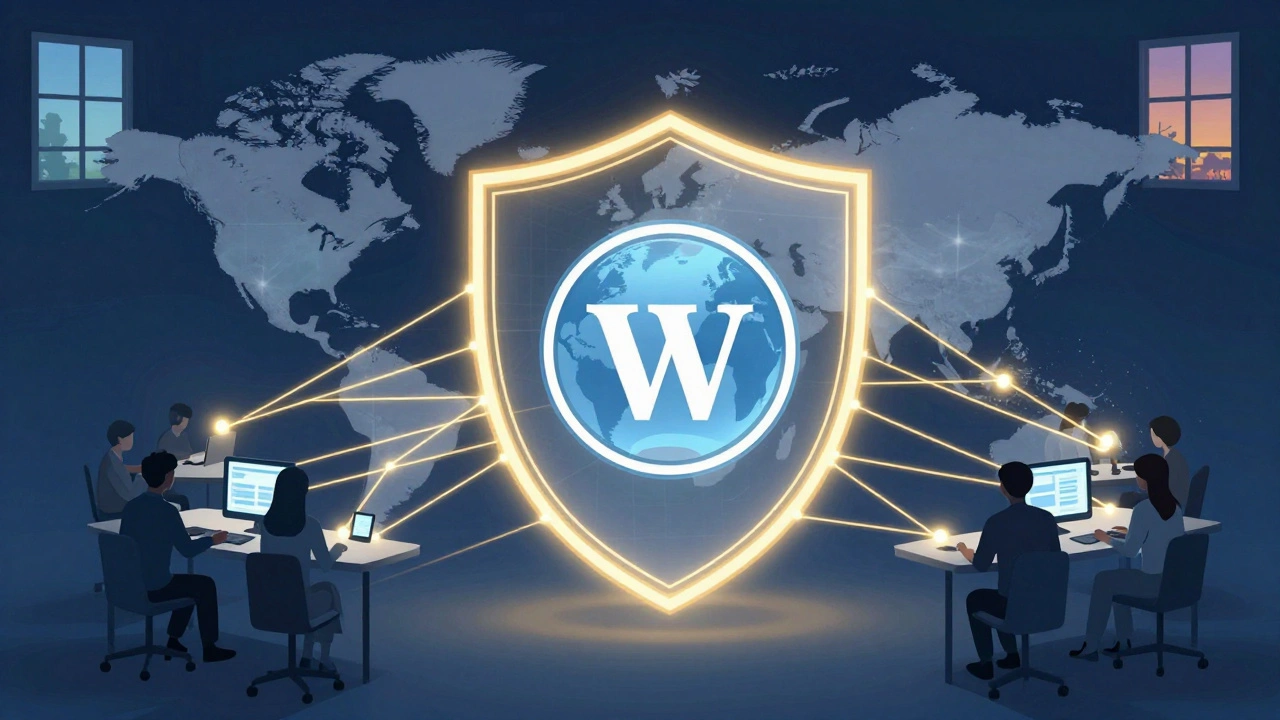
The term "Counter-Vandalism Unit" often conjures images of a formal department with salaries and office space. In reality, it is a loose coalition of experienced volunteers who have dedicated years to learning the ins and outs of Wikipedia’s rules and tools. There is no central command. Instead, these editors operate across different time zones, coordinating through chat rooms, email lists, and public talk pages.
These volunteers fall into several roles. Some are "patrollers," who manually review recent changes to catch errors before they become permanent. Others are "administrators," who have the technical ability to block users from editing and protect pages from further tampering. Then there are the developers who build and maintain the automated tools that do much of the heavy lifting. Without this human infrastructure, Wikipedia would collapse under the weight of its own openness.
It is worth noting that anyone can join the fight. You do not need special credentials. You just need to care about accuracy. Many CVU members started as regular readers who got frustrated by bad edits and decided to take action. Over time, they earned trust within the community, gained administrative rights, and became part of the core defense team.
Automated Defense: Bots and Algorithms
While humans are essential, they cannot keep up with the sheer volume of edits. Wikipedia receives millions of edits per month. That is why automation plays a critical role in the CVU’s strategy. Automated scripts and bots scan new edits in real-time, flagging suspicious activity for human review.
One of the most powerful tools in this arsenal is ORES, a machine-learning system developed by the Wikimedia Foundation that predicts the likelihood of an edit being constructive or damaging. ORES analyzes patterns in the text, the user’s history, and the context of the change. If an edit looks like typical vandalism-such as adding swear words or removing large chunks of text-ORES assigns it a high risk score. This allows patrollers to prioritize the most dangerous edits first.
Beyond ORES, there are specialized bots designed to handle specific tasks. For example, some bots automatically revert edits that match known spam patterns, such as inserting identical promotional links across multiple articles. Other bots monitor for "edit warring," which occurs when two users repeatedly overwrite each other’s changes. When a bot detects this pattern, it can temporarily lock the page to prevent further conflict.
| Method | Speed | Accuracy | Best Use Case |
|---|---|---|---|
| Manual Patrol | Slow | High | Subtle bias, complex disputes |
| ORES Algorithm | Instant | Medium-High | Obvious vandalism, spam |
| Automated Bots | Instant | Variable | Repetitive spam, edit wars |
The Human Touch: Why Automation Isn't Enough
Despite the sophistication of ORES and other bots, they make mistakes. An algorithm might flag a legitimate correction as vandalism because it changes too many words at once. Or it might miss a sophisticated attack that uses proper grammar and plausible-sounding facts. This is where human judgment becomes indispensable.
Human editors bring context awareness to the table. They understand nuance, sarcasm, and cultural references that machines often miss. For instance, if someone edits a political article to include a controversial quote, a bot might see it as neutral. A human editor, however, can check the source, verify the context, and determine whether the addition meets Wikipedia’s standards for reliability and neutrality.
Moreover, humans are better at handling escalation. When a vandal ignores warnings and continues to disrupt, administrators step in to issue blocks. These blocks can range from temporary suspensions to indefinite bans, depending on the severity of the offense. The decision-making process involves reviewing past behavior, assessing intent, and considering the impact on the community. It is a delicate balance between maintaining order and preserving the open nature of the platform.
Strategies for Community Engagement
Fighting vandalism is not just about punishment; it is also about prevention and education. The CVU actively engages with new editors to help them understand Wikipedia’s guidelines. Many newcomers arrive with good intentions but lack knowledge of citation requirements or neutral point-of-view policies. By offering guidance rather than immediate reversion, experienced editors can turn potential vandals into valuable contributors.
This approach extends to dealing with repeat offenders. Before issuing a block, administrators often send personal messages explaining why certain edits are problematic. This communication can de-escalate conflicts and encourage compliance. In cases where users are genuinely trying to contribute but struggling with the rules, mentors may be assigned to provide ongoing support.
Community engagement also involves transparency. All actions taken by the CVU are logged publicly. Anyone can view who blocked whom, why, and for how long. This openness fosters accountability and allows the broader community to participate in oversight. If someone believes a block was unjustified, they can appeal the decision through established channels. This democratic process ensures that power is not concentrated in the hands of a few individuals.

Challenges in the Modern Landscape
As technology evolves, so do the tactics of those who seek to undermine Wikipedia. One growing challenge is the use of artificial intelligence to generate convincing but false content. AI-generated text can mimic human writing styles, making it difficult for both bots and humans to distinguish between legitimate contributions and fabricated information.
Another issue is the rise of coordinated disinformation campaigns. Groups may organize to systematically alter articles related to specific topics, such as elections, health issues, or historical events. These campaigns require sustained effort and coordination, making them harder to detect and counteract compared to isolated incidents of vandalism.
Additionally, the emotional toll on volunteers cannot be ignored. Dealing with hostility, abuse, and constant scrutiny takes a psychological toll. Burnout is a real concern among long-term editors. To address this, the community has developed support networks and resources to help editors manage stress and maintain their well-being. Recognizing the human cost of moderation is crucial for sustaining the volunteer base.
How You Can Help
You don’t need to be an expert to contribute to the fight against vandalism. Every reader has a role to play. Start by staying informed. Familiarize yourself with Wikipedia’s core policies, such as Verifiability, Neutral Point of View, and No Original Research. Understanding these principles will help you identify problematic edits more easily.
If you notice something wrong, report it. Use the "Report vandalism" link found on every article’s talk page. Provide clear details about the issue, including timestamps and descriptions of the changes. Your reports help patrollers prioritize their work and ensure that problems are addressed promptly.
Consider becoming an active editor yourself. Even small contributions, such as fixing typos or adding reliable sources, strengthen the encyclopedia’s overall quality. As you gain experience, you may choose to take on more responsibility, such as patrolling recent changes or mentoring new users. The community welcomes diverse perspectives and skills.
Finally, spread awareness. Share accurate information from Wikipedia with others, but also teach them how to evaluate its reliability. Encourage friends and family to engage critically with online content. By fostering a culture of skepticism and verification, we can collectively reduce the impact of misinformation and uphold the integrity of shared knowledge.
What exactly does the Counter-Vandalism Unit do?
The Counter-Vandalism Unit (CVU) is a group of volunteer editors who monitor Wikipedia for malicious edits, spam, and bias. They use a combination of automated tools and manual review to detect and revert harmful changes. Their goal is to protect the accuracy and neutrality of the encyclopedia.
Can I join the Counter-Vandalism Unit?
Yes, anyone can contribute to vandalism prevention. You can start by reporting suspicious edits using the "Report vandalism" link. As you gain experience and trust within the community, you may apply for administrative rights or join specialized patrols.
How does Wikipedia detect spam?
Wikipedia uses a mix of automated filters and human review. Tools like ORES analyze edit patterns to flag potential spam. Additionally, dedicated bots scan for repetitive promotional content. Human editors then investigate flagged items to confirm whether they violate policies.
What happens if I accidentally vandalize a page?
If you make an honest mistake, it will likely be corrected quickly by other editors. Vandalism requires intent. If you are unsure about your edits, ask for feedback on your user talk page. Most editors are happy to help newcomers learn the ropes.
Is Wikipedia safe from AI-generated fake news?
While AI poses new challenges, Wikipedia’s reliance on verifiable sources helps mitigate risks. Editors check citations rigorously, and AI-generated content without proper sourcing is often removed. However, vigilance remains key as AI technology advances.