Imagine breaking news hits at 9 AM Eastern Time. Within minutes, the English Wikipedia article is live, cited, and updated. But what about the readers in Tokyo, Berlin, or São Paulo? For them, that story doesn't exist until a volunteer finds the time to translate it. This gap isn't just an inconvenience; it's a structural failure in how we share knowledge globally. Wikipedia is a free online encyclopedia that operates on a volunteer-driven model across over 300 languages. While it serves as the world's primary reference point, its handling of internationalization during fast-moving current events often lags behind the speed of modern journalism.
The Speed Gap in Multilingual News
The core problem is temporal. In major global incidents, like natural disasters or political upheavals, the English-speaking world often dominates the initial narrative flow. This creates a "translation lag" where non-English versions of articles appear hours or even days later. During this window, local readers rely on fragmented social media posts or regional news outlets, which may lack the neutral perspective that encyclopedic standards require. The result is a fractured information landscape where the same event has different levels of detail and verification depending on your native language.
This delay stems from two main factors: volunteer availability and linguistic complexity. Not every language edition has the same number of active editors. A crisis affecting South Asia might see rapid updates on the Hindi or Bengali editions due to local relevance, but the Spanish or French editions might wait for a dedicated translator to pick up the task. Conversely, a US-centric election might flood the English version with edits while other languages struggle to keep pace with the sheer volume of new facts and citations.
How Cross-Language Coordination Actually Works
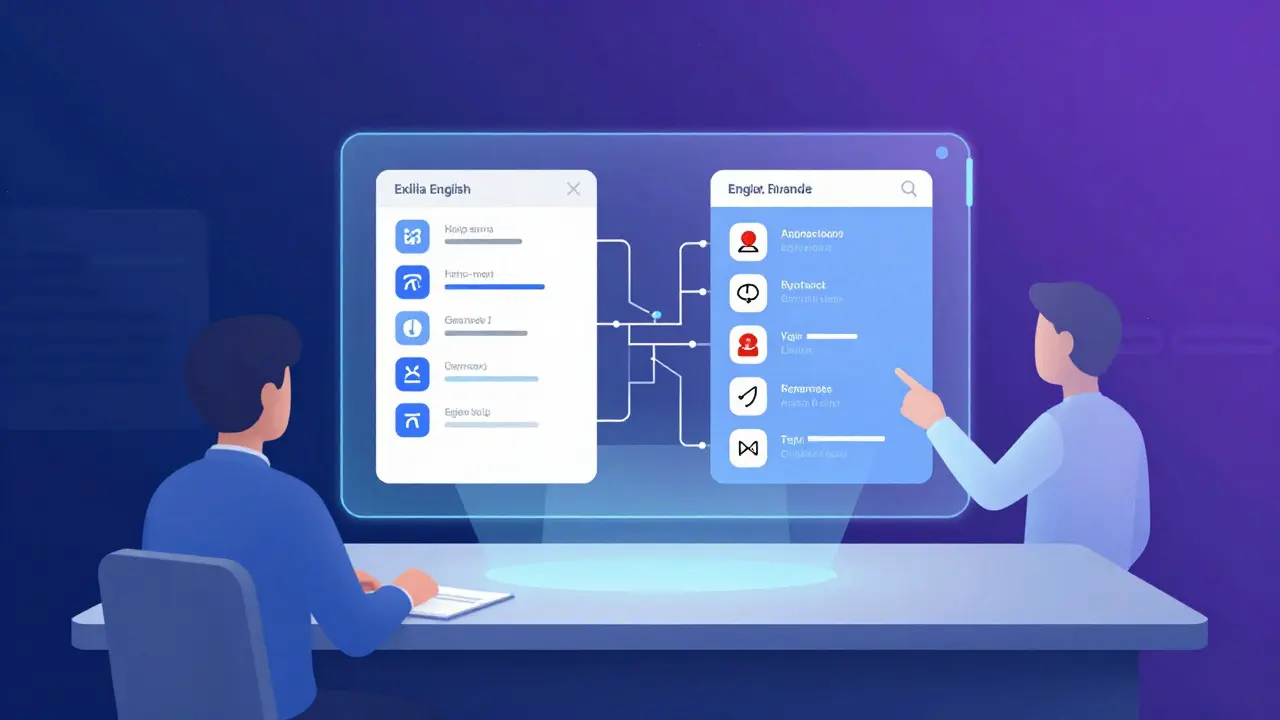
You might think there’s a central team translating everything. There isn’t. Instead, cross-language coordination relies on a mix of automated tools and human initiative. The most critical tool here is the Wikimedia Translation Tool, which allows editors to view an existing article in one language while writing in another. It doesn’t auto-translate perfectly, but it provides a side-by-side interface that speeds up the process significantly. Editors can copy structure, check facts against the source language, and adapt cultural context without switching tabs constantly.
Beyond software, human networks play a huge role. Many experienced editors are bilingual or trilingual. They act as bridges, not just by translating text, but by verifying sources. A German editor might notice that a claim in the English article lacks a reliable source in the German context, prompting a correction before the translation is finalized. This peer-review aspect across languages is what keeps quality high, even when speed is low.
| Method | Speed | Accuracy | Best Use Case |
|---|---|---|---|
| Manual Translation | Slow | High | Complex narratives, nuanced political analysis |
| Translation Tool | Medium | Medium-High | Factual updates, list expansions, infoboxes |
| Machine Translation (Post-Edit) | Fast | Variable | Initial drafts, urgent breaking news stubs |
Challenges Beyond Language Barriers
It’s not just about words. Different cultures frame events differently. What is considered a "neutral" description in one country might be seen as biased in another. For example, naming conventions for geographical features or historical figures can vary wildly. An editor translating a piece about a conflict zone must navigate these sensitivities carefully. If they miss a subtle cultural nuance, the article risks being flagged for bias by local readers who know the context better than the original author.
Source availability is another massive hurdle. Reliable sources in English don’t always exist in other languages, and vice versa. An editor working on the Japanese edition of an article about a European protest might find that the primary sources are only available in English. This forces them to either cite the English source (which some local guidelines discourage) or hunt for obscure local reports that might not carry the same weight. This friction slows down the entire coordination process.
Strategies for Faster Global Coverage
So, how do we fix this? The answer lies in better infrastructure and community habits. First, we need to normalize the use of machine translation for initial drafts. Instead of waiting for a perfect human translation, editors can publish a clearly marked "draft" using AI assistance. This gives readers immediate access to the core facts. Later, more fluent editors can refine the prose. This approach prioritizes accessibility over perfection in the critical first hour.
Second, we should invest in better interlanguage links. Currently, finding the corresponding article in another language can be hit-or-miss. Improving the algorithm that suggests related articles across languages would make it easier for editors to jump between versions. Imagine a dashboard that shows you which language versions of a breaking news story are outdated compared to the English version. That kind of visual cue could trigger immediate action from volunteers.
- Publish quick, fact-based stubs in multiple languages immediately after a major event.
- Use the Wikimedia Translation Tool for structured data like infoboxes and timelines.
- Create "coordination pages" on talk pages where editors from different languages discuss key points before finalizing translations.
- Encourage bilingual editors to lead on high-profile stories to ensure consistency across editions.
The Role of AI in Future Coordination
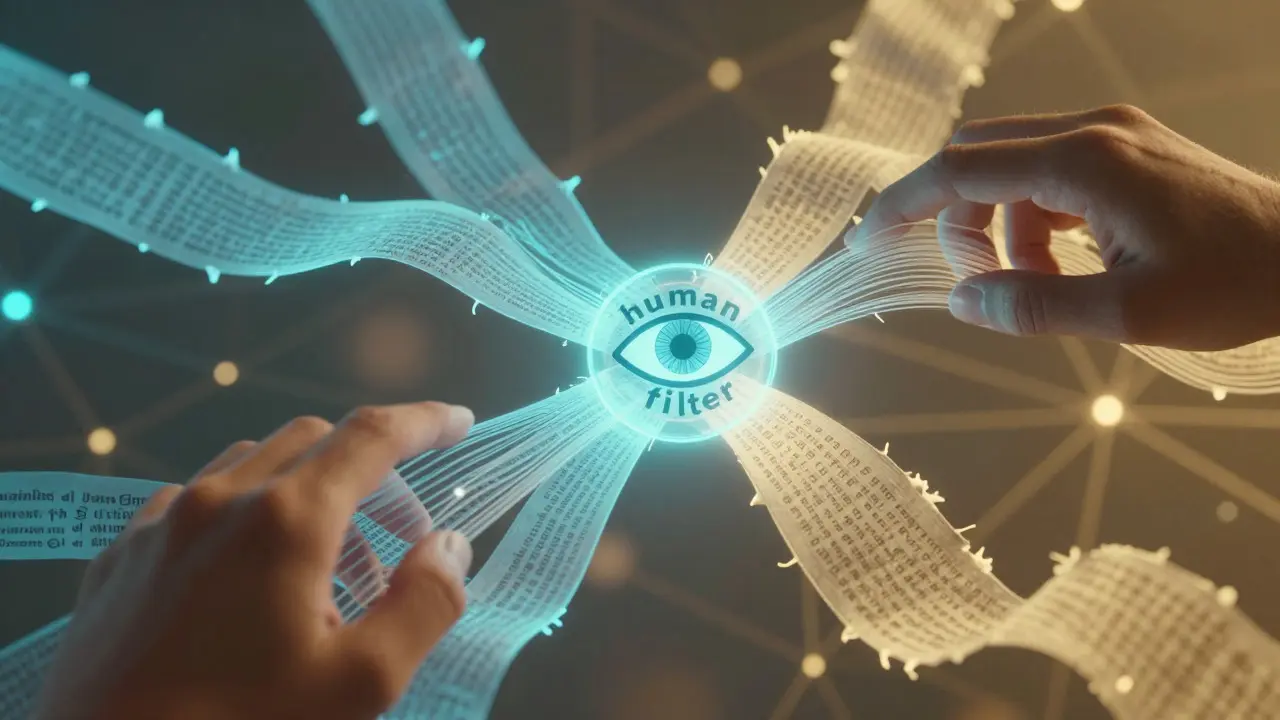
Artificial intelligence is changing the game. Large language models are getting better at maintaining tone and style across languages. In the near future, we might see real-time translation bots that update articles automatically as new sentences are added in the source language. However, humans will still be needed for verification. AI can handle the bulk of the text, but a human eye is required to catch factual errors or cultural missteps. The ideal workflow is a hybrid one: AI does the heavy lifting of translation, and humans focus on curation and accuracy.
This shift requires a change in mindset among editors. Many traditionalists worry that machine translation lowers quality. But in the context of current events, having *some* accurate information in your language is better than having none. As long as the limitations are clear to the reader, the value outweighs the risk.
Practical Steps for Editors and Readers
If you’re an editor, start small. Pick one language pair you’re comfortable with and set aside time during major news cycles to check if the articles are synced. You don’t have to translate whole essays. Just updating the lead paragraph or the latest developments can make a big difference. Use the talk page to communicate with editors in other languages. A simple message saying "I’m updating this section, please hold off on translating