Every week, millions of people turn to Wikipedia for answers - from the latest celebrity news to the science behind climate change. But not all pages get equal attention. Some articles explode in views overnight, while others sit quietly, even if they’re well-written. So what’s driving those spikes? And why do certain topics dominate the charts week after week?
What the Numbers Show
Last week, the top three most viewed Wikipedia articles were: Israel-Hamas war, 2024 United States presidential election, and Taylor Swift. These aren’t random picks. They reflect real-world events that grabbed global attention. The Israel-Hamas war article saw over 18 million views - more than double the second-place article. That’s not just curiosity. It’s people trying to understand what’s happening in real time.
The 2024 U.S. election article, even though the vote happened months ago, stayed high because of ongoing legal challenges, recounts, and media coverage. People keep going back to check facts, timelines, and candidate details. It’s not about the election itself anymore - it’s about the aftermath.
Taylor Swift’s article jumped after her new album dropped and her concert tour added more dates. Her page got over 12 million views in seven days. That’s not just fans. It’s journalists, students, and even non-fans looking up her background before writing or talking about her.
Why Some Articles Go Viral on Wikipedia
Wikipedia doesn’t have algorithms pushing content like YouTube or TikTok. But it still has trends - and they’re tied to news cycles. When something breaks, people search. And if they land on Wikipedia, they often stay because it’s neutral, detailed, and updated fast.
Three things make an article likely to trend:
- Timeliness - Events happening now. A death, a war, a natural disaster, a major announcement.
- Controversy - Topics with strong opinions, misinformation, or conflicting reports. People want clarity.
- Cultural momentum - Celebrities, movies, or viral moments that become part of public conversation.
Look at the 2023 article on AI-generated art. It spiked after Midjourney and DALL·E became mainstream. It wasn’t just tech nerds reading it. It was artists, lawyers, educators, and parents trying to understand what was happening.
Wikipedia doesn’t chase trends. But it’s the first place people go when they need a reliable summary. That’s why it becomes the default source during crises.
What Gets Ignored - Even When It Matters
Not all important topics trend. The article on global freshwater scarcity gets steady traffic - about 50,000 views a week. But it never spikes. Why? Because it’s not dramatic. There’s no single event to trigger a surge. No headline. No celebrity. No war.
Same with mental health treatment access in rural areas. It’s a critical issue. Millions are affected. But it doesn’t make headlines every day. So it stays buried in the middle of search results.
This creates a bias. Wikipedia’s most viewed pages don’t show what’s most important - they show what’s most talked about. And what’s talked about is often emotional, visual, or tied to power.
That’s why the article on Donald Trump gets over 5 million views weekly, even when he’s not in the news. He’s a constant presence in media. His page is a reference point for everything from politics to pop culture.
Who’s Reading These Articles?
It’s not just students doing homework. A 2024 study by the Wikimedia Foundation found that 62% of Wikipedia users are adults aged 25-54. Most are looking for quick, trustworthy answers during their day - on their phones, between meetings, while waiting in line.
Teachers use it to fact-check news stories. Doctors check it for rare disease symptoms. Journalists use it to get background before interviews. Even AI companies train their models on Wikipedia data because it’s one of the few free, structured, and neutral knowledge sources left.
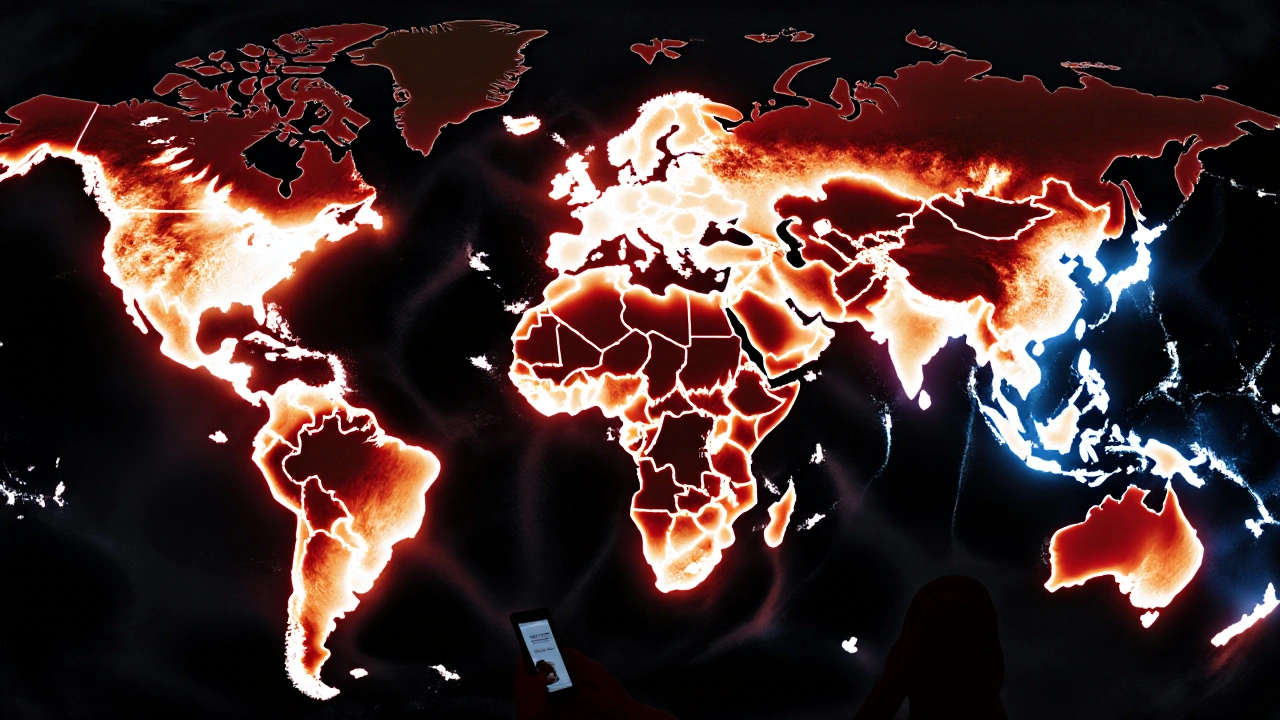
The top 100 most viewed articles last week came from 47 different countries. The biggest traffic came from the U.S., India, Brazil, Germany, and the UK. But the language matters. The English version of the Israel-Hamas war article had the most views - but the Arabic and Hebrew versions saw huge spikes too. People want to understand events in their own language.
How Wikipedia Updates So Fast
How does Wikipedia keep up with breaking news? It’s not automated. It’s volunteer editors - thousands of them - working in real time.
When a major event happens, like a plane crash or a political resignation, editors rush to update the article. They cite news outlets, official statements, and verified sources. They remove speculation. They flag disputed claims. They add timelines and maps.
For the Israel-Hamas war article, over 1,200 unique editors made edits in the past week. Most weren’t experts. They were regular people - a nurse in Toronto, a student in Jakarta, a retired teacher in Poland - all trying to make sure the information was accurate.
That’s why Wikipedia survives when other sites collapse under misinformation. It’s not perfect. But it’s built to correct itself.
What This Tells Us About How We Learn
Wikipedia’s most viewed pages are a mirror of the world’s anxieties, fascinations, and conflicts. They show what people are scared of, curious about, or confused by.
The fact that the top articles are about war, politics, and pop stars tells us something: we’re living in a time of uncertainty. People aren’t just looking for facts - they’re looking for context. They want to know how things connect. Why is this happening? Who’s involved? What does it mean?
Wikipedia gives them that. Not with opinions. Not with ads. Just with clear, structured, sourced information.
That’s why, even in 2025, with AI chatbots and social media feeds, Wikipedia still wins. It doesn’t try to entertain. It doesn’t push you to click more. It just answers the question you typed in - and then gets out of the way.
What’s Next?
Next week, the top articles could shift completely. A new election, a scientific breakthrough, a viral video, or a celebrity scandal could send a different page to the top. That’s the nature of Wikipedia - it’s alive. It changes with the world.
If you’re trying to understand what’s really happening right now, don’t just follow the headlines. Look at the Wikipedia traffic. The most viewed articles aren’t just popular. They’re the world’s collective questions - answered, one edit at a time.
Why do some Wikipedia articles get millions of views while others don’t?
Articles that get millions of views are usually tied to breaking news, major events, or pop culture moments. Things like wars, elections, celebrity deaths, or new movie releases trigger spikes. Articles about slow-moving issues - like climate policy or healthcare systems - get steady traffic but rarely spike because they lack sudden, dramatic triggers.
Is Wikipedia’s traffic data public?
Yes. The Wikimedia Foundation publishes weekly top article lists for each language version of Wikipedia. You can find them at stats.wikimedia.org. These lists show page views, country of origin, and changes from the previous week. They’re updated every Monday and are free for anyone to use.
Do editors get paid to update popular articles?
No. All Wikipedia editors are volunteers. Even when an article is trending and getting millions of views, the people updating it aren’t paid. Some work for institutions like universities or libraries, but most are everyday people who care about accuracy. The system relies on community effort, not financial incentives.
Can Wikipedia be trusted during fast-moving events?
Wikipedia is often one of the most reliable sources during fast-moving events because it requires citations from trusted outlets. Editors remove unverified claims quickly. While it’s not instant - there’s usually a 15-60 minute delay between a news report and a Wikipedia update - it’s more accurate than social media or even some news sites that rush to publish. It’s not perfect, but it’s designed to be correct, not fast.
Why does Taylor Swift’s page get more views than a major scientific discovery?
Because pop culture reaches more people faster. Taylor Swift has hundreds of millions of fans worldwide. When she releases new music or announces a tour, millions of people search for her name. Scientific discoveries, even groundbreaking ones, often affect smaller audiences. A new cancer treatment might save lives, but only doctors, patients, and researchers will look it up immediately. Pop culture has broader, more emotional appeal.