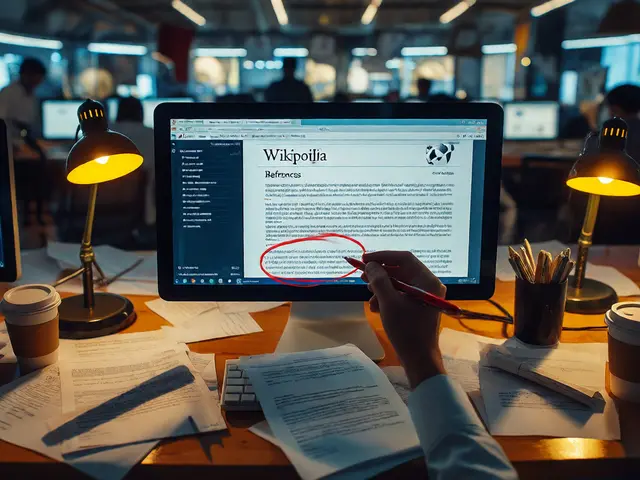
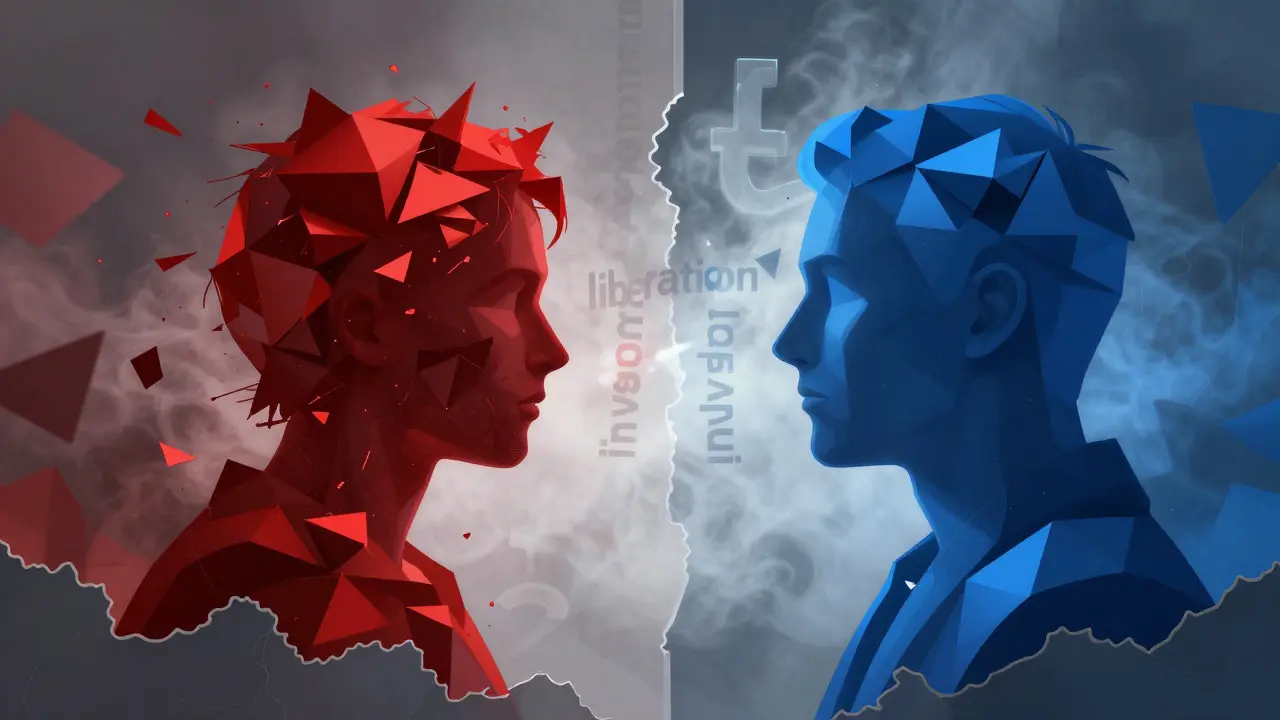
Imagine you are reading an article about a recent border skirmish. One side calls it a "liberation," while the other calls it an "invasion." Which word do you trust? On Wikipedia is a free online encyclopedia that relies on volunteer editors to maintain a neutral point of view (NPOV), this question comes up constantly. The goal isn't just to be polite; it's to present facts without pushing a narrative. If the language leans too hard toward one side, readers lose faith in the entire entry. Getting this right requires understanding how words carry weight and how consensus forms among thousands of contributors.
The Core Principle: What NPOV Actually Means
Neutral Point of View (NPOV) is the core policy guiding Wikipedia editors to represent significant viewpoints fairly, accurately, and proportionally. It doesn't mean being colorless or avoiding strong adjectives when sources use them. Instead, it means ensuring that if Source A uses a loaded term, Source B's perspective is also represented. For conflict zones, this is tricky because official statements often serve propaganda purposes. Editors must look past the press release and find independent academic or journalistic consensus. When two valid perspectives exist, both should appear with equal weight unless one is clearly the mainstream view supported by reliable sources.
Why Conflict Articles Are Minefields
War and political disputes attract passionate editors. This passion leads to edit wars, where users revert changes back and forth until the page locks. In these scenarios, language becomes a weapon. Terms like "terrorist" versus "freedom fighter" aren't just synonyms; they signal allegiance. To navigate this, editors rely on specific linguistic tools. You need to identify the central entity of the dispute-who is fighting whom-and then map the related entities, such as international observers, local populations, and historical precedents. Each of these groups has a different stake in the outcome, and their descriptions of events will vary. Ignoring any major group creates a bias gap.
Practical Strategies for Writing Neutral Text
Writing neutral copy involves active choices. Here is how experienced editors handle the toughest paragraphs:
- Attribute claims directly: Instead of saying "The army committed atrocities," write "According to Human Rights Watch, the army committed atrocities." This separates the fact from the interpretation.
- Use precise terminology: Avoid vague words like "bad" or "good." Use specific descriptors like "contested," "disputed," or "acknowledged."
- Balance adjectives: If one side is described as "aggressive," ensure the other side's actions are described with equivalent intensity if supported by sources.
- Cite primary sources carefully: Official government statements are primary sources but can be biased. Pair them with secondary analysis from neutral journals or news outlets.
These strategies help create a text that feels objective without being dry. The reader should feel informed, not lectured.
Common Pitfalls to Avoid
Even good-faith editors make mistakes. One common error is "false balance." If 90% of reliable sources agree on a fact, presenting the remaining 10% as an equal counter-argument distorts reality. Another pitfall is relying on outdated sources. A quote from a general in 2015 might not reflect the current situation in 2026. Always check the date of your citation. Finally, watch out for structural bias. If the section on one country is twice as long as the section on its neighbor, the layout itself implies importance or guilt, regardless of the wording.
How Consensus Is Reached
When editors disagree, they don't just vote. They discuss on talk pages, citing policies and examples. The community looks at precedent. How have similar conflicts been handled in the past? This consistency builds trust. If a new editor suggests a change, they must show that it aligns with existing standards. Over time, a shared vocabulary emerges for difficult topics. This isn't perfect, but it provides a stable framework for millions of readers who rely on the platform for quick, factual overviews.
| Biased Approach | Neutral Approach | Reasoning |
|---|---|---|
| "The rebels launched a surprise attack." | "Armed groups launched an offensive operation." | "Rebels" implies illegitimacy; "armed groups" is descriptive. |
| "The government crushed the protest." | "Security forces dispersed the demonstration." | "Crushed" is emotional; "dispersed" is factual. |
| "A heroic victory was achieved." | "The battle ended with a tactical withdrawal." | "Heroic" is subjective; "tactical withdrawal" describes movement. |

Tools and Resources for Editors
You don't have to guess what counts as neutral. Wikipedia has extensive documentation on style guides and tone. The "Manual of Style" offers specific advice on capitalization, dates, and tone. Additionally, community wikis track ongoing debates about specific regions. Joining these discussions helps you understand the context before making edits. Many veteran editors offer mentorship to newcomers, helping them refine their phrasing. Using these resources turns a guessing game into a structured process.
Frequently Asked Questions
Is it possible to be truly neutral on controversial topics?
True neutrality is an ideal, not always a reality. However, NPOV aims for fairness by representing all significant viewpoints proportionately. It acknowledges that some facts are contested and presents those controversies clearly rather than hiding them.
What happens if I use a biased term?
Other editors may revert your change or leave a comment on the talk page asking for a source. If no source supports the biased term, it will likely be changed to a more neutral alternative. Repeated violations can lead to temporary blocks from editing that specific article.
Do I need to cite every single sentence?
Not every sentence, but every claim that could be challenged needs a citation. General knowledge doesn't need citations, but specific details about wars, casualties, or political stances must be backed by reliable sources to prevent accusations of bias.
How do I handle one-sided sources?
If a source is known to be one-sided, attribute the information to that source explicitly. For example, "According to the state media, the event was..." This signals to the reader that the perspective is limited to that outlet's viewpoint.
Can I start a new article on a minor conflict?
Yes, but it must meet notability guidelines. You need multiple independent, reliable sources covering the topic. Starting small with well-sourced sections helps avoid early deletion and gives the article time to gain stability.