Ever stared at a Wikipedia article about a controversial political figure or a disputed scientific theory and thought, "This feels biased"? You are not alone. The concept of Neutral Point of View is an editorial policy that requires articles to present significant viewpoints fairly, proportionally, and without taking sides. It is the backbone of Wikipedia’s credibility. But achieving true neutrality is harder than it sounds. It isn't about being emotionless; it is about balancing sources, weighting claims by their prominence in reliable literature, and avoiding loaded language. If you edit Wikipedia, understanding these nuances separates a good editor from a great one.
What NPOV Actually Means (And What It Doesn’t)
Many people confuse neutrality with objectivity. In practice, Wikipedia is a collaborative online encyclopedia where contributors write and edit articles based on cited, verifiable sources. The goal is not to eliminate all bias, but to manage it through consensus and sourcing. When an article says, "The company was innovative," that is a subjective claim unless backed by specific evidence. When it says, "Three major tech publications named the company 'Innovator of the Year' in 2023," that is a neutral statement because it attributes the view to external sources.
NPOV also requires proportional representation. If 90% of reliable sources support one side of a debate, the article should reflect that weight. Giving equal space to a fringe minority view can actually create a false balance, which is a form of bias known as False Balance is a media phenomenon where two opposing views are presented as equally valid despite overwhelming evidence supporting one side. This is a common pitfall for new editors who think every opinion deserves equal airtime.
Practical Examples of Neutral Writing
Let’s look at concrete examples. Imagine you are editing an article about a local mayor who recently passed a controversial zoning law. A non-neutral approach might read: "The mayor recklessly approved the law, ignoring citizen protests." A neutral version would read: "The city council passed the zoning law on March 12, 2026. While supporters argued it would boost economic growth, critics cited potential environmental impacts. The decision led to three public hearings." Notice how the second version removes adjectives like "recklessly" and instead reports the actions and reactions factually.
Another example involves science. An article on climate change shouldn't say, "Global warming is happening." Instead, it should state, "The Intergovernmental Panel on Climate Change (IPCC) reports that global average temperatures have risen by 1.1°C since pre-industrial times." By citing the authoritative body, you remove your personal voice and let the data speak. This technique, often called Attribution is the act of crediting a source or author for a specific claim or idea, is crucial for maintaining trust.
Common Pitfalls That Break Neutrality
Even experienced editors fall into traps. One of the most frequent mistakes is using Loaded Language is words or phrases that carry emotional connotations beyond their literal meaning, such as 'shocking,' 'heroic,' or 'scandalous'. These words subtly push the reader toward a specific conclusion. Another trap is relying on Primary Sources are original documents or direct accounts, such as press releases, speeches, or interviews, rather than secondary analysis. For living subjects, primary sources are often too close to the event to be fully objective. A CEO’s press release announcing a product launch is a primary source; a journalist’s review of that product is a secondary source. Wikipedia generally prefers secondary sources for interpretation and context.
A third pitfall is Sourcing Bias is the tendency to cite only sources that align with a particular viewpoint, creating a skewed narrative. If you only cite left-leaning newspapers for a political article, the tone will skew left, even if individual sentences are factual. True NPOV requires a mix of high-quality sources from across the spectrum, weighted by their reliability and relevance to the topic.

How to Check Your Own Work for Bias
Before saving an edit, run a quick self-check. First, read the article aloud. Does any sentence sound like an opinion rather than a fact? Second, check your citations. Are they diverse? If all your sources are from the same publisher or political leaning, you need to broaden your search. Third, look for superlatives. Words like "best," "worst," "greatest," or "most influential" require strong, independent consensus. Without it, they violate NPOV.
You can also use the Talk Page is a forum associated with each Wikipedia article where editors discuss changes, disputes, and improvements. to gauge community sentiment. If other editors frequently flag your sections for bias, take the feedback seriously. Constructive criticism is the best tool for refining your neutral writing skills. Remember, NPOV is a moving target. As new research emerges, what was considered neutral yesterday might need updating today.
Comparing Neutral vs. Biased Phrasing
To make this clearer, here is a comparison of common phrasing errors and their neutral alternatives. This table highlights how small word choices can drastically change the perceived tone of an article.
| Context | Biased Phrasing | Neutral Phrasing | Why It Works |
|---|---|---|---|
| Political Election | The candidate shockingly won the election. | The candidate won the election, surprising many pollsters. | Removes emotional adjective "shockingly" and attributes surprise to experts. |
| Scientific Discovery | This proves that the old theory was wrong. | New data challenges the prevailing model, suggesting alternative mechanisms. | Uses cautious language appropriate for ongoing scientific debate. |
| Corporate Scandal | The CEO lied to investors. | The SEC found that the CEO made misleading statements to investors. | Cites the regulatory body's finding rather than asserting intent directly. |
| Historical Event | The war was a disaster for the country. | The war resulted in significant economic loss and social disruption. | Focuses on measurable outcomes rather than subjective judgment. |
Advanced Tips for Maintaining Consensus
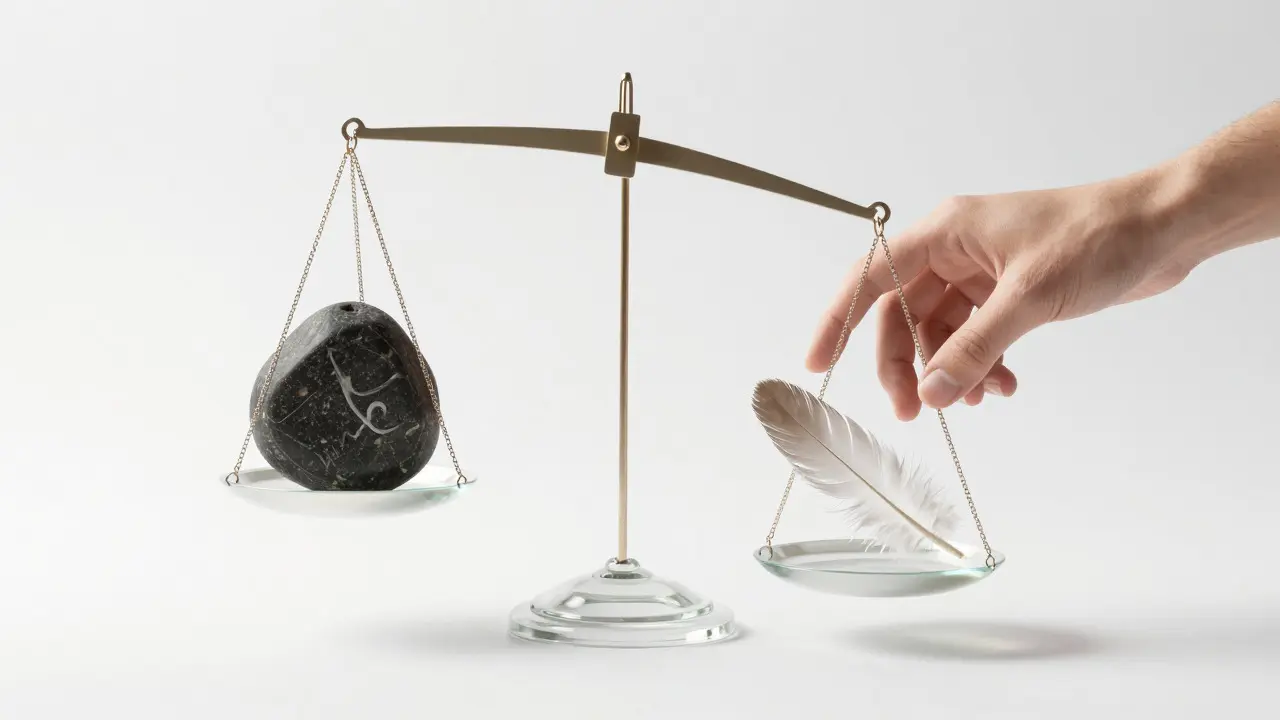
Maintaining NPOV isn't just about writing; it's about collaboration. When you disagree with another editor's interpretation, avoid editing wars. Instead, start a discussion on the Talk Page. Present your sources clearly. Ask questions like, "Do we have a reliable source that supports this weight given to this minor viewpoint?" Often, the solution is simply adding more sources to balance the section. If consensus remains elusive, consider splitting the article into separate sections for different perspectives, provided those perspectives are significant enough to warrant standalone coverage.
Also, keep an eye on Notability is a set of criteria used to determine whether a subject is worthy of its own Wikipedia article. Sometimes, bias creeps in because the subject itself is not notable enough for a main article. Merging content into a broader, more established article can resolve disproportionate focus on niche details.
Frequently Asked Questions
Is Wikipedia truly neutral?
Wikipedia aims for neutrality through its NPOV policy, but it is a human-made project. Bias can slip in, especially in contentious topics. However, the peer-review-like process of multiple editors checking work helps mitigate extreme bias compared to single-author blogs.
What is the difference between NPOV and Objectivity?
Objectivity implies a complete absence of bias, which is nearly impossible for humans. NPOV is a practical standard that requires presenting significant viewpoints fairly and proportionately, acknowledging that some degree of selection bias exists in source choice.
Can I include my own opinion in a Wikipedia article?
Generally, no. Unless your opinion is part of a published, reliable source (like a book or journal article), it should not appear in the main text. Original research is discouraged because it lacks independent verification.
How do I handle a topic with only one reliable source?
If a topic has only one reliable source, the article may lack depth or notability. You can merge it into a broader article or mark it as needing more citations. Avoid expanding it significantly until more sources are found to ensure stability.
What should I do if I see biased language in an article?
First, check the talk page to see if others have noticed. Then, make a small, well-sourced edit to correct the language. If the issue persists, leave a polite note on the editor's talk page explaining why the change was made, referencing the NPOV guideline.