Wikipedia doesn’t ask for your name, email, or phone number to edit articles. That’s not an accident. It’s by design. Since its launch in 2001, Wikipedia has built its credibility not on who you are, but on what you contribute. And to make that possible, it protects your identity harder than most social media platforms protect your selfies.
Why Wikipedia Doesn’t Require Accounts
You can edit Wikipedia without logging in. That’s still true today. Anyone with an internet connection can fix a typo, add a fact, or rewrite a misleading paragraph - no registration, no password, no profile. Behind the scenes, the system assigns your device a temporary IP address. That’s it. No name, no email, no traceable identity.This wasn’t just a technical shortcut. It was a philosophical choice. The founders believed that knowledge should be open to everyone, regardless of whether they wanted to be known. Requiring accounts would have blocked students in restrictive countries, activists under surveillance, or anyone who didn’t trust corporations with their data.
By 2013, over 40% of all edits came from unregistered users. That number has dropped slightly since then - not because the policy changed, but because more people now choose to create accounts for the convenience of talk pages, watchlists, and edit histories. But the option to edit anonymously remains untouched.
What Data Does Wikipedia Actually Collect?
Wikipedia doesn’t track you like a commercial website. There are no ads. No behavioral profiling. No selling your data. The Wikimedia Foundation, which runs Wikipedia, is a nonprofit. Its budget comes from small donations - not from advertisers or data brokers.When you edit, the system logs:
- Your IP address (if you’re not logged in)
- The time and date of your edit
- The page you edited
- The changes you made (diffs)
- Your browser type and operating system (for technical troubleshooting)
That’s it. No location data. No device fingerprints. No cookies for tracking. Even the cookies they use are strictly functional - like remembering if you’ve dismissed a banner or keeping you logged in during a session. No third-party trackers. No Google Analytics. No Facebook Pixel.
These logs exist for one reason: to fight vandalism and abuse. If someone starts deleting articles or adding spam, admins can see which IP addresses are involved. But they don’t use that data to identify individuals unless there’s a legal demand or a serious threat.
How Wikipedia Hides Your IP Address
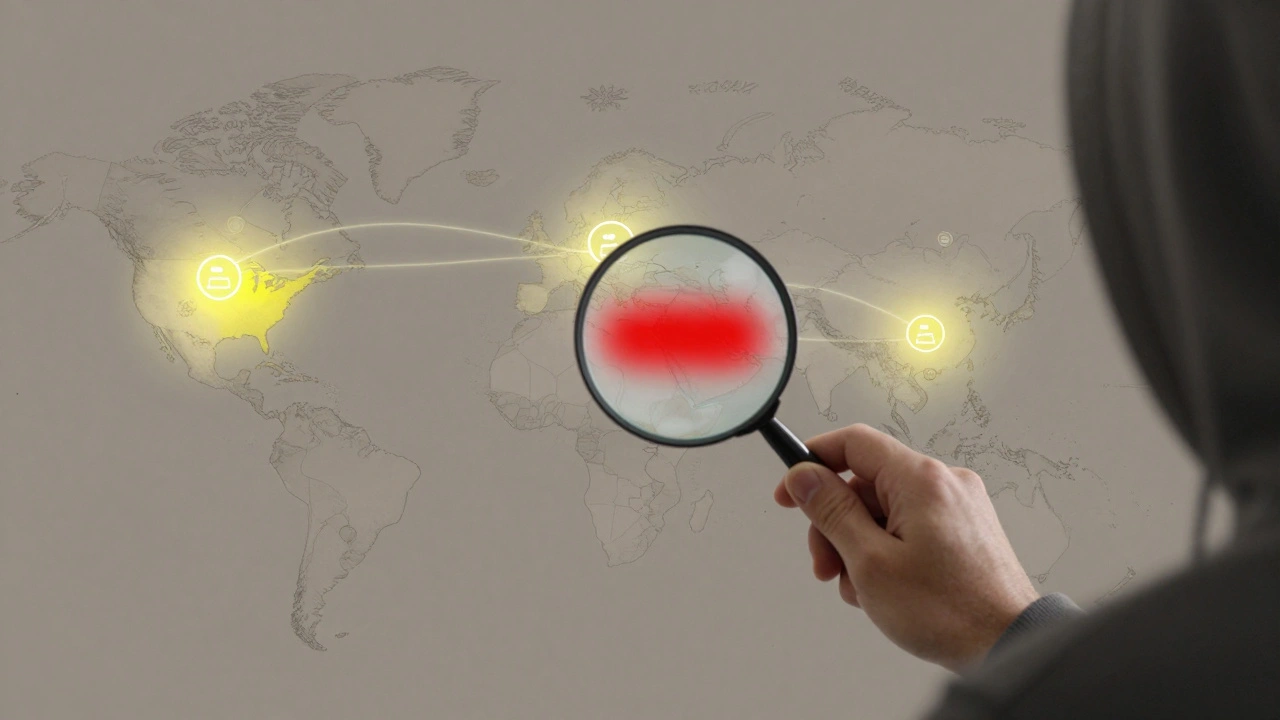
In 2021, Wikimedia rolled out a major upgrade to protect anonymous editors. Before that, anyone could look up the IP address of any anonymous edit - even if they weren’t an admin. That meant a journalist in China editing a page about Tiananmen Square could be traced back to their home network.Now, IP addresses are hidden from the public. Only trusted volunteers with special permissions - called CheckUsers - can see them. And even they can’t access them unless there’s a clear violation: spam, harassment, sockpuppeting, or coordinated disruption. The system requires documented justification. Every access is logged and reviewed.
This change didn’t happen overnight. It came after years of pressure from privacy advocates, digital rights groups, and editors in authoritarian countries. In 2019, the Electronic Frontier Foundation published a report warning that IP visibility endangered editors in places like Iran, Russia, and Saudi Arabia. Wikimedia responded by accelerating their roadmap.
Today, if you’re editing anonymously, your real IP is invisible to everyone except a handful of trained volunteers who are bound by strict confidentiality rules. Even then, they can’t share that data outside the Wikimedia community unless legally required.
What Happens If You Create an Account?
If you sign up, you trade anonymity for convenience. Your username becomes your public identity. Your edit history is tied to that name. People can see how long you’ve been editing, what topics you focus on, and whether you’ve been blocked before.But your real identity? Still hidden. Wikipedia doesn’t ask for your legal name, address, or government ID. Even your email is encrypted and never shown publicly. The only thing linking your account to your real self is the password you chose - and even that is stored as a hashed value, not plain text.
Wikipedia’s privacy policy explicitly says: “We do not sell or rent your personal information.” That includes your username, edit history, and any contact details you provide during registration. The Foundation can’t even access your email unless you ask them to reset your password.
There’s one exception: if law enforcement presents a valid legal request - like a court order or subpoena - the Foundation may be forced to hand over account information. But that’s rare. In 2023, Wikimedia received 17 legal requests worldwide. They complied with only 3. In every case, they notified the user first, unless legally prohibited.
How Editors Stay Safe in High-Risk Regions
In countries where editing Wikipedia can be dangerous - whether you’re correcting misinformation about the government or documenting human rights abuses - the community has built tools to help.Wikipedia supports Tor access. You can edit using the Tor browser, which routes your traffic through multiple encrypted layers. Your IP becomes untraceable. Even CheckUsers can’t see your real location.
Some editors use virtual private networks (VPNs). While not officially endorsed, the Foundation doesn’t block them. They know that for many, a VPN isn’t a luxury - it’s a necessity.
There’s also the “Oversight” tool. If an edit contains personally identifying information - like a home address, phone number, or real name - trained volunteers can permanently hide it from public view. Even admins can’t see it unless they have special clearance. This isn’t censorship. It’s damage control. It stops doxxing before it starts.

What’s Changed Since 2015?
Wikipedia’s privacy policy has evolved - not because it wanted to, but because the world changed.In 2015, the EU passed the GDPR. Wikipedia had to adapt. They updated their policy to include clearer language about data retention, user rights, and international transfers. They also stopped storing IP addresses for more than 90 days for unregistered users - unless needed for an active investigation.
In 2020, after the U.S. Supreme Court decision in *Dobbs v. Jackson*, editors in states with abortion bans started editing medical pages. Many feared their IP addresses could be used to track them. Wikimedia responded by reducing IP retention even further and expanding Tor support.
Today, Wikipedia’s privacy standards are stricter than most commercial platforms. They don’t just comply with laws - they try to exceed them. The policy is written in plain language. It’s publicly accessible. And it’s reviewed every two years by the community, including privacy lawyers, journalists, and editors from over 50 countries.
Why This Matters Beyond Wikipedia
Wikipedia’s approach isn’t just about protecting editors. It’s a model for how public knowledge platforms should operate.Most websites assume you want to be known. They push you to sign up, connect your social media, and share your preferences. Wikipedia assumes you want to be left alone - unless you choose otherwise.
That’s radical. And it’s working. Despite having no ads, no paid staff for moderation, and no corporate backing, Wikipedia remains the world’s most trusted source of general knowledge. Part of that trust comes from knowing your edits won’t be used against you.
If you’ve ever edited a Wikipedia page - even once - you helped build something rare: a public space where truth can be added without fear.
Can someone find my real name from my Wikipedia edits?
No, not unless you give it to them. If you edit anonymously, your real identity is hidden behind your IP address - and even that is protected from public view. If you create an account, your username is public, but your legal name, email, or location are never disclosed. The Wikimedia Foundation doesn’t collect or store that information.
Does Wikipedia track my browsing history outside the site?
No. Wikipedia doesn’t use tracking cookies, pixels, or analytics tools that follow you across the web. The only data collected is from your interaction with Wikipedia itself - like edits, page views, and login attempts. Your activity on other sites remains completely private.
Can law enforcement access my editing history?
Only with a valid legal order, and even then, it’s rare. The Wikimedia Foundation reviews every request and only complies when legally required. In 2023, they received 17 requests and complied with just 3. They notify users first unless legally blocked from doing so.
Is it safe to edit Wikipedia in a country with strict internet laws?
It’s safer than most platforms, but not risk-free. Editing anonymously with Tor offers strong protection. Many editors in high-risk regions use Tor to hide their location. The Foundation also allows Oversight tools to remove personally identifying information from edits. Still, no system is 100% foolproof - and local laws may override digital protections.
Why doesn’t Wikipedia just require accounts to improve accountability?
Because requiring accounts would exclude millions of people who can’t or won’t register - students without emails, activists under surveillance, people in countries where internet access is monitored, or those who simply value privacy. Accountability comes from community review, not identity verification. Wikipedia’s system works because edits are judged on content, not credentials.