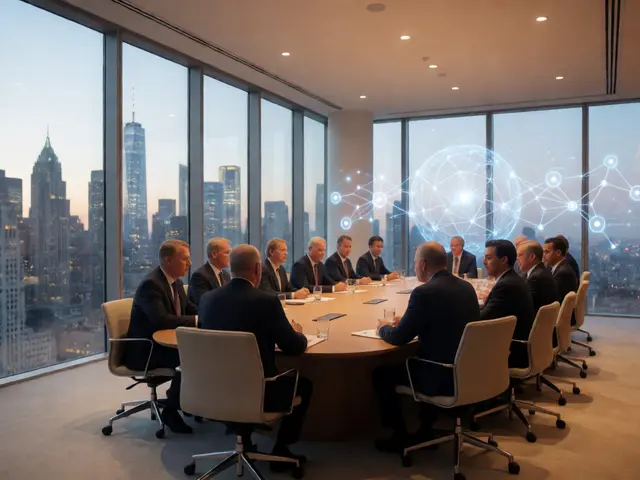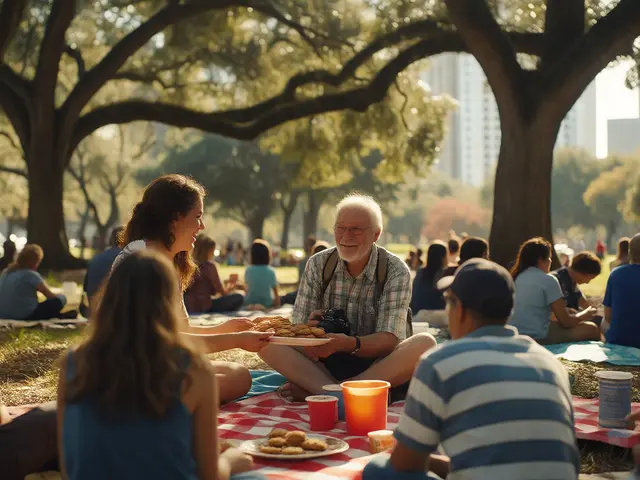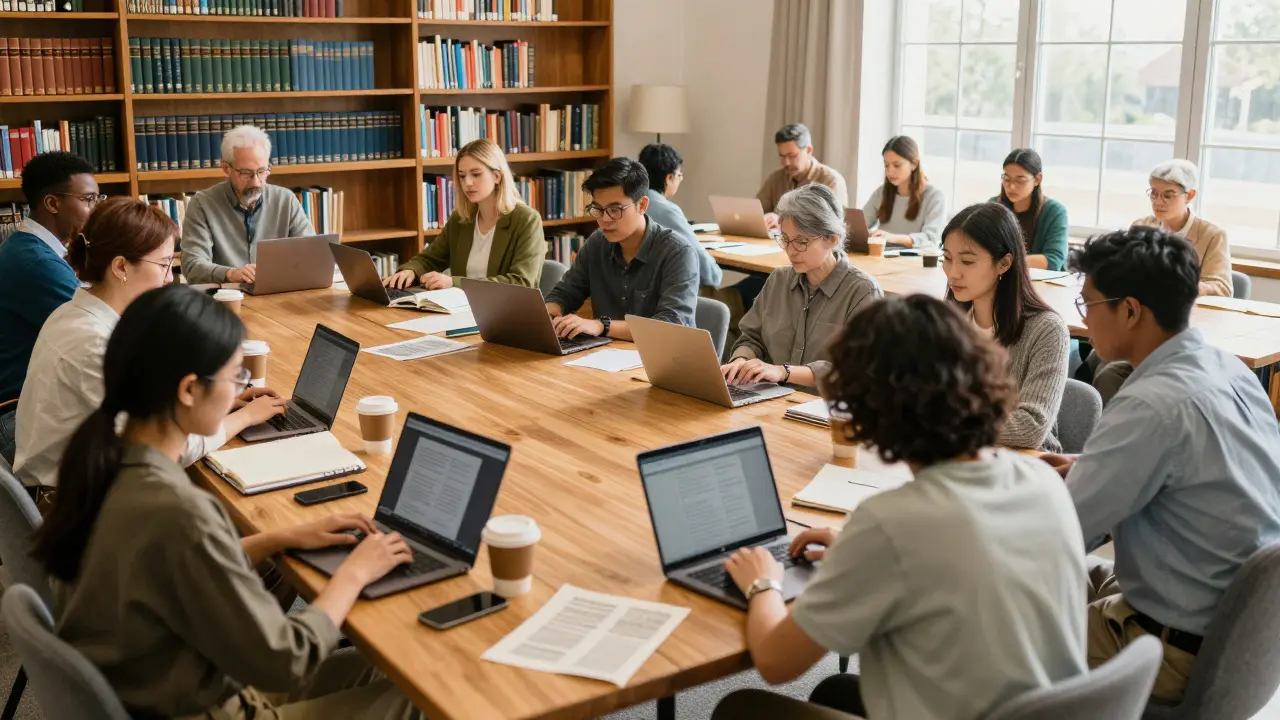
Imagine walking into a local library or coffee shop where strangers gather not to discuss politics or sports, but to fix typos in historical records and upload photos of forgotten local landmarks. This is the reality of Wikipedia meetups is a global network of informal gatherings dedicated to improving the free encyclopedia through collaborative editing, photography, and community building. In 2026, these regional events have evolved from niche tech circles into vital hubs for civic engagement, connecting historians, photographers, and students who believe that accurate information should be accessible to everyone.
The core problem these groups solve is simple yet profound: local history often gets lost in digital archives because no one takes the time to digitize it properly. Regional meetups bridge this gap by organizing focused editing sprints and photo walks. For example, the Midwest chapter in Madison recently spent an entire Saturday verifying dates in Civil War-era military unit pages, correcting errors that had persisted for over a decade. These aren't just about fixing grammar; they are about preserving the factual backbone of public knowledge.
What Happens at a Regional Meetup?
A typical meetup follows a structured yet flexible format designed to maximize output while keeping the atmosphere friendly. Most events begin with a brief introduction for newcomers, explaining how to create an account, read edit summaries, and avoid common pitfalls like vandalism or bias. The main activity usually splits into two tracks: editing sessions and photography missions.
- Editing Sprints: Participants select specific articles related to their region-such as local businesses, parks, or notable residents-and work on adding citations, expanding biographies, or cleaning up formatting. Tools like the Visual Editor make this accessible even for those without HTML knowledge.
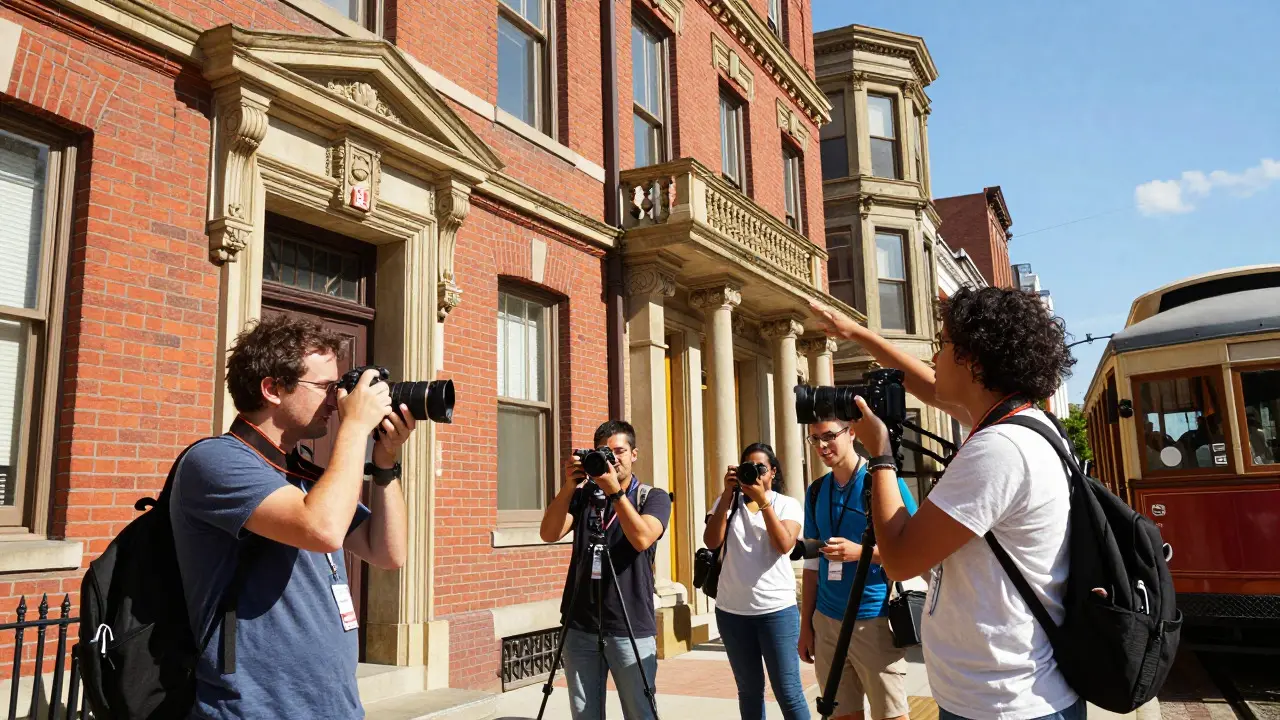
- Photo Walks: Groups head outdoors to capture images of buildings, monuments, or natural features that lack high-quality visuals on Wikimedia Commons. These photos must comply with fair use or Creative Commons licensing rules to be accepted.
- Mentorship Circles: Experienced editors pair with beginners to review changes in real-time, ensuring quality control before publishing.
This hands-on approach turns abstract concepts like "open source" into tangible actions. You don't just read about collaboration; you experience it by merging your edits with someone else's in real-time.
Photo Highlights: Capturing Local Heritage
One of the most rewarding aspects of recent meetups has been the surge in high-quality photography. In early 2026, the Pacific Northwest group uploaded over 300 new images of historic streetcars and architectural details that were previously missing from major city articles. These photos serve a dual purpose: they enhance visual appeal and provide evidence for factual claims about construction dates or material usage.
| Activity Type | Primary Goal | Typical Output | Time Commitment |
|---|---|---|---|
| Editing Sprint | Improve text accuracy and citations | 10-50 article revisions per person | 2-4 hours |
| Photo Walk | Add visual media to articles | 5-15 licensed images per participant | 3-5 hours (including travel) |
| Transcription Day | Digitize scanned documents | 20-30 pages transcribed per person | 2-3 hours |
Photographers at these events learn quickly that context matters. A photo of a building isn't enough; you need metadata describing its location, architect, and historical significance. This attention to detail ensures that the image becomes a reliable resource rather than just decorative content. Many participants report feeling a sense of pride when they see their photos featured in the "Featured Article" spotlight on the main page months later.
Community Impact Beyond the Screen
The impact of Wikimedia chapters extends far beyond the digital realm. By bringing together diverse groups-retired teachers, college students, IT professionals, and local librarians-meetups foster social connections that might not otherwise form. In cities like Chicago and Austin, these events have become regular fixtures on the cultural calendar, attracting hundreds of attendees each quarter.
Moreover, these gatherings empower communities to correct misconceptions. For instance, a group in the American South recently collaborated to update articles on indigenous land histories, working directly with tribal historians to ensure respectful and accurate representation. This level of nuance is rarely achieved through solo editing efforts, highlighting the power of collective expertise.
Educational institutions also benefit significantly. Universities often partner with local meetups to offer service-learning credits for students who contribute to Wikipedia projects. This creates a pipeline of young contributors who understand the importance of peer-reviewed, open-access knowledge.
How to Get Involved in Your Area
If you're curious about joining a regional meetup, the process is straightforward. Start by checking the official Wikimedia Meta-Wiki for a list of active chapters near you. Most groups maintain social media pages or mailing lists where they announce upcoming events. When attending your first meetup, come prepared with a laptop or tablet, though many venues provide Wi-Fi and charging stations.
- Prepare a Topic: Identify a local subject you know well. It’s easier to contribute meaningfully if you have prior knowledge or access to sources.
- Bring Photos: If you’re a photographer, bring images of local landmarks that you’ve already taken. You can help others license them correctly.
- Ask Questions: Don’t hesitate to ask experienced editors for advice. The culture is supportive, and mistakes are part of the learning process.
Remember, you don’t need to be an expert to participate. Even small contributions, like fixing a broken link or adding a citation, make a difference. The goal is progress, not perfection.

Challenges and How the Community Solves Them
No volunteer effort is without its hurdles. One common challenge is maintaining momentum between meetings. To combat this, many regional groups use online tools like Discord or Slack to stay connected. They share tips, celebrate milestones, and coordinate remote editing days during bad weather.
Another issue is balancing speed with quality. While enthusiasm is high, rushing edits can lead to conflicts or reverts. Experienced organizers mitigate this by setting clear guidelines for each session, such as focusing on specific categories or requiring double-checking of facts. This structure ensures that every contribution adds value without causing chaos.
Funding is another consideration. While most meetups are low-cost, larger events may require grants for venue rental or printing materials. Many groups apply for small grants from local libraries or civic organizations, which helps sustain long-term activities.
Future Directions for Regional Events
Looking ahead, regional meetups are integrating more technology to enhance participation. Virtual reality tours of local sites are being tested to help remote contributors visualize what they’re editing. Additionally, AI-assisted tools are helping identify gaps in coverage, suggesting which articles need the most attention based on traffic data and reader feedback.
As we move further into 2026, the focus remains on inclusivity. Efforts to translate interface elements and content into more languages are accelerating, ensuring that non-English speakers can fully participate. This global perspective strengthens local efforts by connecting them to a broader movement for open knowledge.
Ultimately, these meetups remind us that the internet isn’t just a place to consume information-it’s a space where we can actively shape it. Whether you’re fixing a date, uploading a photo, or mentoring a newcomer, your contribution helps build a more accurate and accessible world.
Do I need to be an expert editor to join a Wikipedia meetup?
No, absolute beginners are welcome. Most meetups include introductory sessions for new participants, and experienced editors are available to help with basic tasks like creating accounts and making simple edits.
What kind of photos are best for contributing to Wikipedia?
High-resolution images of local landmarks, historical buildings, or notable people are ideal. Ensure the photos are clearly labeled with location and context, and check licensing requirements to confirm they can be used under Creative Commons or Public Domain terms.
How often do regional meetups take place?
Frequency varies by region, but most active chapters hold events monthly or quarterly. Some larger cities host weekly micro-sessions, while rural areas may meet less frequently due to lower population density.
Can I contribute remotely if I miss a physical meetup?
Yes, many groups organize virtual editing days via video conferencing. You can also join online communities to collaborate asynchronously, sharing your work for feedback from other members.
Why is local history important to preserve on Wikipedia?
Local history provides context for national narratives and helps preserve unique cultural heritage. Accurate local articles support education, tourism, and civic pride, ensuring that community stories are not lost to time or misinformation.