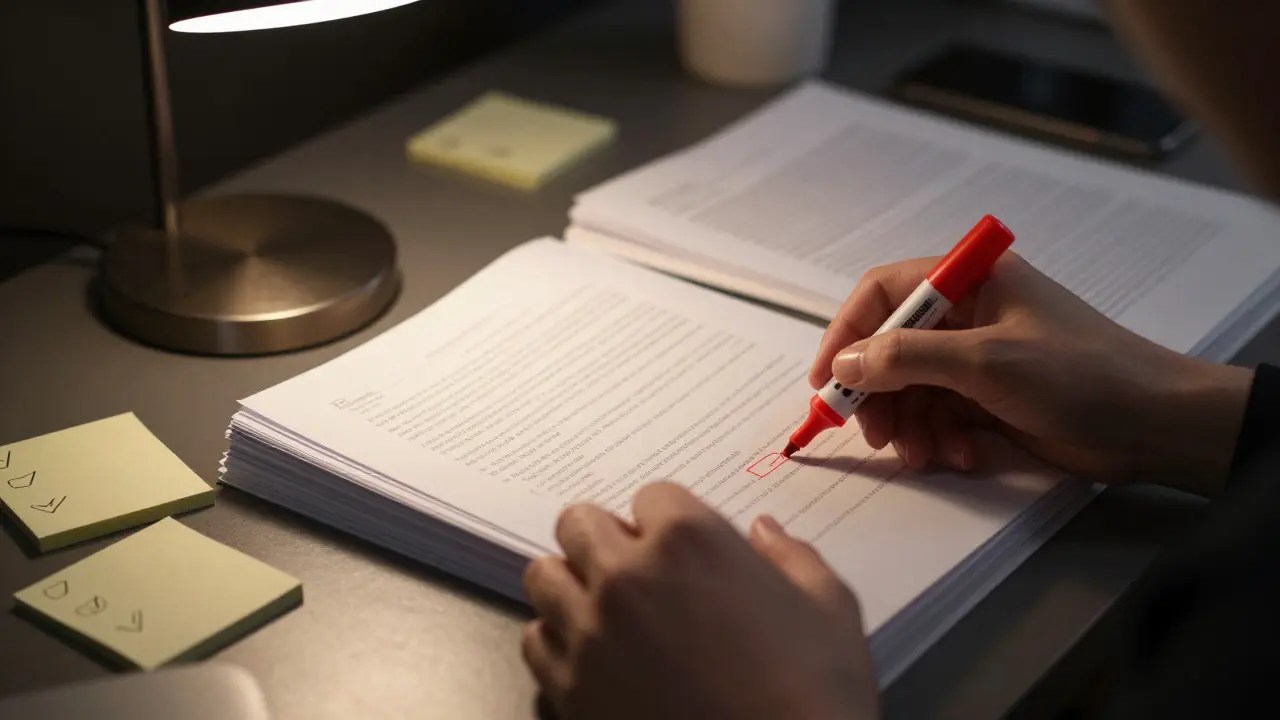
Imagine publishing a guide on investing that cites a statistic from a blog post written by an anonymous user. Or a health article claiming a specific herb cures insomnia, based solely on a viral social media thread. It happens more often than you’d think. In an era where anyone with a smartphone can publish to the world, source verification has shifted from a nice-to-have journalistic standard to the absolute foundation of any credible content.
Without rigorous checking, your audience doesn’t just lose trust in one piece of writing; they question everything else you produce. Whether you are a professional editor, a freelance writer, or a brand manager overseeing a content strategy, understanding how to verify sources is the single most effective lever you have for maintaining high-quality output. It’s not about being paranoid-it’s about respecting your reader’s time and intelligence.
Why Source Verification Is the New Gatekeeper
We used to rely on gatekeepers like newspaper editors or academic reviewers to filter out bad information. Today, that filter is often missing. Algorithms push content based on engagement, not accuracy. This creates a vacuum where unverified claims can spread faster than corrections.
For content creators, this means the burden of proof has moved upstream. You are now the first line of defense. When you cite a source, you are implicitly vouching for its reliability. If that source turns out to be biased, outdated, or simply wrong, the error becomes yours. This shift requires a proactive approach rather than a reactive one. You need to ask questions before you write, not after someone points out an error in the comments section.
The cost of getting it wrong extends beyond reputation. In legal contexts, poor sourcing can lead to defamation suits. In business, it can erode customer confidence. Even in casual blogging, it leads to ad fatigue as audiences learn to ignore brands they perceive as sloppy. Verification isn't just ethical; it's risk management.
Anatomy of a Reliable Source
Not all sources are created equal. A common mistake is treating every website with a .edu or .gov extension as automatically trustworthy, or dismissing anything without a peer-review stamp as junk. Reality is more nuanced. To evaluate a source effectively, you need to look at three core attributes: authority, currency, and bias.
- Authority: Who is speaking? Do they have expertise in this specific field? A cardiologist explaining heart health carries different weight than a general practitioner discussing cardiac surgery. Check their bio, their previous work, and their institutional affiliation.
- Currency: When was the data collected? For fast-moving topics like technology or public health guidelines, a study from five years ago might be obsolete. Always check publication dates and update cycles.
- Bias: What is the source’s agenda? A pharmaceutical company funding a drug trial is inherently different from an independent university lab. This doesn't mean corporate sources are always wrong, but it means you must read them with a critical eye.
Consider the difference between a primary source and a secondary source. A primary source is original data-like a raw survey dataset or a court transcript. A secondary source interprets that data-like a news article summarizing the survey results. For high-stakes content, always try to trace back to the primary source. Secondary sources can introduce interpretation errors or selective quoting that distorts the truth.
The Practical Workflow for Fact-Checking
Verification shouldn't feel like detective work that takes hours per paragraph. With a structured workflow, it becomes a routine part of the drafting process. Here is a practical method that balances speed with thoroughness.
- Identify the claim: Highlight every factual statement in your draft. Distinguish between opinions (which don't need citation) and facts (which do).
- Locate the origin: Find the earliest reliable instance of that claim. Use reverse image search for photos, and database searches for statistics.
- Cross-reference: Find at least two other independent sources that corroborate the claim. If only one source reports it, dig deeper. Why is it unique?
- Check the context: Does the source quote the expert correctly? Are there caveats or limitations mentioned in the original paper that the secondary source ignored?
- Document your trail: Keep a simple spreadsheet or note file with links to your sources. This makes editing easier and provides proof of diligence if challenged later.
This process might seem tedious at first, but it gets faster with practice. Tools like plagiarism checkers and fact-checking databases can assist, but they aren't replacements for human judgment. An algorithm can tell you if two sentences match, but only you can decide if the context fits your narrative accurately.
Common Pitfalls That Undermine Quality
Even experienced writers fall into traps that compromise their credibility. Recognizing these patterns early helps you avoid them.
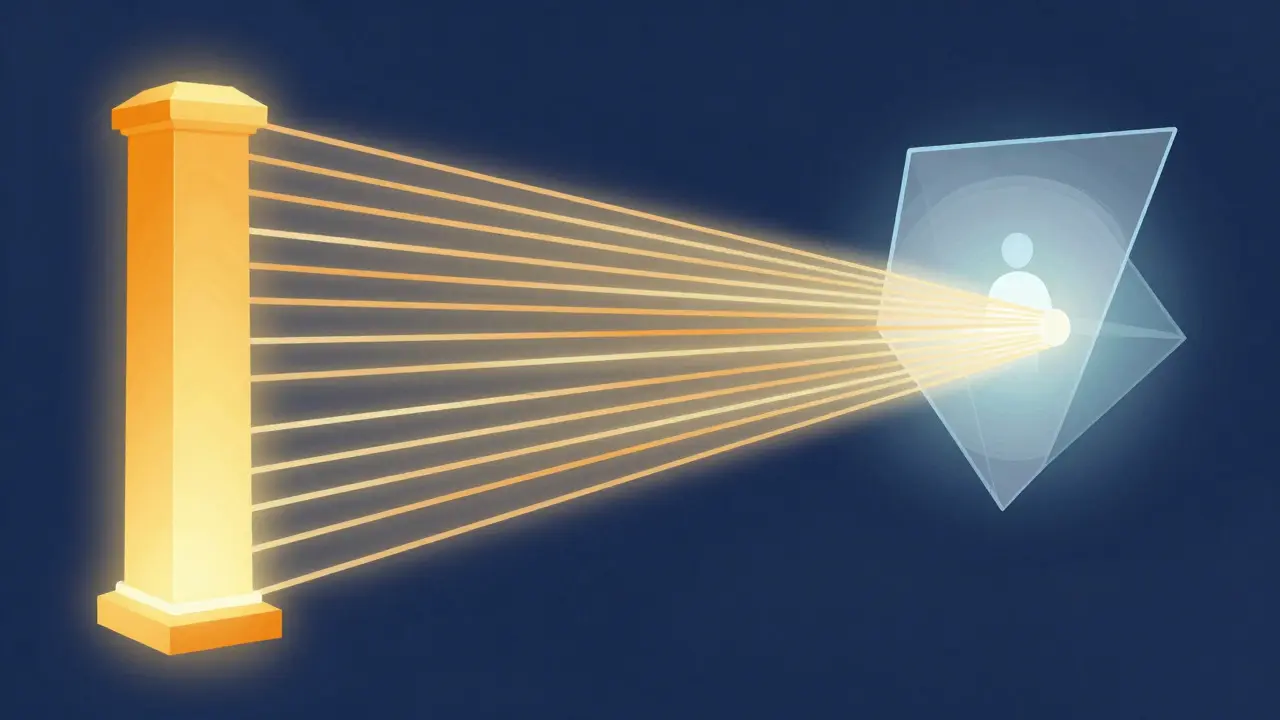
Confirmation Bias is the biggest enemy. We tend to search for sources that agree with our preconceived notions. If you believe a new diet works, you’ll find ten articles saying so. But if you actively search for counter-evidence, you might find three strong studies showing it doesn't. True verification requires looking for disconfirming evidence, not just confirming it.
Recency Bias is another trap. We assume newer is better. However, sometimes older, well-established theories are more robust than flashy new trends. A classic economic model from the 1990s might still be the most accurate predictor today, even if a 2026 blog post suggests otherwise. Judge the source on merit, not just date.
Over-reliance on Authority can also mislead. Just because a famous scientist says something doesn't make it true in every context. They might be speaking outside their area of expertise. Always verify that the expert is qualified for the specific claim being made.
Comparison: Primary vs. Secondary Sources
To help you decide which type of source to prioritize, here is a breakdown of their strengths and weaknesses.
| Feature | Primary Source | Secondary Source |
|---|---|---|
| Definition | Original data or direct account | Interpretation or summary of primary data |
| Examples | Surveys, interviews, lab results, legal documents | News articles, meta-analyses, textbooks, blogs |
| Advantage | No interpretation layer; highest fidelity to raw data | Easier to understand; synthesizes complex information |
| Risk | Can be dense, technical, or hard to access | Potential for misinterpretation, bias, or outdated info |
| Best Used For | High-stakes claims, scientific facts, legal matters | Context, background, historical overviews |
In practice, the best content uses both. Use secondary sources to build your narrative and understand the landscape, then use primary sources to anchor your key facts. This hybrid approach ensures your writing is accessible yet rigorous.
Building a Culture of Verification in Teams
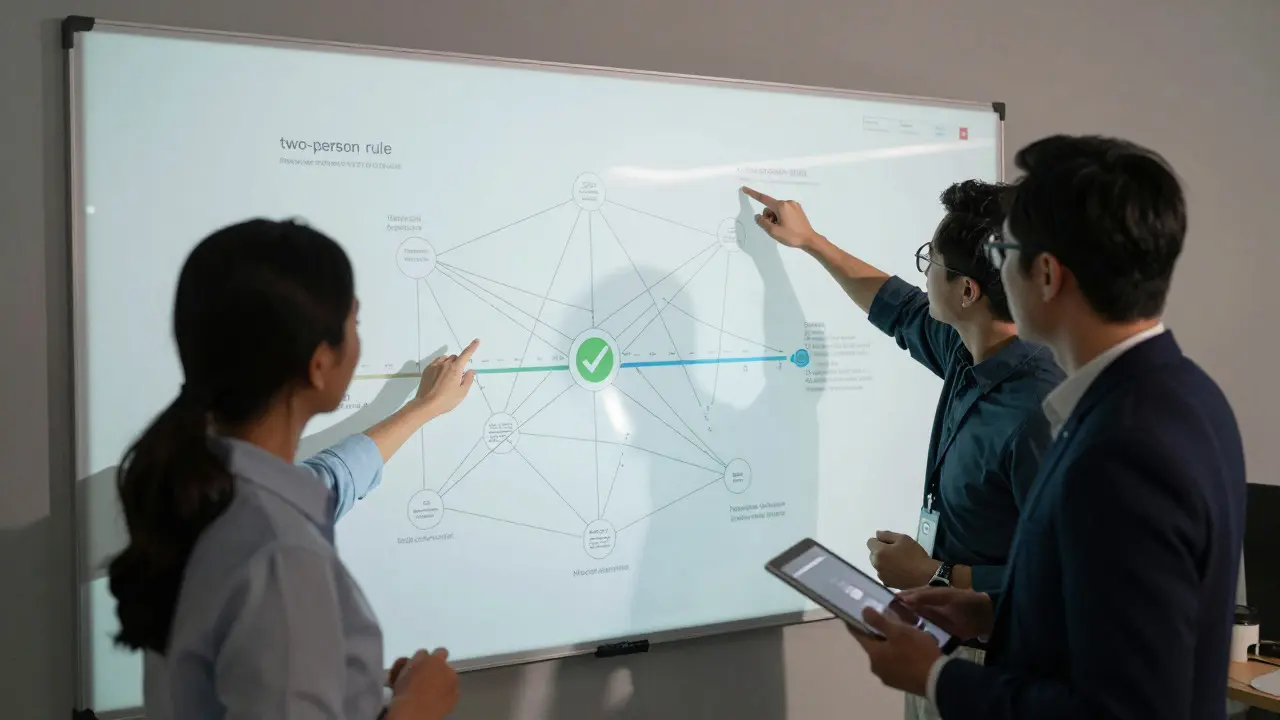
If you work in a team, individual effort isn't enough. You need systems. Implement a "two-person rule" for major claims: no significant fact goes live until a second person has verified it. This reduces the chance of shared blind spots.
Create a shared repository of trusted sources. Instead of everyone searching from scratch, maintain a curated list of journals, experts, and databases relevant to your niche. This speeds up the process and ensures consistency across different writers.
Finally, normalize the act of correction. If a mistake slips through, fix it quickly and transparently. Audiences respect honesty far more than perfection. A visible correction shows you care about accuracy, whereas hiding a mistake destroys trust permanently.
Frequently Asked Questions
How many sources do I need to verify a single fact?
There is no magic number, but two independent sources are a good baseline. If the topic is controversial or high-stakes, aim for three or more. Independence is key; citing two articles that both quoted the same original press release counts as one source, not two.
Are government websites always reliable?
Generally, yes, for statistical data and official records. However, policy positions can change with administrations, and some departments may have political biases. Always check the publication date and look for whether the data is presented neutrally or with persuasive language.
What should I do if I can't find a source for a widely known fact?
If it's truly common knowledge (like "water boils at 100°C at sea level"), you may not need a citation. But if it's a specific statistic or recent event, keep digging. If you absolutely cannot find a source, consider rephrasing the sentence to remove the specific claim or label it as an estimate.
Does source verification matter for opinion pieces?
Yes. While your opinion doesn't need proof, any factual statements supporting that opinion do. If you argue that remote work increases productivity, you need to cite studies showing that effect. Mixing unsupported facts with opinion weakens your entire argument.
How do I handle conflicting sources?
Acknowledge the conflict in your content. Present both sides briefly and explain why you are choosing one perspective over the other (e.g., one study had a larger sample size). Transparency builds trust because it shows you did your homework rather than ignoring inconvenient data.