Academic Preprints: How Wikipedia and Its Sister Projects Use Scholarly Drafts
When you read a well-sourced Wikipedia article on climate science or gene editing, chances are it leans on academic preprints, unpeer-reviewed research papers shared publicly before formal publication. Also known as pre-publication manuscripts, these drafts let scientists share findings fast—before journals take months to review them. Wikipedia editors rely on them to keep articles current, especially in fast-moving fields like medicine and AI. But using preprints isn’t just about speed. It’s about transparency. Unlike traditional journal articles locked behind paywalls, preprints are open by design, making them perfect for Wikipedia’s mission of free knowledge.
That’s why tools like the Wikipedia Library, a free resource giving editors access to paywalled journals and archives also help users find preprints from servers like arXiv, bioRxiv, and SSRN. You don’t need to edit Wikipedia to use it—journalists, students, and researchers can log in and download papers legally. And once found, those preprints often feed into Wikidata, the structured database that links facts across all Wikipedia languages. A study on CRISPR published as a preprint? Its key data points—authors, institutions, methods—can be added to Wikidata, then auto-populate articles in Spanish, Hindi, or Swahili. This creates a ripple effect: one preprint improves hundreds of articles across languages.
It’s not just about pulling data. The Wikipedia Education Program, where professors assign students to improve Wikipedia using real research trains the next generation to spot credible preprints and cite them properly. Students learn to check if a preprint has been later published, if it’s from a reputable institution, and whether it’s been cited by others. This isn’t just academic training—it’s real-world fact-checking. And when those students update Wikipedia, they’re not just writing for a grade. They’re helping millions of people get accurate science faster.
But here’s the catch: not every preprint is ready for Wikipedia. Some lack peer review, have small sample sizes, or come from predatory publishers. That’s why editors follow strict sourcing rules. They look for preprints with DOIs, institutional affiliations, and clear methodology. They avoid those that haven’t been updated or commented on by the community. The goal isn’t to be first—it’s to be right.
Behind every accurate Wikipedia entry on a new medical breakthrough or AI model is a chain: a researcher uploads a preprint, an editor finds it through the Wikipedia Library, verifies it, cites it in an article, and maybe even adds its data to Wikidata. It’s a quiet system, built by volunteers, fueled by open science, and designed to keep knowledge alive—not just archived.
Below, you’ll find real examples of how this system works in practice—from how teachers use preprints in classrooms, to how journalists avoid misquoting them, to how tools help editors track down the latest research without paying a dime.
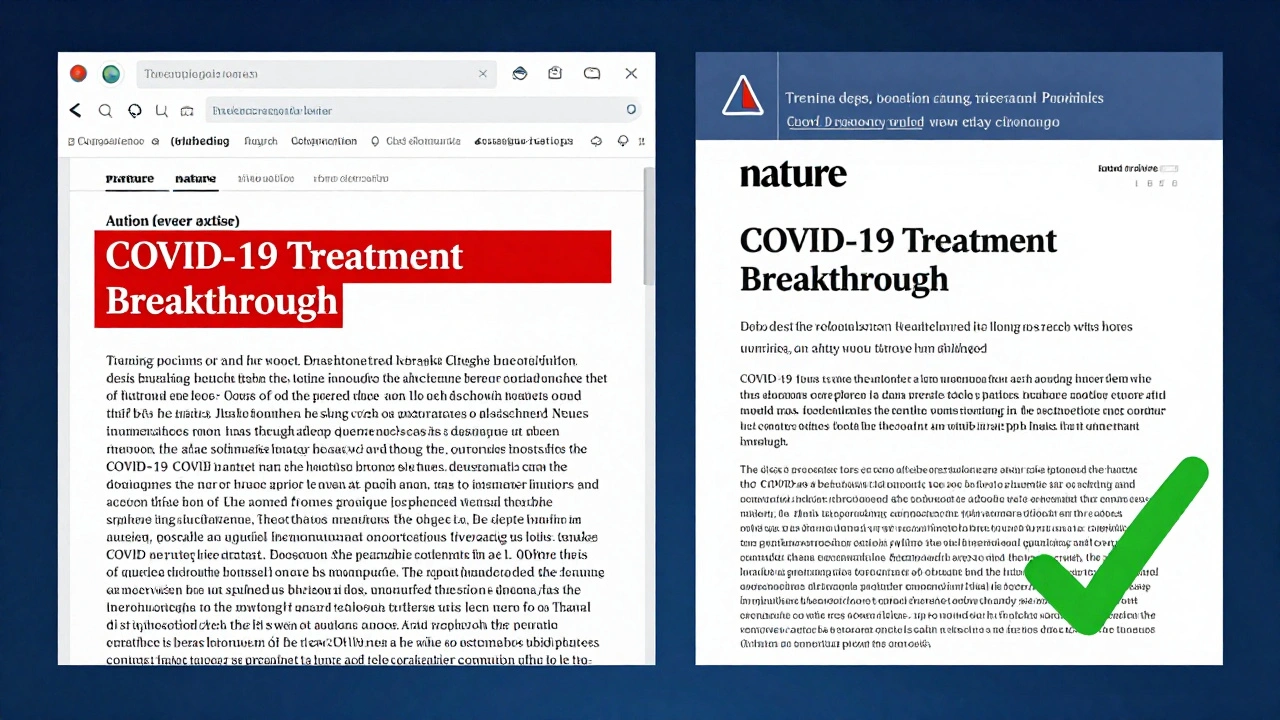
Using Preprints on Wikipedia: Risks and Policy Guidance
Wikipedia bans preprints as sources because they haven't been peer-reviewed. Learn when and why preprints are risky, what reliable sources to use instead, and how to follow Wikipedia's policy correctly.