Academic Wikipedia Editing: How Students and Professors Improve Public Knowledge
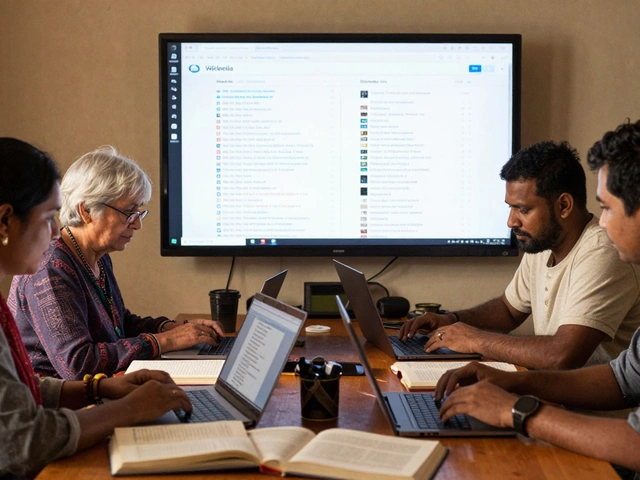
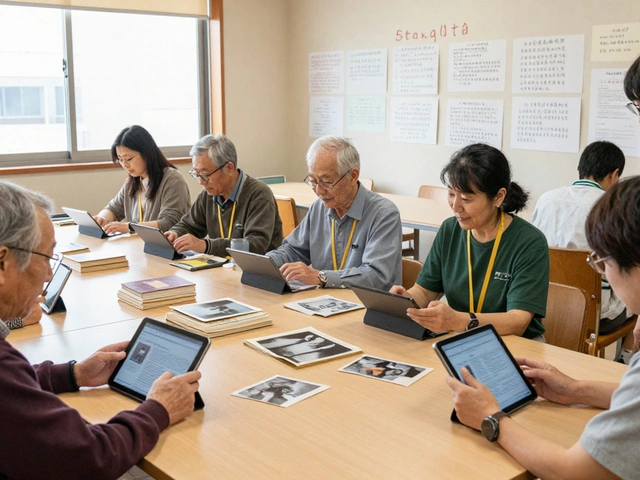
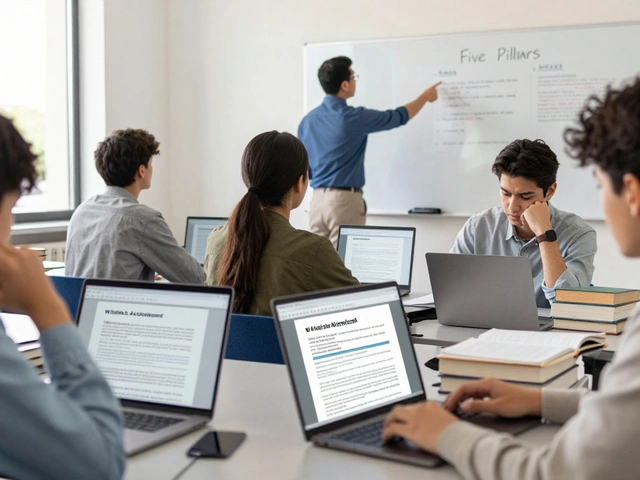
When academic Wikipedia editing, the practice of students and educators improving Wikipedia articles using scholarly sources as part of coursework. Also known as Wikipedia in the classroom, it transforms passive learning into active knowledge sharing—turning term papers into public resources used by millions. This isn’t just about grades. It’s about fixing gaps in public understanding. Every time a student adds a peer-reviewed study to a Wikipedia article, they’re helping someone in a small town, a developing country, or a library with no subscription access find reliable information.
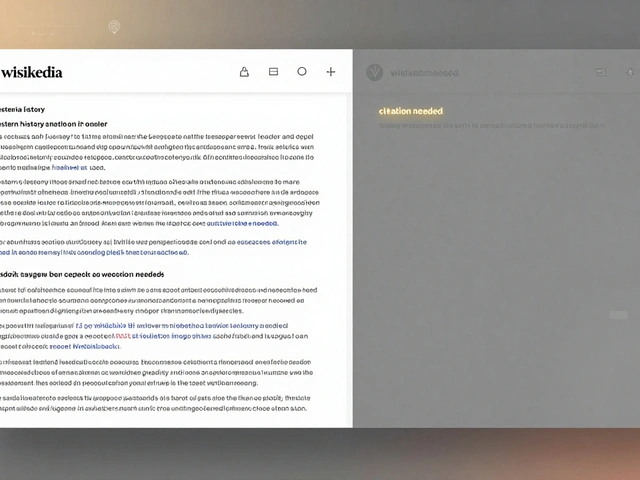
Successful Wikipedia education program, a structured initiative by the Wikimedia Foundation that connects universities with Wikipedia editors to guide academic contributions doesn’t just teach research skills—it teaches responsibility. Students learn to cite properly, avoid original research, and write neutrally. They also face real-world feedback: editors on Wikipedia can reject their edits if they’re biased, poorly sourced, or promotional. That’s harder than getting a B+ from a professor. But it’s more meaningful. When your work survives community review, it becomes part of the world’s reference library.
student contributions, edits made by learners to Wikipedia articles under academic supervision, often tied to course assignments are growing fast. Professors in history, biology, sociology, and even engineering now assign Wikipedia edits because they see results. Students don’t just write for a grade—they write for an audience of millions. And when those edits stick, they correct misinformation that’s been online for years. This is where Wikipedia ethics, the set of principles guiding responsible editing, including neutrality, verifiability, and avoiding plagiarism matters most. It’s not about who edits—it’s about how they edit. Are they using credible sources? Are they citing properly? Are they avoiding conflicts of interest? These aren’t just rules—they’re the foundation of trust in free knowledge.
You’ll find real examples below: how professors structure assignments, what red flags editors look for, how students handle rejection, and why some edits get reverted while others become permanent improvements. These aren’t hypotheticals. These are stories from classrooms in Canada, Nigeria, Brazil, and beyond—where students learned that knowledge isn’t just for exams. It’s for the world.
Managing Conflicts of Interest When Academics Edit Wikipedia
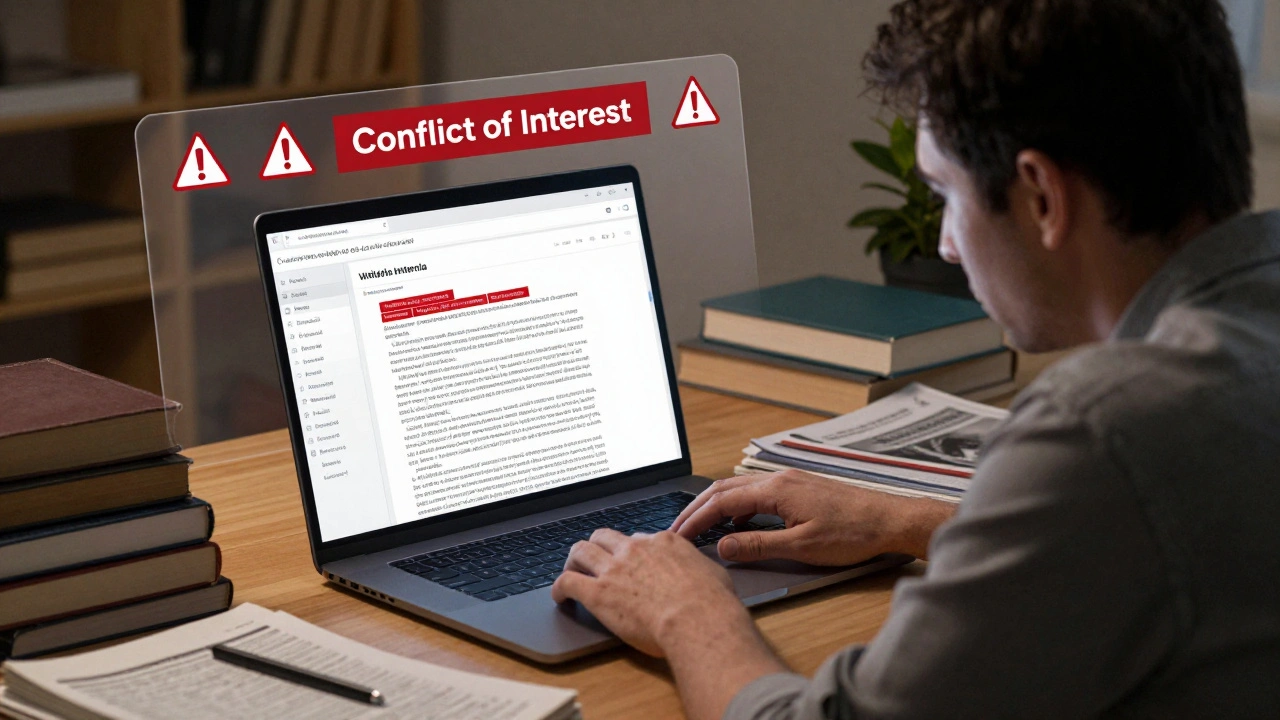
Academics often want to improve Wikipedia articles about their research, but editing directly creates conflicts of interest. Learn how to contribute ethically without violating Wikipedia's policies or undermining public trust.