Academic Writing on Wikipedia: How Scholars Shape and Use the Encyclopedia
When people think of academic writing, the formal, source-driven style used in research papers, theses, and peer-reviewed journals. Also known as scholarly writing, it’s the backbone of universities, labs, and libraries around the world. But what happens when that same style meets Wikipedia? It doesn’t clash—it connects. Wikipedia isn’t just a place where academic writing is summarized. It’s a living archive shaped by professors, librarians, grad students, and researchers who treat editing like peer review. They don’t just read articles—they fix them, cite them, and sometimes rewrite entire sections based on new studies. This isn’t theory. It’s happening every day, quietly, across thousands of articles.
Academic writing on Wikipedia requires more than good grammar. It demands scholarly sources, reliable, published materials like journal articles, books, and official reports that meet Wikipedia’s verifiability standards. You won’t find blog posts, press releases, or YouTube videos accepted as primary evidence. Instead, editors look for citations from peer-reviewed journals, university presses, or government publications. That’s why so many articles on history, medicine, and social science are so detailed—they’re built on the same standards used in college classrooms. And it’s not just about sourcing. Wikipedia editing, the process of improving or adding content to Wikipedia articles by volunteers. follows strict rules: no original research, no personal opinions, and no pushing agendas. If you’re writing a paper on climate change and you want your findings to show up on Wikipedia, you have to prove them with published work—not just your own conclusions.
What makes this even more powerful is how universities are turning assignments into public knowledge. The Wikipedia education, programs that integrate Wikipedia editing into college courses to teach research and writing skills. is now active in over 1,000 institutions worldwide. Students don’t just write for a grade—they write for millions. One student’s edit on a neglected biography or a poorly cited article can become the most viewed version of that topic on the planet. And when those edits are good, they stick. That’s why Wikipedia’s most reliable articles often look like they were written by a team of PhDs—even if they were written by undergrads.
But it’s not one-way. Academic writing benefits from Wikipedia too. Researchers use it as a starting point—not to cite, but to map. They scan references to find sources they didn’t know existed. They check talk pages to see where debates are happening. They use tools like signposts and diffs to spot gaps in coverage before publishing their own work. A 2023 study showed that over 60% of researchers in the humanities and social sciences check Wikipedia before diving into academic databases. Not because it’s perfect, but because it’s fast, free, and surprisingly well-sourced.
There’s no magic here. No secret formula. Just a quiet alliance between two worlds: the ivory tower and the open web. Academic writing gives Wikipedia its credibility. Wikipedia gives academic writing its reach. And together, they’re changing how knowledge moves—from classrooms, to screens, to global understanding.
Below, you’ll find real guides, case studies, and tools that show exactly how this works—from how students learn to edit responsibly, to how librarians vet sources, to how AI misinformation is being stopped by Wikipedia’s citation rules. This isn’t just about writing. It’s about building a better public record.
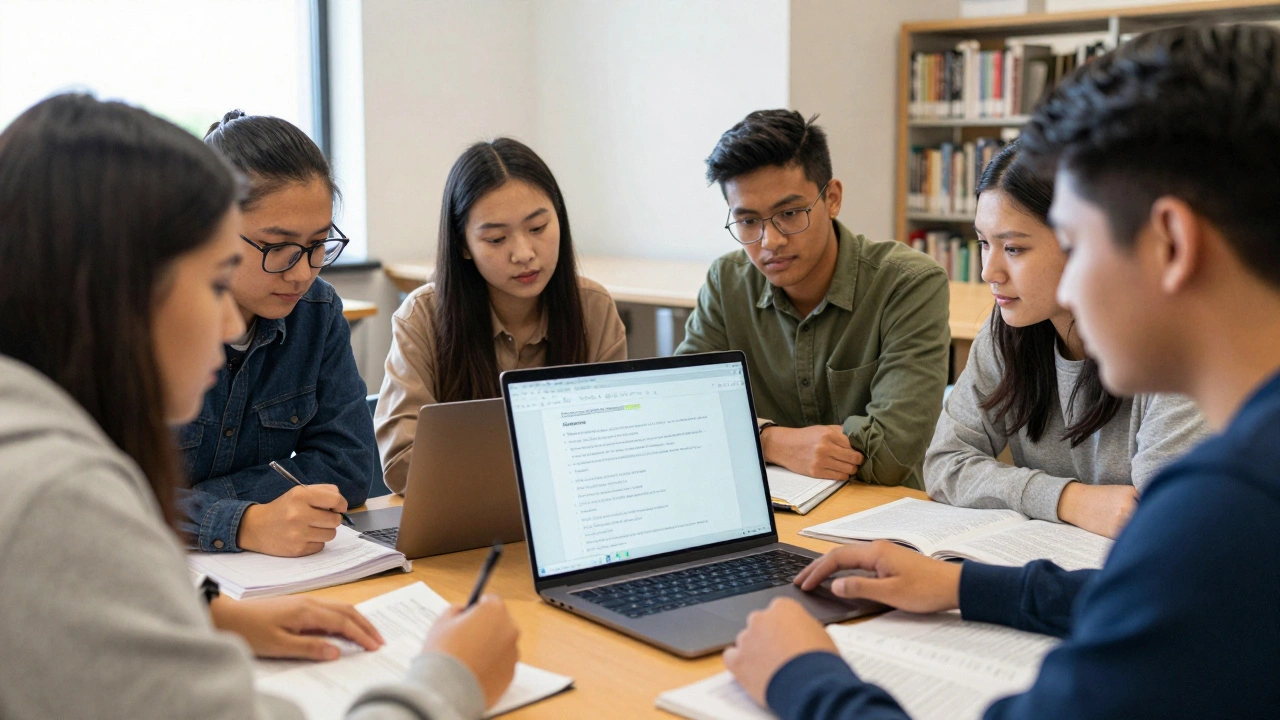
Syllabus Design for Wikipedia Assignments in Higher Education
Designing a syllabus for Wikipedia assignments in higher education transforms student writing into real-world contributions. With clear structure, training, and feedback, students improve research skills while adding valuable knowledge to a global platform.
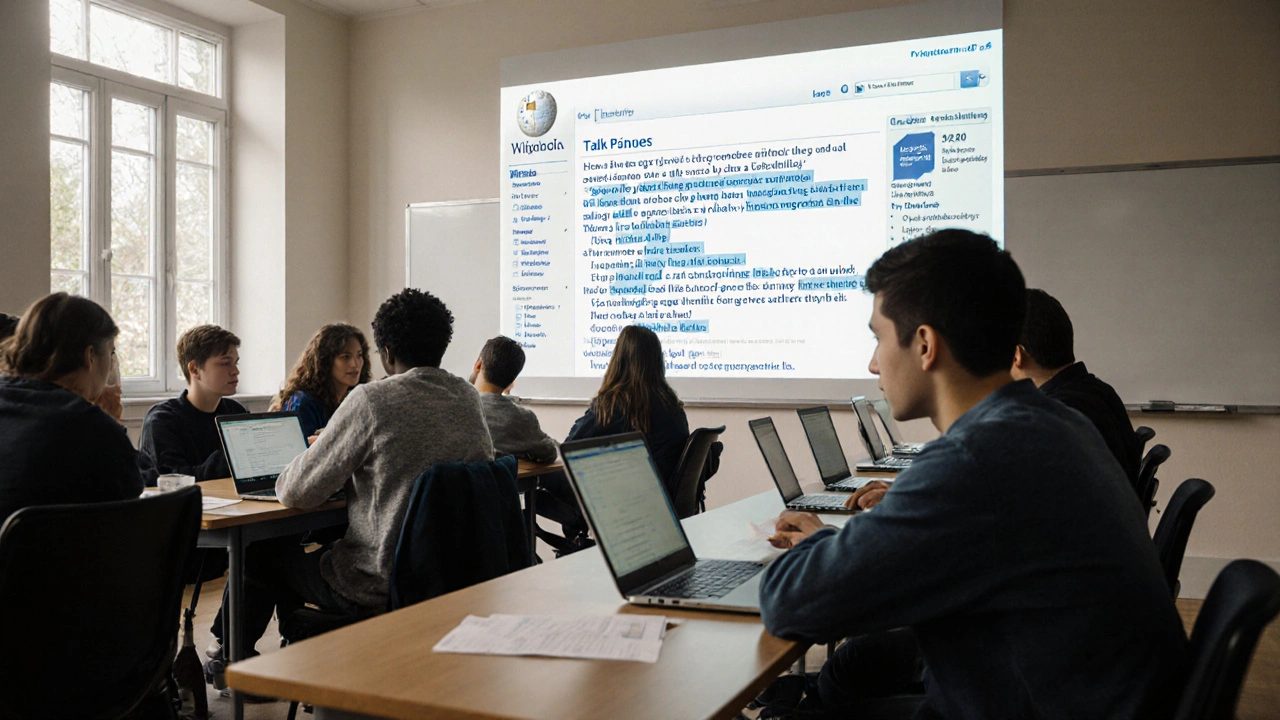
How to Use Wikipedia Talk Pages to Teach Scholarly Debate
Wikipedia talk pages offer a real-world classroom for teaching evidence-based debate, source evaluation, and collaborative knowledge-building. Students learn to argue with facts, not opinions.