Altruism on Wikipedia: How Selfless Editing Builds a Global Knowledge Base
When you edit a Wikipedia article to fix a typo, add a citation, or rewrite a confusing paragraph, you’re not doing it for money, fame, or recognition—you’re doing it because you care. That’s altruism, the practice of selflessly helping others without expecting anything in return. It’s the quiet engine behind Wikipedia’s existence. Without it, there’d be no 60 million articles, no real-time updates during crises, and no global effort to make knowledge accessible to everyone, everywhere. This isn’t just idealism. It’s measurable. Studies show that over 80% of Wikipedia edits come from volunteers who never get paid. They show up because they believe knowledge should be free, accurate, and open to all.
Altruism on Wikipedia doesn’t just mean editing articles. It shows up in volunteer editors, individuals who dedicate hours to reviewing edits, fighting spam, and mentoring newcomers, in Wikipedia community, the network of volunteers who debate policies, resolve conflicts, and uphold standards through discussion, and even in collaborative knowledge, the shared process where strangers from different countries and cultures build articles together, often without ever meeting. These aren’t abstract ideas—they’re daily actions. Someone in Nairobi adds a citation about local history. Someone in Manila corrects a misstatement about indigenous languages. Someone in Buenos Aires translates a complex medical article into Spanish. All of it happens because people believe the world deserves better information.
Wikipedia doesn’t work because it’s perfect. It works because people keep showing up to fix it. The platform’s rules—like conflict of interest policies, sourcing standards, and neutral point of view—exist to protect that trust. And when vandalism happens, or misinformation spreads, it’s not algorithms that clean it up first. It’s volunteers. Altruism is why Wikipedia survives attacks, censorship attempts, and public skepticism. It’s why a student in rural India can find reliable info about climate science, and why a retiree in Canada can learn how to fix a leaky faucet using a guide written by a plumber in Australia.
What you’ll find in this collection isn’t a theory. It’s proof. Real stories of how people give their time to make knowledge better. From edit-a-thons that bring in new editors in underrepresented regions, to tools that help beginners contribute without fear of mistakes, to the quiet work of editors who review every change to keep things accurate. This is altruism in action—and it’s still growing.
Why People Edit Wikipedia: Altruism, Expertise, and Recognition
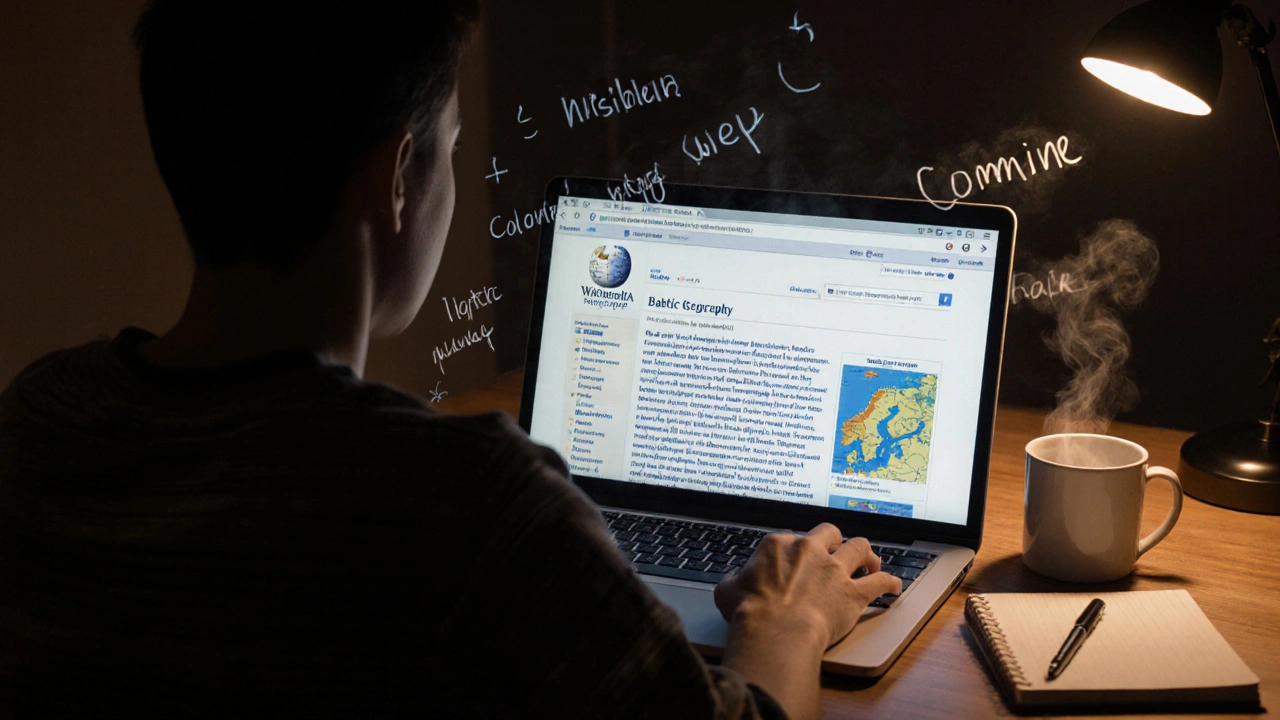
Wikipedia is built by volunteers motivated by altruism, expertise, and recognition. Learn why millions edit without pay, how expertise shapes accuracy, and how community recognition keeps the platform alive.