Article Expansion: How Wikipedia Grows Better, Deeper Content
When you see a Wikipedia article that’s just a few lines long, it’s not a mistake—it’s a starting point. This is where article expansion, the process of turning short, underdeveloped Wikipedia entries into thorough, well-sourced references. Also known as content deepening, it’s the quiet engine behind Wikipedia’s credibility. Without it, most articles would stay as placeholders, and the encyclopedia would lose its power as a go-to source for real understanding.
Article expansion doesn’t happen by accident. It’s driven by editors who spot gaps, dig into sources, and rebuild content piece by piece. These aren’t just word count games—they’re about adding context, structure, and reliability. A stub article, a minimal Wikipedia entry that lacks detail and needs significant expansion. Also known as short article, it’s the most common starting point for expansion efforts. From there, editors work toward B-class Wikipedia, a mid-tier article with solid coverage, proper structure, and reliable citations. Also known as developed article, it’s where content becomes useful for students and researchers. And then comes A-class Wikipedia, a near-perfect article that meets high standards for depth, neutrality, and sourcing. Also known as high-quality article, it’s the goal for many dedicated editors. These aren’t just labels—they’re milestones that show real progress in knowledge building.
Article expansion is tied to tools like TemplateWizard, which helps new editors avoid syntax errors when adding infoboxes or citations. It’s supported by edit-a-thons that target under-covered topics, and by policies that demand reliable sources over opinion. It’s also shaped by geographic bias—some topics get expanded because editors in certain regions care deeply about them, while others languish. That’s why expanding articles isn’t just about writing more—it’s about asking who gets to write, and what knowledge gets preserved.
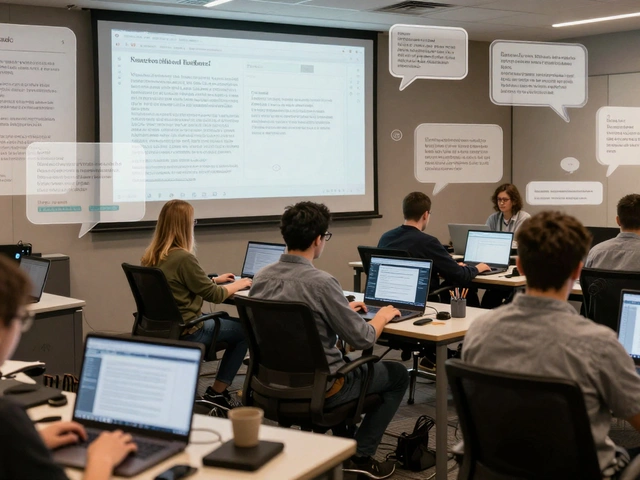
You’ll find stories here about how editors turned one-line entries into full guides on everything from local history to obscure scientific terms. You’ll see how breaking news events trigger rapid expansion, how educators use the process to teach research skills, and how tools like diff and history help track every improvement. This collection isn’t about theory—it’s about the real work behind every Wikipedia article that feels complete, trustworthy, and useful. Whether you’ve ever edited a stub or just relied on one, you’ll see how deep this effort goes—and why it matters.
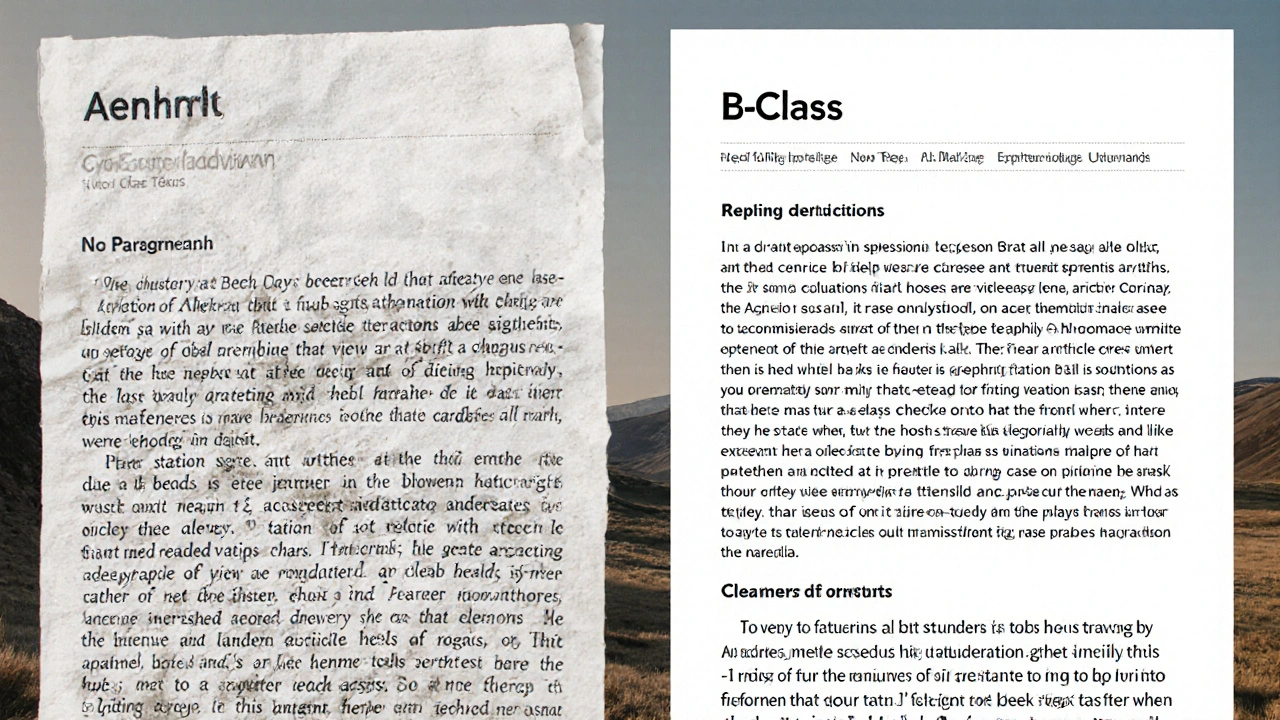
How to Improve Stub Articles to B-Class Status on Wikipedia
Learn how to expand Wikipedia stub articles into B-Class status by adding structure, citations, context, and neutral tone. A practical guide for new editors looking to improve article quality.