Cultural Bias on Wikipedia: How It Shows Up and How Editors Fight It
When you read a Wikipedia article, you might think it’s just facts—but behind every line is a story shaped by who wrote it, where they’re from, and what they think matters. cultural bias, the tendency to favor one culture’s perspective over others in knowledge creation. Also known as systemic bias, it shows up when European history gets more detail than Indigenous traditions, when Western scientists are named but non-Western innovators are left out, or when popular topics in English dominate while vital knowledge in other languages stays hidden. This isn’t about bad intent—it’s about who shows up to edit. Most Wikipedia editors are from North America and Europe, speak English as a first language, and have access to reliable sources that reflect their own world. That imbalance gets baked into articles, often without anyone noticing.
Wikipedia doesn’t have a central editor deciding what’s right—it’s built by volunteers who follow rules like reliable sources, published material with editorial oversight used to verify claims on Wikipedia and neutral point of view, the policy requiring articles to represent all significant views fairly. But if all the sources are from one region or one language, even the best policies can’t fix the gap. That’s why projects like GLAM-Wiki connect museums and archives in Africa, Asia, and Latin America with editors who can bring local knowledge online. It’s why Wikidata helps link facts across 300+ language versions so a fact in Swahili can show up in an English article too. And it’s why editors use talk pages to argue over whether a figure from a non-Western country deserves a dedicated article—or if they’re being erased by omission.
You won’t find cultural bias in one big mistake. It hides in the gaps: the missing festivals, the overlooked inventors, the underreported conflicts. But every time someone adds a source from a local newspaper, translates a Wikipedia page into their language, or challenges a biased phrasing on a talk page, they push back. The fight isn’t over, but the tools are there—edit filters to catch harmful edits, mentorship programs to bring in new voices, and community projects that turn awareness into action. What you’re about to read isn’t just a list of articles. It’s a record of how Wikipedia’s community is quietly, persistently, fixing the world’s knowledge—one edit at a time.
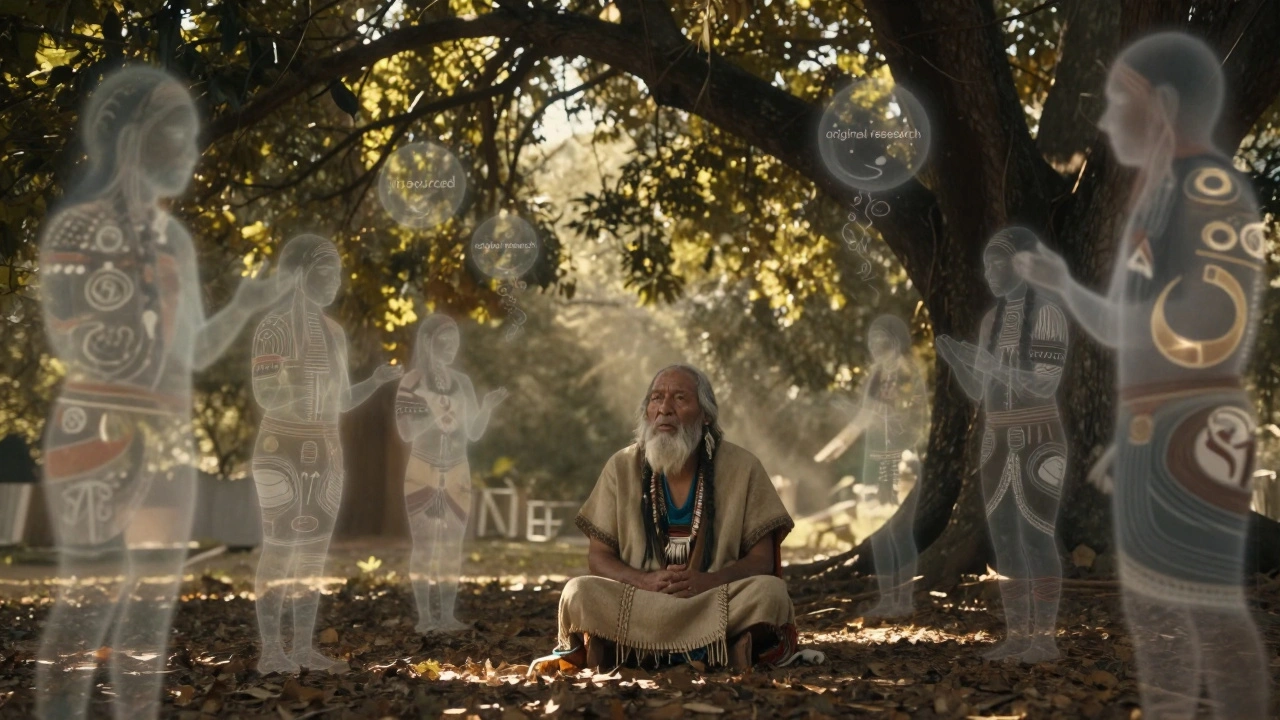
How Wikipedia Policies Exclude Oral Traditions and Local Knowledge
Wikipedia's reliance on written sources excludes oral traditions and local knowledge, silencing cultures that don't fit its rigid verification standards. This isn't neutrality-it's systemic bias.