Cultural Heritage on Wikipedia: How Communities Preserve and Share History
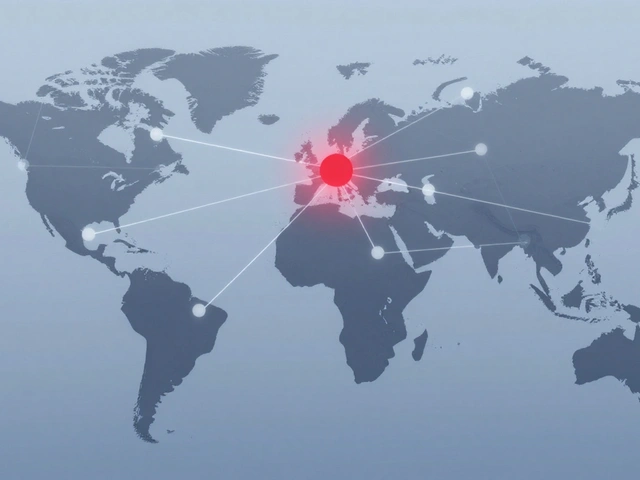
When we talk about cultural heritage, the tangible and intangible assets a community values and passes down through generations. Also known as shared history, it includes everything from ancient ruins and traditional music to oral stories and indigenous languages. Most of this heritage never makes it into textbooks or TV documentaries. But on Wikipedia, volunteers from every corner of the globe are stepping in to fill those gaps.
One of the biggest drivers behind this work is GLAM-Wiki partnerships, collaborations between galleries, libraries, archives, and museums with Wikipedia editors. These aren’t just photo uploads. They’re deep partnerships where institutions give editors access to rare documents, curators help correct historical biases, and local communities add context that outsiders can’t. A museum in Nigeria might share photos of ceremonial masks with Wikipedia editors who then write detailed articles in local languages. A library in Sweden might donate digitized newspapers that help rebuild the history of immigrant communities. This isn’t charity—it’s co-creation. And it’s changing how we understand who gets to tell history.
Behind every edited article on cultural heritage is a quiet battle against erasure. Many Indigenous traditions, colonial-era records, and non-Western art forms were ignored or misrepresented for decades. Wikipedia’s open model lets people with direct ties to these cultures step in and rewrite the narrative. It’s not perfect—some edits get challenged, sources get debated, and vandalism happens. But the system has one big advantage: it’s transparent. You can see who changed what, why, and when. And when a community corrects a false claim about their own heritage, that change sticks.
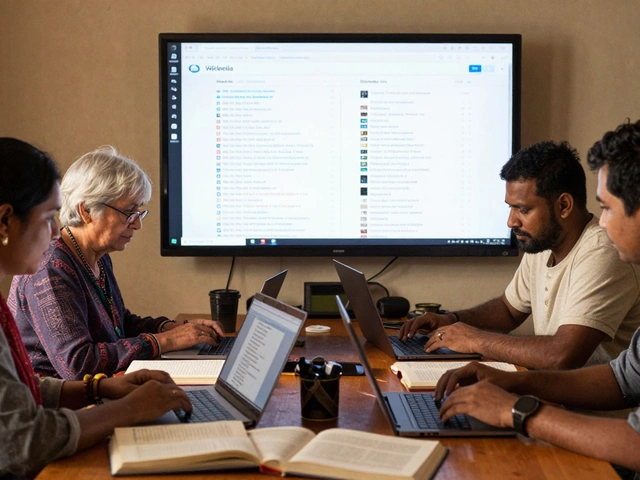
The Wikimedia Foundation, the nonprofit that supports Wikipedia and its sister projects doesn’t run these projects. It just gives them space and tools. The real power comes from volunteers—editors who spend nights verifying sources, translators who turn articles into minority languages, and organizers who run edit-a-thons in rural schools. These aren’t academics in ivory towers. They’re teachers, librarians, grandkids interviewing elders, and activists fighting to make sure their ancestors aren’t forgotten.
If you’ve ever looked up a local festival, a traditional craft, or a historic building and found a detailed, well-sourced Wikipedia page—you’ve seen cultural heritage in action. The posts below show how this works in real time: how museums partner with editors, how news corrections fix historical misrepresentations, how tools help preserve fragile knowledge, and why this matters more now than ever. This isn’t just about editing articles. It’s about who gets to decide what history counts.
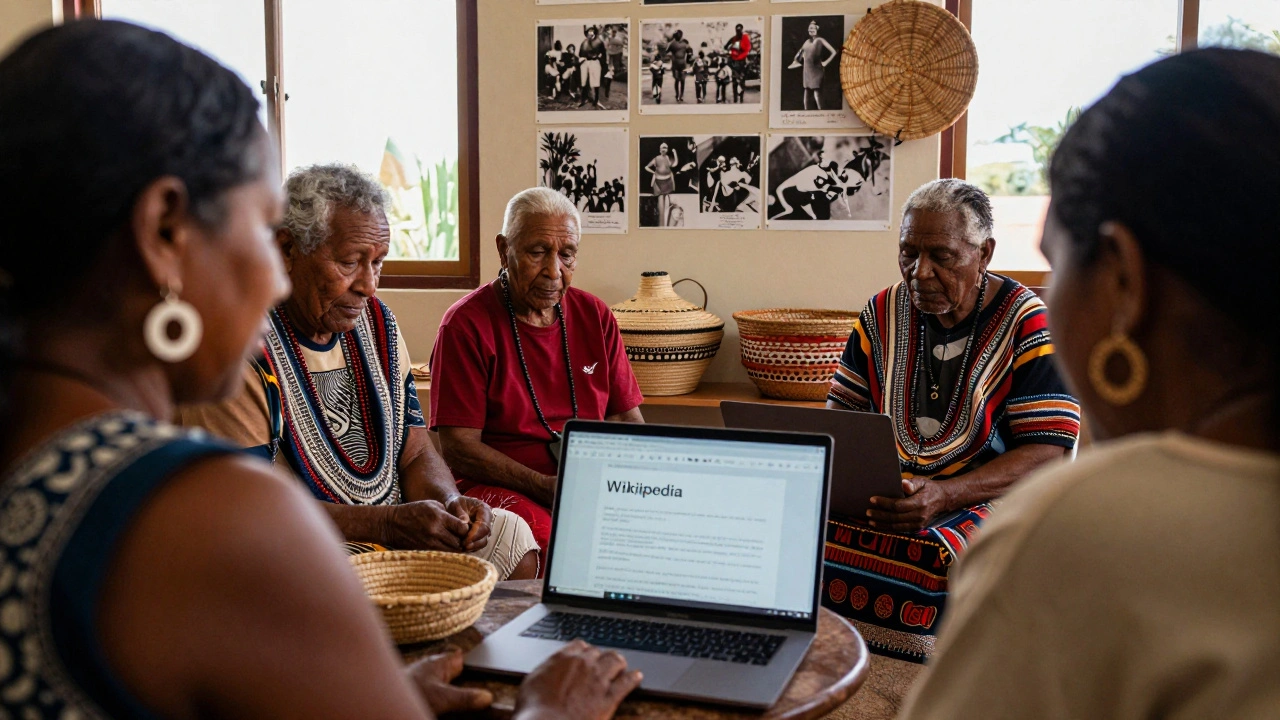
Multilingual GLAM-Wiki Projects: Real Case Studies on Wikipedia
Multilingual GLAM-Wiki projects connect museums, libraries, and archives with Wikipedia editors to share cultural heritage in local languages. Real case studies show how Indigenous, minority, and post-colonial communities are reclaiming their stories on Wikipedia.