Edit War Tool: How Wikipedia Stops Editing Battles Before They Escalate
When two or more editors keep changing the same Wikipedia article back and forth, it’s called an edit war, a repetitive conflict where editors override each other’s changes without consensus. This isn’t just annoying—it breaks the encyclopedia’s core rule: neutral, sourced content. To stop this, Wikipedia uses a set of automated and human-powered tools collectively known as the edit war tool, a system of restrictions and alerts designed to pause destructive editing cycles. Also known as edit conflict mitigation tools, these aren’t punishments. They’re emergency brakes.
These tools kick in when an article shows signs of repeated reversions. A simple edit war tool might lock the page temporarily, letting only administrators make changes. More advanced ones send automated warnings to editors, flagging patterns like three reverts in 24 hours. These aren’t random—they’re based on real data from Wikipedia’s own monitoring bots. When an edit war heats up, the system doesn’t wait for someone to complain. It notices. And it acts. The goal isn’t to silence anyone. It’s to force a pause. To make editors step back, talk on the talk page, and find common ground before the article becomes a battleground.
Behind every edit war tool is a larger system of Wikipedia administrators, volunteers with special privileges to enforce policies and resolve conflicts and community consensus, the unwritten rule that decisions must be agreed upon through discussion, not force. Tools alone can’t fix deep disagreements. But they create space for them to be resolved fairly. Without these tools, articles on politics, religion, or current events would be constantly overwritten. Readers wouldn’t know what’s true. Editors would burn out. And trust in Wikipedia would collapse.
What you’ll find in this collection are real examples of how these tools work in practice—how they’re used, abused, improved, and sometimes challenged. You’ll see how new editors get caught in the crossfire, how veteran editors use them to protect quality, and how the community keeps refining them to stay fair. This isn’t about tech. It’s about people trying to build something reliable, together, even when they disagree fiercely. And the edit war tool? It’s the quiet guardian that keeps the whole thing from falling apart.
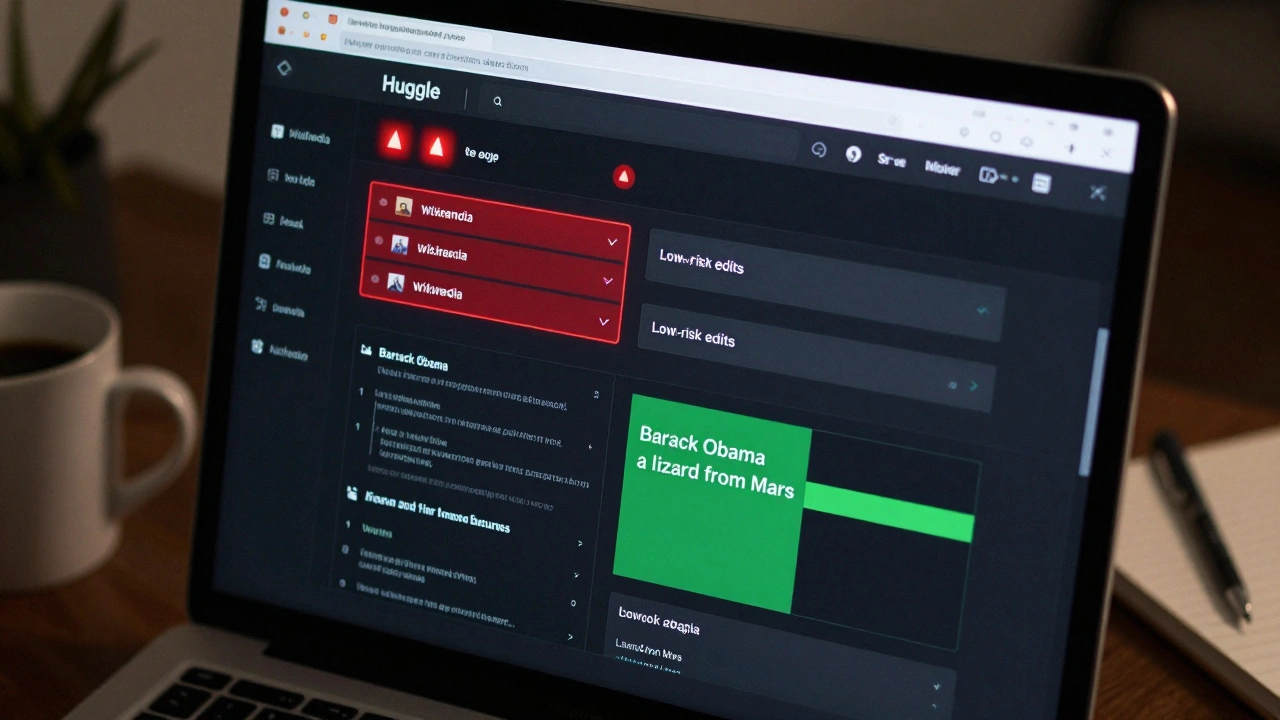
Huggle for Wikipedia: Fast Vandalism Reversion Workflow
Huggle is a fast, browser-based tool used by Wikipedia volunteers to quickly identify and revert vandalism. It filters out noise and highlights suspicious edits in real time, letting users revert spam and malicious changes in seconds.