Edit Wikipedia Responsibly: How to Contribute Without Breaking the Rules
When you edit Wikipedia responsibly, you’re not just fixing a typo—you’re helping shape how millions understand the world. This isn’t a personal blog or a social media post. It’s a living reference built by volunteers who follow strict rules to keep information accurate, neutral, and fair. Wikipedia editing rules, a set of community-driven policies designed to prevent bias, plagiarism, and manipulation. Also known as Wikipedia policies, they exist because anyone can change anything—and that freedom only works if everyone plays by the same code. The most common reason edits get reverted isn’t because they’re wrong—it’s because they break the unwritten contract: don’t promote yourself, don’t push agendas, and always back up claims with reliable sources.
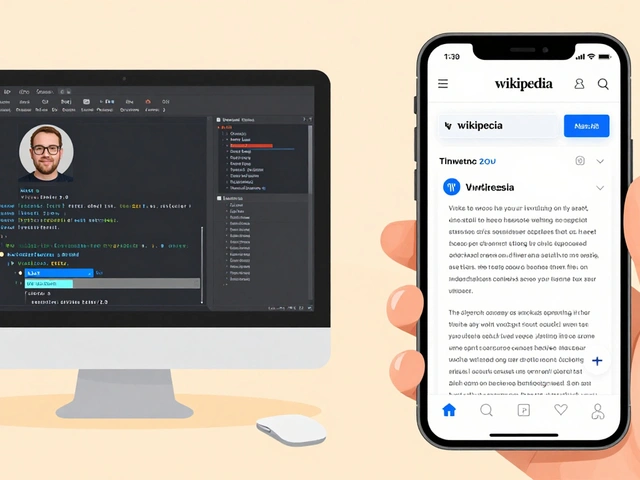
One of the biggest traps new editors fall into is conflict of interest, when someone edits a topic they’re personally connected to—like their company, school, or family member—without telling others. Also known as COI, this isn’t illegal, but it’s a fast track to getting blocked. Wikipedia doesn’t care if you’re an expert; it cares if you’re transparent. If you work for Apple, you can’t rewrite the Apple page to sound better unless you clearly say so on the talk page. The same goes for journalists, professors, or activists. community guidelines, the shared expectations that keep Wikipedia’s chaotic editing system from collapsing into chaos. Also known as Wikipedia norms, these aren’t laws written by lawyers—they’re the habits of thousands of regular people who show up every day to clean up spam, fix biased wording, and chase down fake citations. Tools like TemplateWizard and mobile editing make it easier than ever to contribute, but they don’t replace judgment. A bot can fix a broken link, but only a human can tell if a source is trustworthy or if a sentence sounds like an ad.
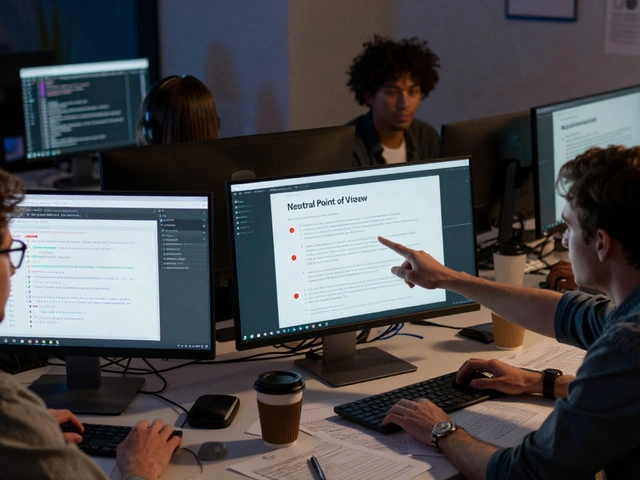
Editing responsibly means knowing when to step back. Not every fact needs to be added. Not every opinion deserves a mention. Wikipedia isn’t a place to prove you’re right—it’s a place to show what’s verifiable. That’s why the best edits often come from people who ask, "Is this something a neutral third party would say?" or "Can someone else check this?" The posts below show how real editors handle these questions every day: how bots catch spam, how librarians verify sources, how editors disclose ties to topics, and how the community decides what stays and what gets deleted. You don’t need to be a tech expert or a scholar to help. You just need to care enough to follow the rules—and to care more about the encyclopedia than your own agenda.
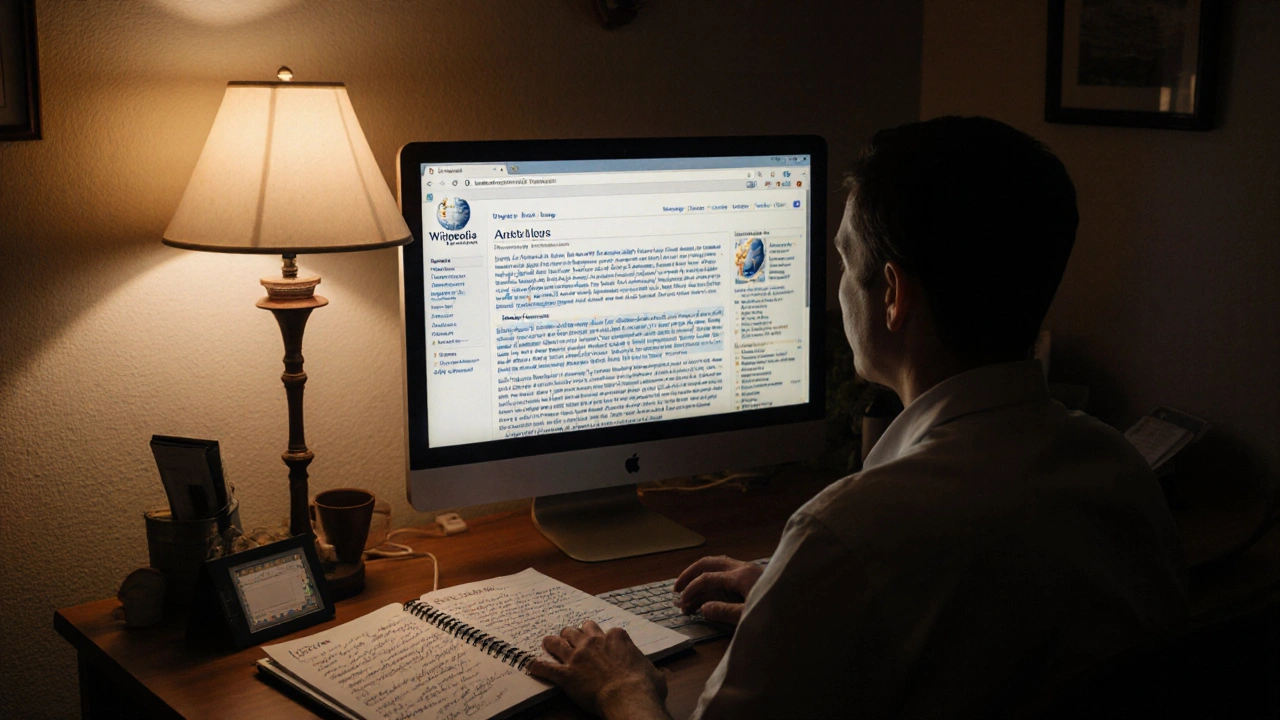
A Beginner’s Guide to Editing Wikipedia Articles Responsibly
Learn how to edit Wikipedia responsibly with practical steps for beginners. Fix typos, cite sources, avoid common mistakes, and contribute to the world's largest encyclopedia without getting blocked.