Editor Updates: What’s New in Wikipedia’s Volunteer Community
When you think of Wikipedia, you might picture a static encyclopedia—but behind every article is a living, breathing editor updates, changes in how volunteers contribute, collaborate, and maintain the world’s largest free knowledge base. Also known as Wikipedia community changes, these updates shape everything from how vandalism gets caught to how new editors find their footing. This isn’t just about adding facts. It’s about who gets to add them, what tools they use, and how the rules evolve to keep the system fair and functional.
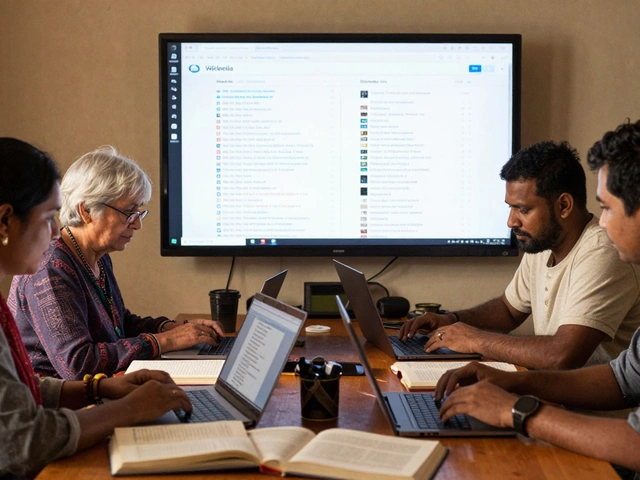
Behind the scenes, Wikipedia editors, volunteers who write, edit, and police content on Wikipedia without pay. Also known as Wikipedians, they are using smarter tools like Huggle, a real-time browser tool that helps volunteers quickly spot and undo vandalism to fight spam in seconds. Meanwhile, edit workflows, the step-by-step processes editors follow to improve articles, from stubs to B-Class status are getting more structured. New editors aren’t just thrown into the deep end anymore. Programs like Edit-A-Thons and training modules help people in underrepresented regions learn how to contribute properly. Even the way admins are chosen has changed—since 2025, popularity doesn’t win votes; proven experience and community consensus do.
These updates aren’t happening in a vacuum. They’re tied to bigger shifts: how Wikipedia handles news, how it connects languages through Wikidata, a central database that shares facts across all language versions of Wikipedia, and how it protects editor privacy by hiding IPs and avoiding tracking. The tools and rules you see today are the result of years of trial, error, and feedback from real people—teachers, journalists, librarians, and students—who care enough to fix a typo, add a citation, or rewrite a biased paragraph.
What you’ll find below isn’t a list of random posts. It’s a snapshot of the real, messy, human work behind Wikipedia’s reliability. You’ll see how journalists use the Wikipedia Library to access paywalled sources, how educators turn student papers into public knowledge, and how tools like CentralNotice and The Signpost keep the community aligned during crises. These aren’t tech specs—they’re stories of people making knowledge work for everyone, not just the privileged few. Whether you’re a new editor wondering where to start, a researcher tracking how facts spread, or just someone who’s curious why Wikipedia keeps changing—you’ll find something here that matters.

Latest Edition of The Signpost: Key Highlights for Wikipedia Editors
The latest edition of The Signpost highlights key updates for Wikipedia editors, including policy changes, new tools, declining editor numbers, and community stories that keep the encyclopedia alive.