Ethical A/B Testing on Wikipedia: How Experiments Keep the Encyclopedia Fair and Reliable
When you edit Wikipedia, you might not realize that some changes you see are the result of ethical A/B testing, a method used to test small changes in the editing interface to see what helps contributors work better without tricking them. Also known as controlled experiments, it’s how the Wikimedia Foundation figures out if a new button, layout, or tool actually makes editing easier—without messing with your trust in the platform. Unlike commercial websites that test ads or prices, Wikipedia’s experiments focus on one thing: helping people contribute more easily and fairly. There’s no profit motive. No hidden nudges. Just a quiet effort to understand how real humans use the site.
This kind of testing doesn’t happen without strict rules. The Wikimedia Foundation, the nonprofit that supports Wikipedia’s infrastructure and development only runs tests that are transparent, reversible, and approved by the community. If a new edit button is being tested, editors are told upfront. If a change might affect how citations appear, it’s reviewed by volunteers who know the risks. editor behavior, how people interact with the editing tools over time is tracked—not to spy, but to spot patterns. For example, did more people fix typos after a simplified toolbar was rolled out? Did fewer new users get blocked because a warning message was rewritten to be clearer? These are the questions ethical A/B testing answers.
It’s not just about convenience. Poorly designed tools can accidentally push people away. A confusing interface might make someone give up on editing entirely. A poorly worded warning might scare off a well-meaning student. Ethical A/B testing exists to prevent that. It’s how Wikipedia avoids making changes that seem smart on paper but fail in practice. And because Wikipedia is built by volunteers, not algorithms, every test must respect the community’s values: openness, neutrality, and consent.
What you’ll find in the posts below are real examples of how these tests shaped the site—from bots that help fix formatting, to tools that reduce errors when editing on mobile, to how policy changes are quietly tested before going live. These aren’t marketing experiments. They’re quiet, careful improvements made with one goal: to keep Wikipedia working for everyone, not just the loudest voices.
UI A/B Testing on Wikipedia: Methods and Ethics
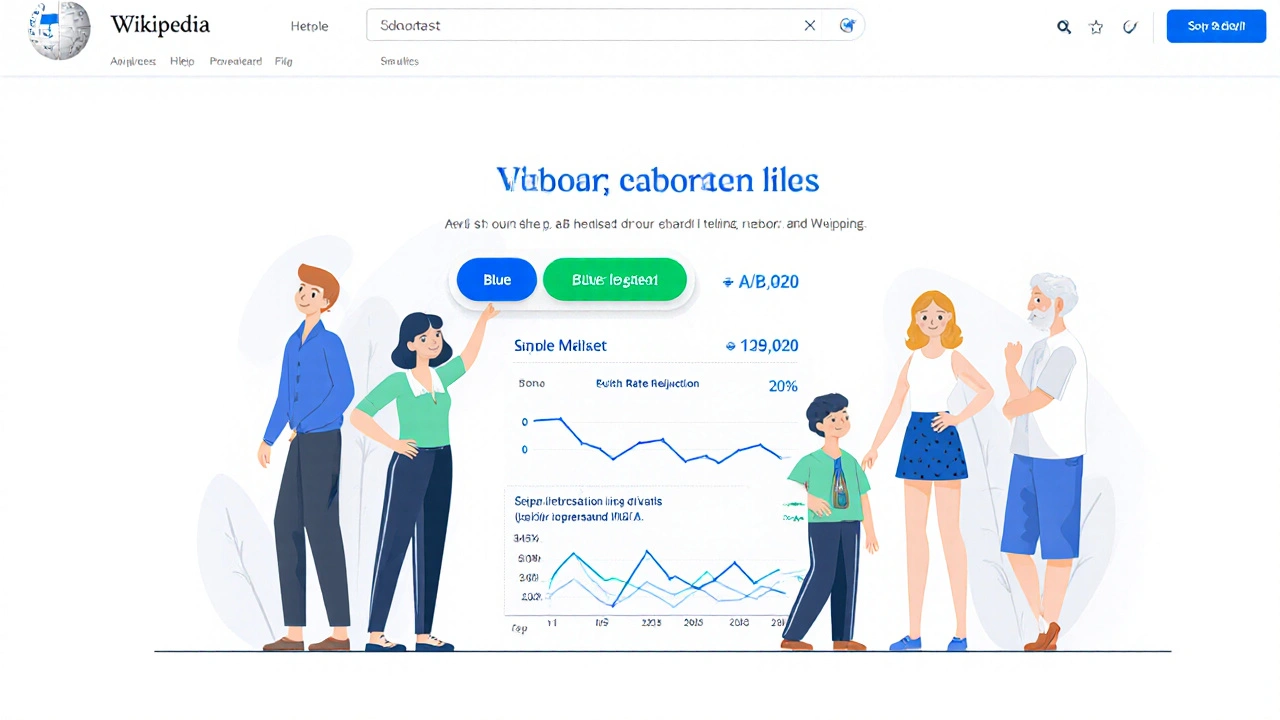
Wikipedia runs quiet but rigorous A/B tests on its interface to improve usability without compromising accuracy or ethics. Learn how small UI changes are tested, why they avoid engagement metrics, and how volunteers help shape the world's largest encyclopedia.