Geographic Content Gap: Why Some Places Are Missing from Wikipedia
When you think of Wikipedia, you might picture a complete picture of human knowledge. But geographic content gap, the uneven distribution of information across regions and languages on Wikipedia. It’s not just about missing articles—it’s about entire cultures, histories, and places that barely appear in the world’s largest encyclopedia. A person in Nairobi, Lagos, or Lima might struggle to find detailed, reliable info about their own city on Wikipedia, while a small town in Germany or Japan has dozens of well-sourced pages. This isn’t random. It’s structural.
The geographic content gap, the uneven distribution of information across regions and languages on Wikipedia. It’s not just about missing articles—it’s about entire cultures, histories, and places that barely appear in the world’s largest encyclopedia. isn’t just about language—it’s about who has access, time, and tools to edit. Most Wikipedia editors live in North America, Europe, or East Asia. They write about what they know, what’s in their languages, and what’s already documented online. Places with fewer internet users, less tech access, or less English fluency get left out. And when you don’t have local editors, there’s no one to correct errors, add photos, or explain local context. This gap shows up in content parity, the balance of depth and accuracy across different language editions of Wikipedia. One language edition might have 500 articles on its national parks. Another might have five—none of them cited properly.
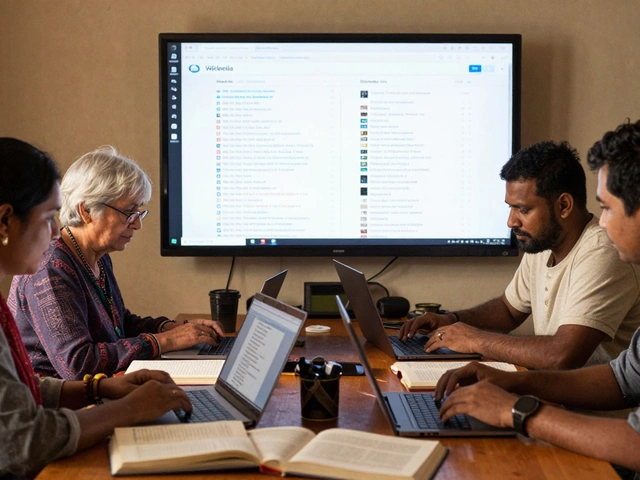
It’s not all bleak. Groups are stepping in. edit-a-thons, organized events where people come together to create or improve Wikipedia articles, often focused on underrepresented topics or regions in places like Ghana, Colombia, and the Philippines are slowly filling the holes. Librarians, students, and local historians are learning how to edit. Tools like content translation, Wikipedia’s system for helping editors turn articles from one language into another with AI assistance make it easier to share knowledge across borders. But tools alone won’t fix this. You need people on the ground who care about their own stories being told.
This gap affects more than just curiosity—it affects education, policy, and even tourism. If a student in Bangladesh can’t find a good article on their country’s independence movement, they turn to less reliable sources. If a researcher can’t verify data on a village in Papua New Guinea, they skip it entirely. And if tourists can’t find info on a heritage site in Peru, they might never visit. The geographic content gap isn’t a technical glitch. It’s a power issue—who gets to write history, and who gets left out.
What you’ll find in the articles below are real stories of people fixing this—whether they’re teaching editing in rural schools, using mobile phones to add photos of local landmarks, or translating articles from Spanish to Quechua. These aren’t grand campaigns. They’re quiet, persistent acts of knowledge-sharing. And they’re changing what Wikipedia looks like—one edit at a time.
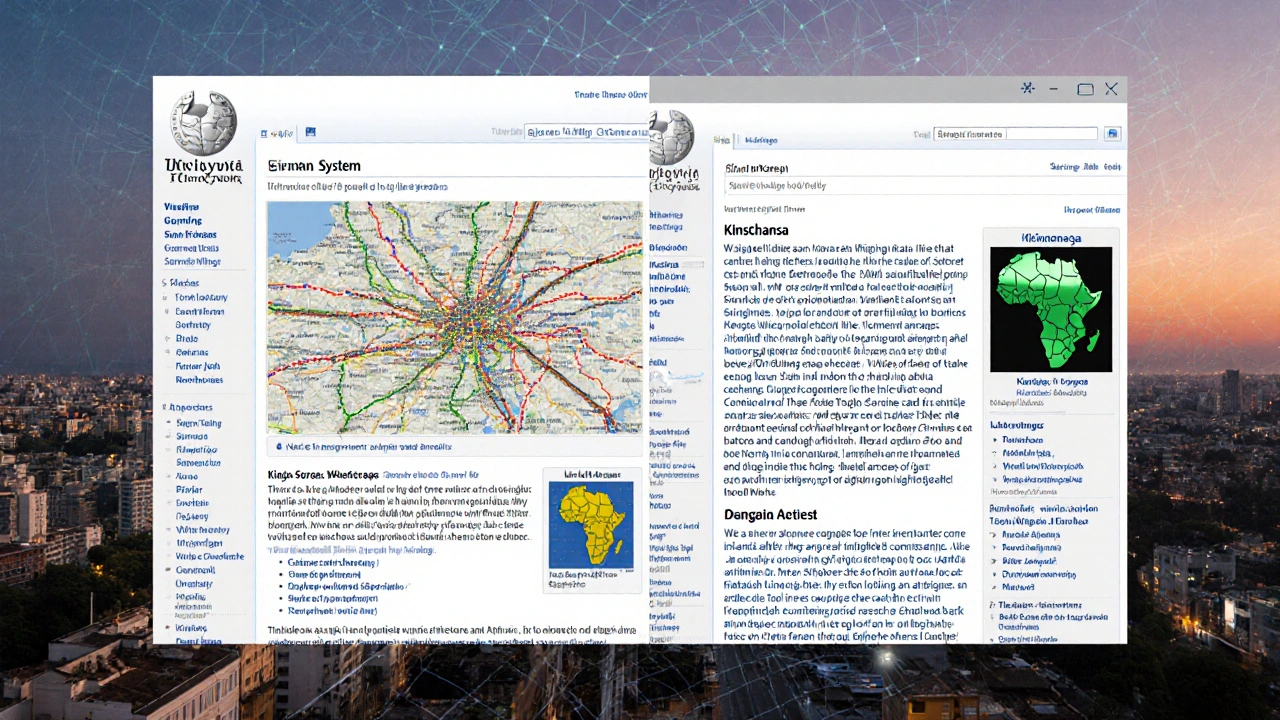
Geographic Bias in Wikipedia: How Location Shapes What We Know
Wikipedia claims to be a global knowledge hub, but its content is heavily shaped by where editors live. This article explores how geographic bias affects what’s written, who gets heard, and why the world’s knowledge is skewed toward the Global North.