Geopolitical Bias on Wikipedia: How Global Power Shapes What We Know
When you search for information on Wikipedia, you’re not just getting facts—you’re getting a version of history shaped by who gets to write it. Geopolitical bias, the uneven representation of regions, cultures, and perspectives based on global power structures. Also known as systemic bias, it shows up when European or North American events get detailed coverage while similar events in Africa, Asia, or Latin America are summarized in a sentence—or left out entirely. This isn’t accidental. It’s the result of who edits Wikipedia: mostly English-speaking, tech-savvy, and concentrated in wealthier nations. A protest in Lagos might get one paragraph. A similar protest in London gets a timeline, photos, and five expert quotes. The same thing happens with history, science, and even sports. The result? A knowledge base that looks global but feels Western.
This bias doesn’t just live in articles—it’s built into the tools and rules. Wikipedia neutrality, the policy meant to ensure balanced, fair content. Also known as neutral point of view, it sounds simple, but it’s hard to apply when your sources are all from English-language media, and most editors have never heard of local outlets in Jakarta or Kinshasa. That’s why some articles on African countries rely on colonial-era books as their main sources. That’s why Wikipedia’s "notability" rules often ignore local significance. And that’s why editors from the Global South say they feel like outsiders in their own encyclopedia. The fix isn’t just adding more editors—it’s changing how we define reliable sources, who gets to set policy, and what counts as important enough to document.
Thankfully, people are pushing back. Wikipedia editing, the act of contributing to Wikipedia’s content. Also known as wiki-contributing, is no longer just about fixing typos. It’s becoming a tool for equity. Student groups in Nigeria are training peers to write about local leaders. Librarians in Brazil are teaching communities to cite regional newspapers. And editors from India are rewriting articles on South Asian history using sources that actually come from South Asia. These aren’t small fixes—they’re rewrites of power. The posts below show how this fight plays out: in policy debates, in bot design, in how citations are chosen, and in the quiet work of editors who refuse to let their stories be erased. You’ll see how bias shows up in search results, how it’s hidden in templates, and how tools meant to help can accidentally make it worse. This isn’t about blame. It’s about awareness—and action.
Geopolitical Edit Wars on Wikipedia: High-Profile Cases
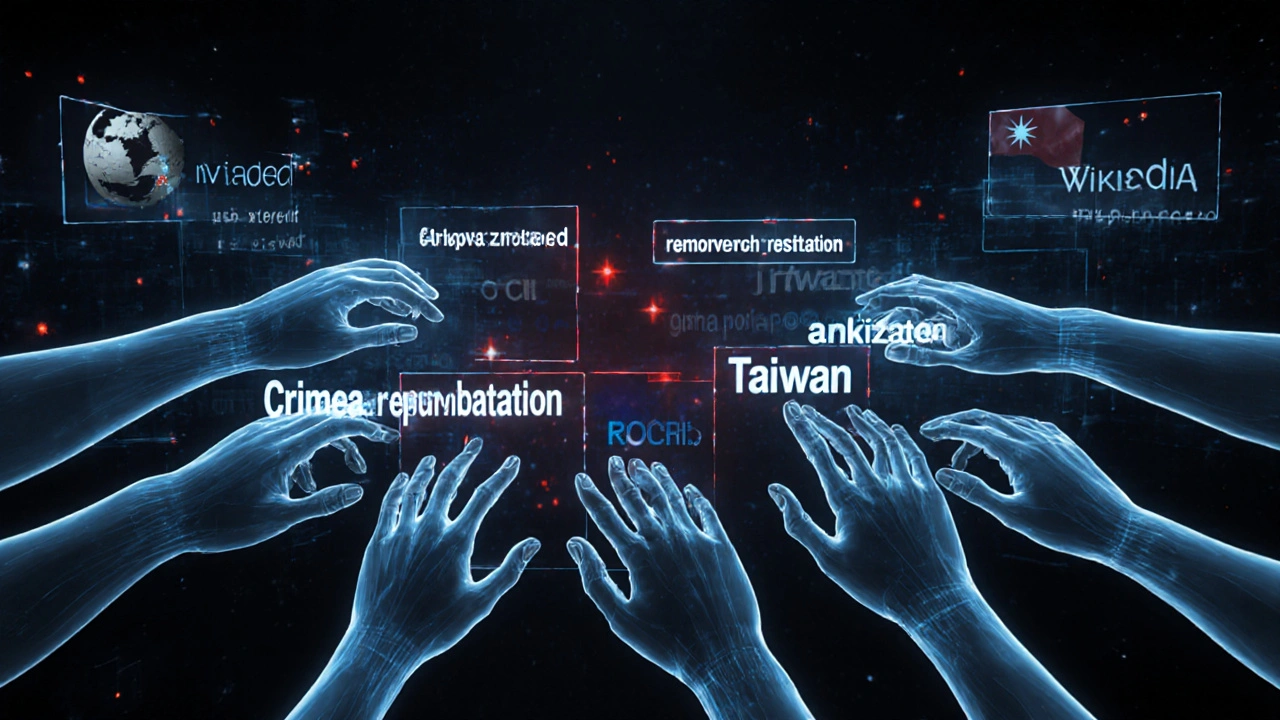
Wikipedia's open-editing model is being exploited in geopolitical edit wars, where nations and groups manipulate articles on Ukraine, Taiwan, Partition, and Iraq to control global narratives. These battles shape how history is remembered.