GLAM-Wiki: How Museums, Libraries, and Archives Partner with Wikipedia
When GLAM-Wiki, a global initiative linking Galleries, Libraries, Archives, and Museums with Wikipedia volunteers. Also known as GLAM partnerships, it enables cultural institutions to share their collections directly with the world’s largest free knowledge platform. This isn’t just about uploading photos—it’s about fixing what’s missing. For decades, Wikipedia’s content reflected who had access to publishing power. GLAM-Wiki changes that by bringing in overlooked histories, Indigenous knowledge, and local stories held behind closed doors in archives and storage rooms.
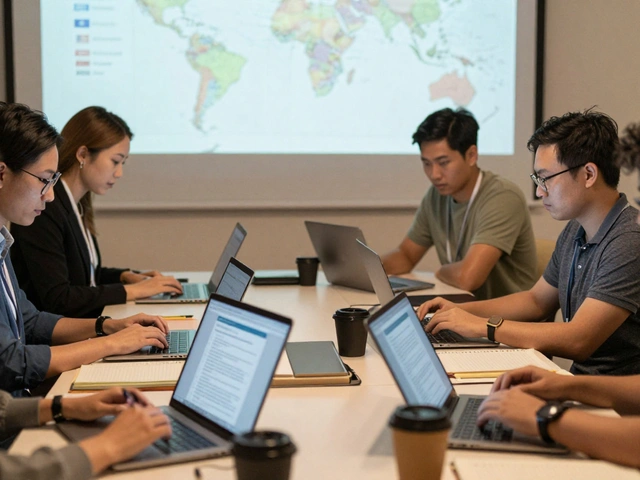
GLAM-Wiki works because it connects two worlds: the quiet, curated spaces of cultural heritage and the noisy, real-time editing of Wikipedia. Museums, institutions that preserve and display cultural artifacts now send staff to edit-a-thons, training volunteers to turn catalog records into well-sourced articles. Libraries, repositories of books, manuscripts, and digital archives give Wikipedia editors legal access to rare materials—no paywalls, no restrictions. And Galleries, spaces that house visual art and cultural objects upload high-res images under open licenses, letting anyone use them for education or research. These aren’t one-off projects. In the UK, the British Library has contributed over 100,000 images. In Canada, Indigenous communities have used GLAM-Wiki to reclaim narratives about their heritage. In Brazil, state archives have corrected colonial-era mislabeling of artifacts.
What makes GLAM-Wiki powerful is that it doesn’t ask Wikipedia to change. It asks cultural institutions to open up. The result? More accurate entries on forgotten artists, corrected dates on historical events, and better context for artifacts that used to live only in dusty catalogs. It’s not about making Wikipedia look better—it’s about making knowledge fairer. And it’s working. Editor retention in these partnerships is higher because contributors feel they’re doing real, meaningful work—not just fixing typos.
Below, you’ll find real examples of how these partnerships changed Wikipedia—from correcting a museum’s misattribution of a 19th-century painting to helping a small town library digitize its entire local history collection. These aren’t theory pieces. They’re stories of people, places, and pages that now exist because someone decided to connect a shelf with a screen.
Multilingual GLAM-Wiki Projects: Real Case Studies on Wikipedia
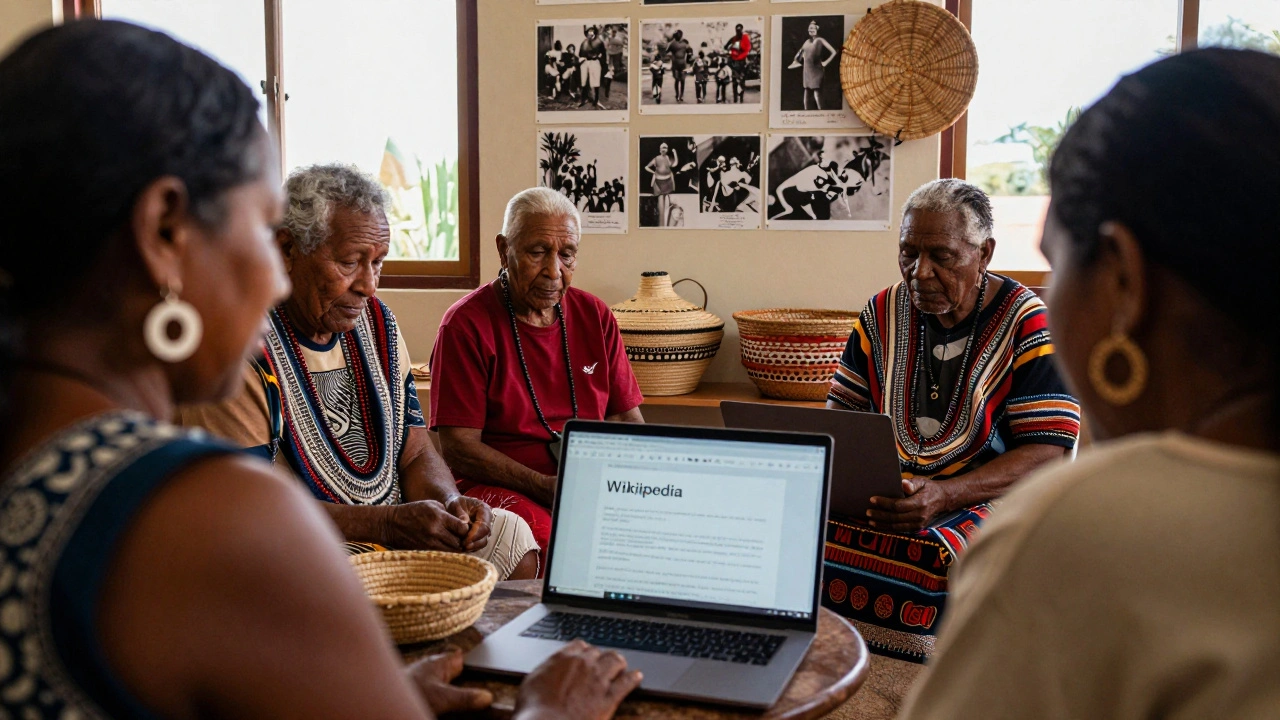
Multilingual GLAM-Wiki projects connect museums, libraries, and archives with Wikipedia editors to share cultural heritage in local languages. Real case studies show how Indigenous, minority, and post-colonial communities are reclaiming their stories on Wikipedia.