Inclusive Learning on Wikipedia: How Everyone Can Help Build Better Knowledge
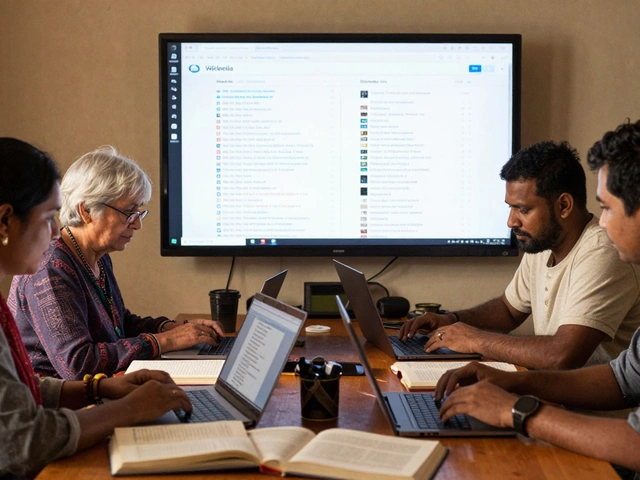
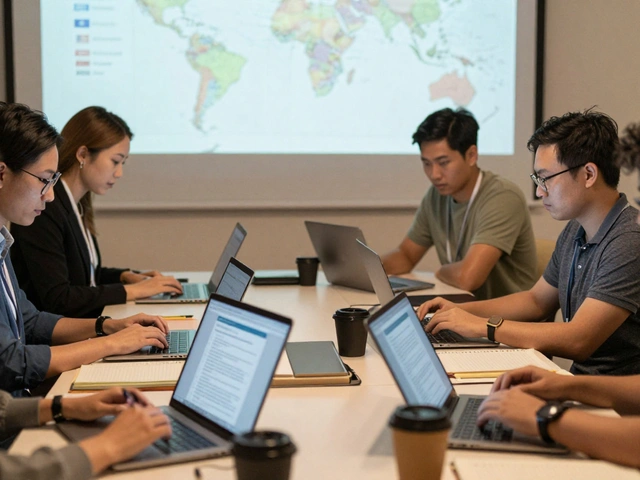
When we talk about inclusive learning, the practice of making knowledge-building accessible to people of all backgrounds, skills, and languages. It’s not just about being nice—it’s about fixing a broken system. For years, Wikipedia’s content reflected mostly white, male, English-speaking editors from North America and Europe. But edit-a-thons, local, hands-on training events that bring new editors into the fold, are changing that. So are content translation tools, features that help editors turn articles from one language into another with AI help and automatic citations. These aren’t side projects. They’re the backbone of making Wikipedia truly global.
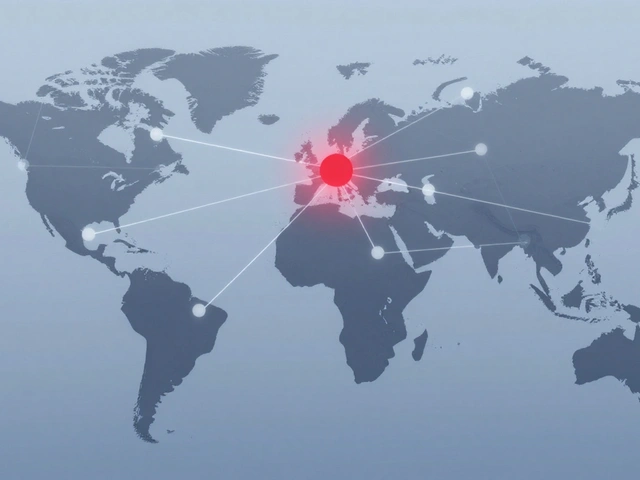
Inclusive learning means removing barriers. If you can’t read English well, you shouldn’t be locked out of editing. If you’re in a rural area with slow internet, you shouldn’t need a desktop computer to fix a typo. That’s why mobile editing tools now let you contribute from your phone. That’s why TemplateWizard guides new users through building citations without memorizing complex code. And that’s why regional outreach isn’t just a buzzword—it’s how Wikipedia gains its most vital editors. Librarians in Kenya, students in India, retirees in Brazil—they’re not outliers. They’re the future. When you see an article that’s missing details about your culture, your language, your history, that’s not a flaw in Wikipedia. That’s a chance to help. And you don’t need a degree to do it. You just need to care enough to click "Edit".
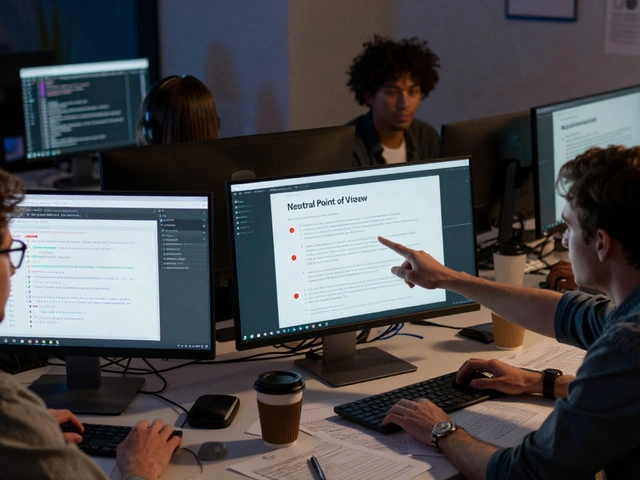
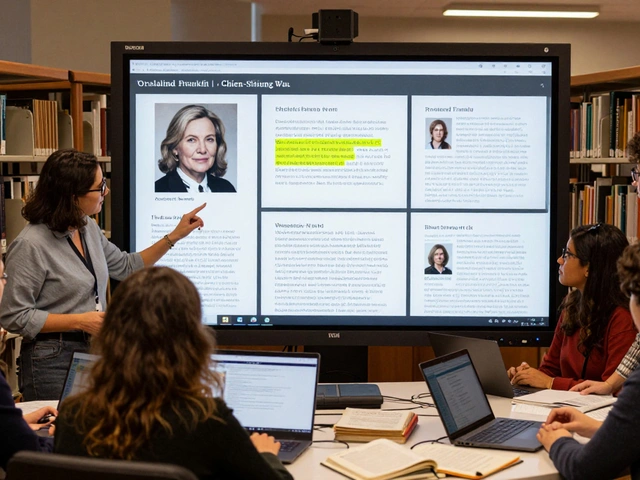
It’s not about replacing experts. It’s about expanding who gets to be one. The most accurate Wikipedia articles aren’t written by algorithms or corporate teams. They’re built by people who live the topics—teachers, nurses, farmers, activists. Inclusive learning turns passive readers into active contributors. And that’s how knowledge stops being a privilege and becomes a shared resource. Below, you’ll find real guides on how to start, what tools to use, and how small actions add up to big changes in what the world knows.
Accessibility Considerations for Educational Use of Wikipedia
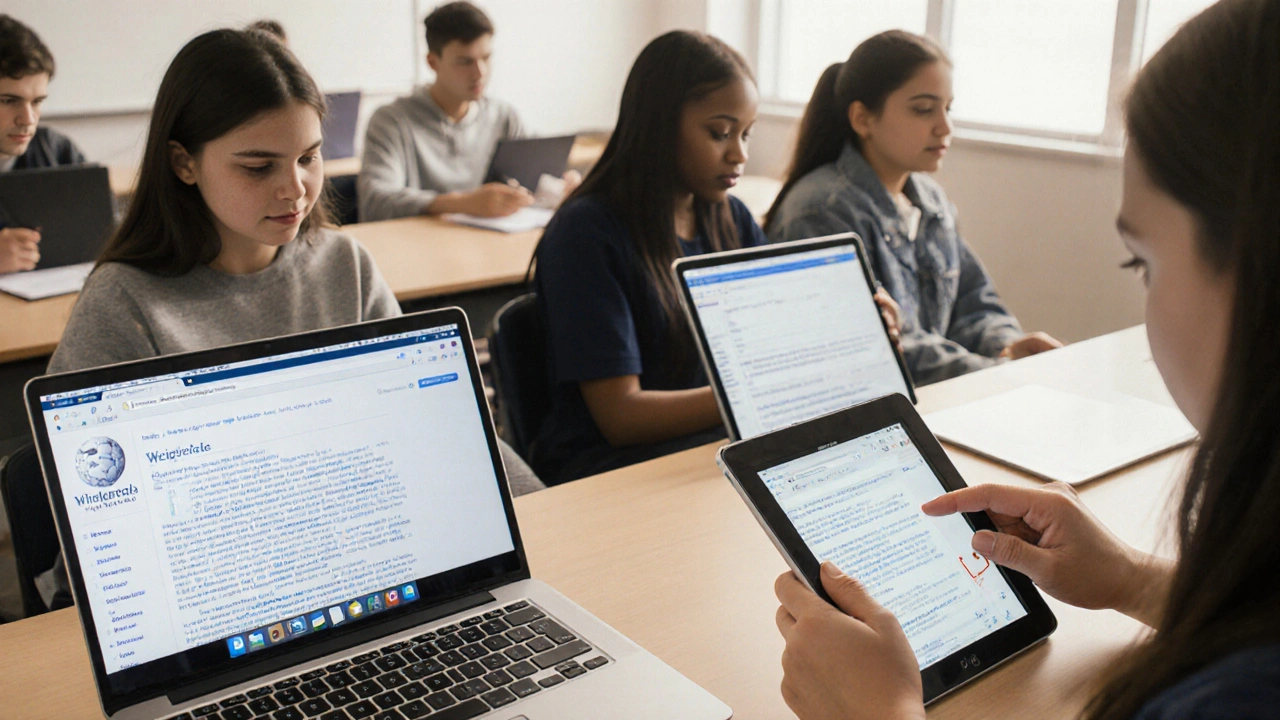
Wikipedia is widely used in education, but its accessibility issues can exclude students with disabilities. Learn how teachers and students can make Wikipedia work for everyone through simple fixes, tools, and teaching strategies.