Journalists Editing Wikipedia: How News Professionals Use and Shape the Encyclopedia
When journalists editing Wikipedia, reporters and newsroom staff who contribute to or rely on Wikipedia for research and verification. Also known as media contributors to Wikipedia, they play a quiet but powerful role in keeping public knowledge accurate. Many don’t realize that journalists aren’t just readers — they’re active editors. They fix outdated facts, add citations from exclusive interviews, and correct misinformation that spreads after a headline breaks. Unlike casual users, they follow strict sourcing rules, and they know how to navigate Wikipedia’s complex policies — not because they’re experts, but because their job depends on it.
They use tools like the Wikipedia Library, a free resource giving journalists access to paywalled academic journals, historical newspapers, and government archives to find reliable sources without paying for subscriptions. That’s how they get credible material to update Wikipedia articles during breaking news — like election results, scientific studies, or major disasters. At the same time, they’re careful not to treat Wikipedia as a primary source. Instead, they trace every Wikipedia fact back to its original report, then cite it properly in their own stories. This two-way flow matters: journalists improve Wikipedia with verified info, and Wikipedia helps journalists avoid repeating old errors.
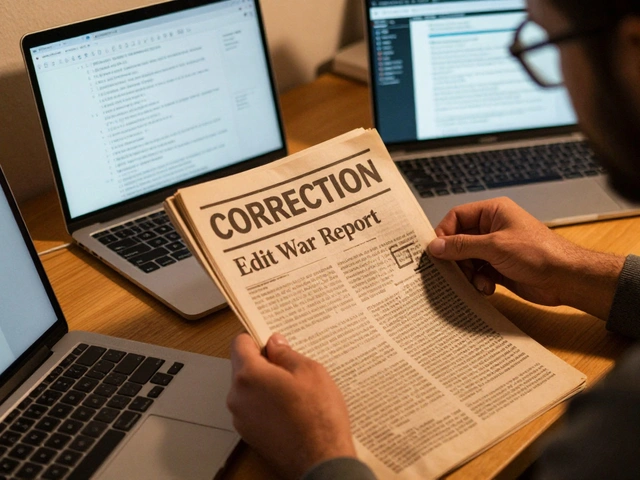
When a major news outlet issues a correction, it often triggers a chain reaction on Wikipedia. A single retraction in The New York Times or BBC can lead to dozens of edits across related articles. That’s why news corrections, official updates to published stories that fix inaccuracies are so important. They don’t just clean up the record — they keep Wikipedia aligned with reality. And when journalists spot a hoax or a manipulated article, they don’t just ignore it. They revert edits, flag vandalism, and sometimes even help train new editors on how to spot bad sources.
It’s not always easy. Some editors push back when journalists make changes, especially if they’re unfamiliar with journalistic standards. But the best collaborations happen when reporters and volunteers work together — journalists bring context and access to primary sources, and Wikipedia editors bring structure, neutrality, and deep knowledge of policy. This isn’t about replacing traditional reporting. It’s about making sure what millions of people read online is trustworthy.
What you’ll find below are real stories from journalists who edit Wikipedia — how they do it, what tools they rely on, and why it changes the way news gets told. From fixing false claims after a celebrity death to using Wikidata to link global events, these aren’t just technical guides. They’re proof that accurate knowledge isn’t just built by academics — it’s built by people who report the news every day.
Journalist Roundtables: How to Improve Wikipedia’s External Coverage
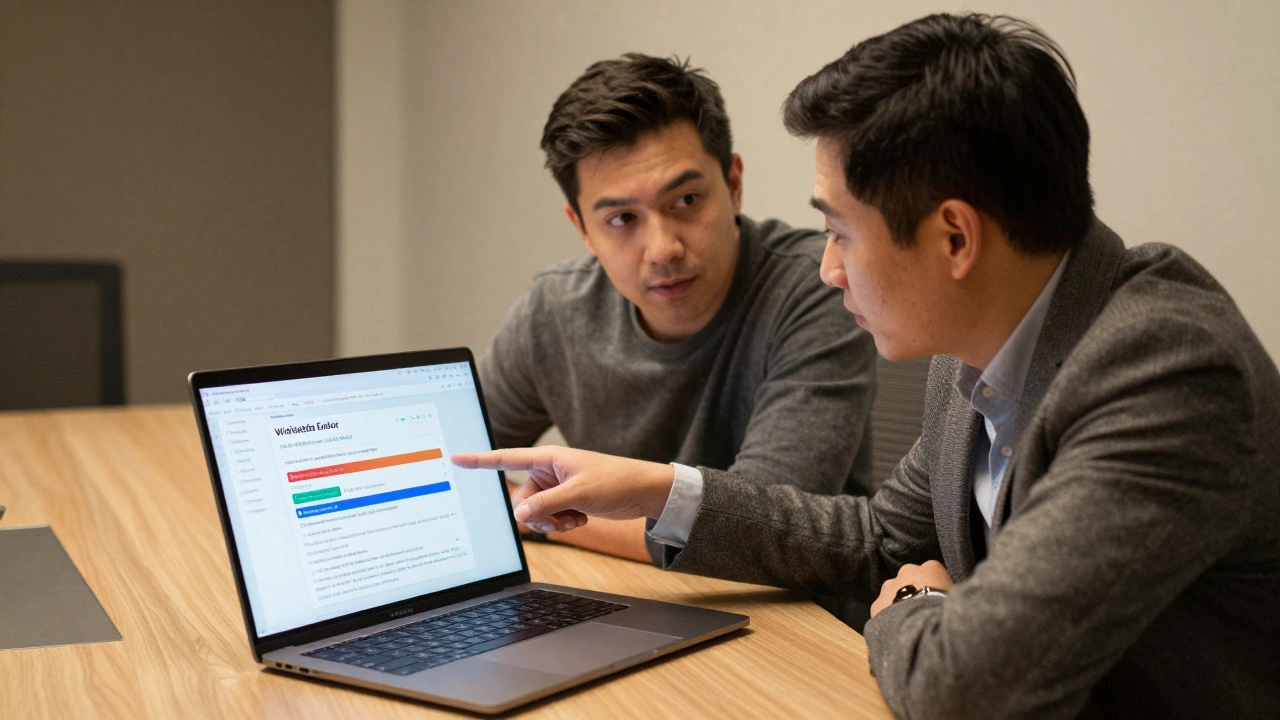
Journalist roundtables with Wikipedia editors improve accuracy and depth in news coverage by bridging the gap between public knowledge and journalistic practice. Learn how to use Wikipedia responsibly and reduce errors.