Knowledge Exclusion: Why Some Voices Are Missing from Wikipedia
When you think of Wikipedia, you probably imagine a vast, neutral library of human knowledge. But knowledge exclusion, the systemic absence of perspectives, topics, and communities from Wikipedia’s content. Also known as content bias, it’s what happens when the people who write the encyclopedia don’t reflect the world it claims to describe. This isn’t about errors—it’s about silence. Millions of articles exist, but whole cultures, languages, and movements are barely present. Why? Because editing Wikipedia requires access, time, technical skills, and social confidence—all things not equally distributed.
One major cause is Wikipedia sources, the reliance on published, peer-reviewed, or mainstream media references that often ignore Indigenous, local, or non-Western voices. If a community doesn’t have books or news coverage in English, its history rarely makes it onto Wikipedia. Then there’s Wikimedia equity, the movement to correct imbalances in who contributes and what gets covered. Projects like GLAM-Wiki and multilingual edit-a-thons are trying to fix this, but progress is slow. Meanwhile, underrepresented topics, like women’s history in Africa, Indigenous land rights, or queer science pioneers. keep getting sidelined because editors don’t know they exist—or worse, they’re told those topics aren’t "notable" enough.
The result? Wikipedia looks like a product of a narrow slice of humanity: mostly male, mostly Western, mostly English-speaking. That doesn’t mean it’s wrong—it means it’s incomplete. And that incompleteness affects real people. Students in Nigeria can’t find their local heroes. Researchers in India can’t cite their own scholarship. Activists fighting for justice can’t point to a Wikipedia page that validates their struggle.
But here’s the good part: every article you add, every source you cite from a local archive, every edit that lifts up a marginalized voice—it changes the map. The tools to fix this are already here. The Wikipedia Library gives access to paywalled research. WikiProjects help organize missing content. Mentorship programs bring in new editors from underrepresented groups. And edit filters? They’re not just for stopping vandals—they’re being used to protect articles about sensitive topics from being erased by bias.
What you’ll find below isn’t just a list of articles. It’s a roadmap. From how news corrections ripple through Wikipedia to how academics can edit ethically, from Wikidata’s role in linking languages to how tourism seasons shape what we know—each piece shows how knowledge exclusion isn’t accidental. It’s built into the system. And it can be undone, one edit at a time.
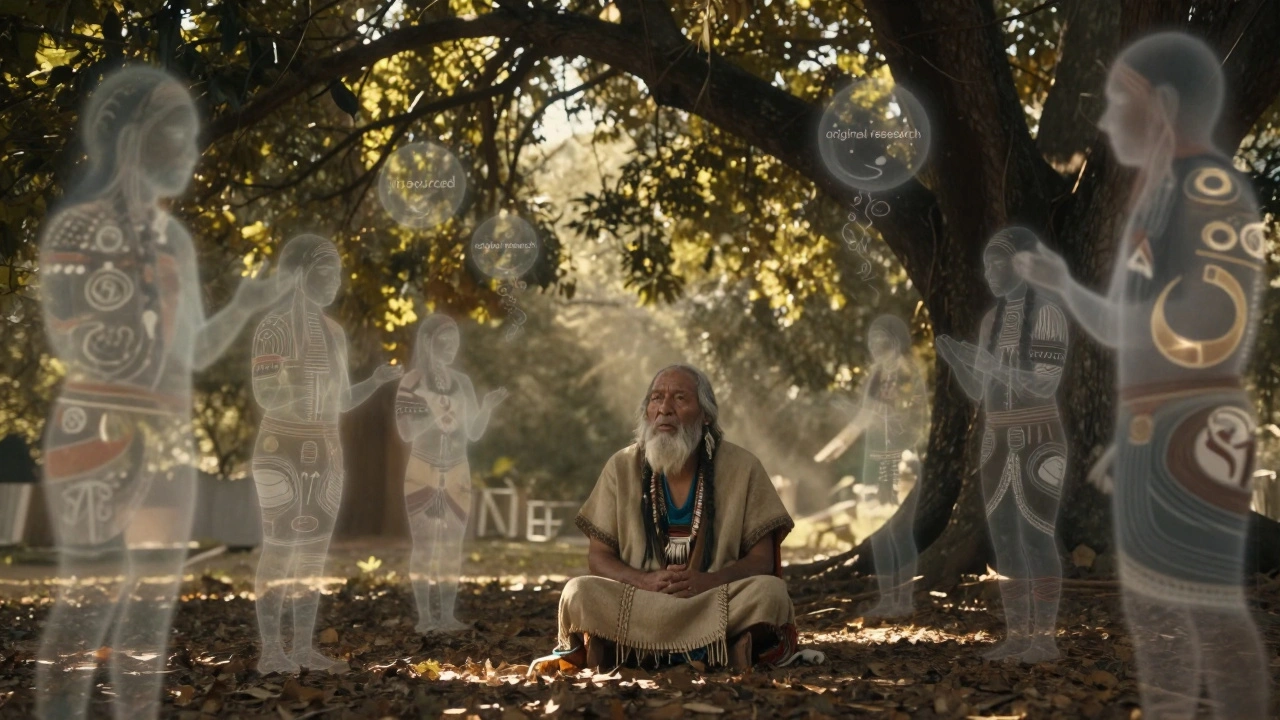
How Wikipedia Policies Exclude Oral Traditions and Local Knowledge
Wikipedia's reliance on written sources excludes oral traditions and local knowledge, silencing cultures that don't fit its rigid verification standards. This isn't neutrality-it's systemic bias.