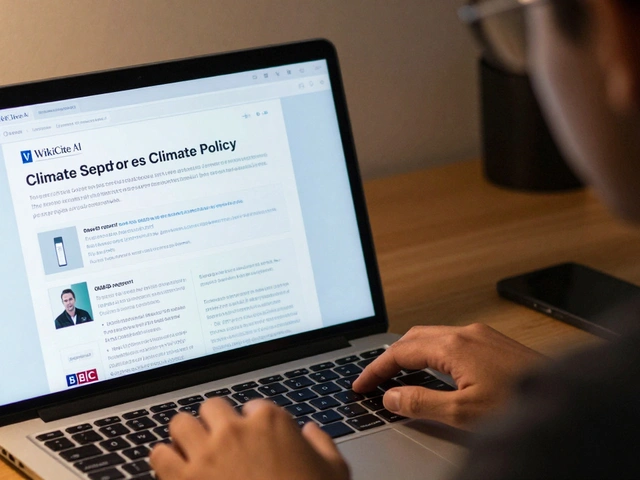
Libraries and Wikipedia: How Public Knowledge Spaces Work Together
When you think of a library, a public space that provides free access to books, journals, and research materials. Also known as public lending library, it has long been the backbone of democratic knowledge. Today, that role isn’t just about shelves and card catalogs—it’s also about digital access, partnerships, and shared infrastructure. Wikipedia, a free, volunteer-edited encyclopedia used by billions. Also known as the free encyclopedia, it’s not just a website—it’s a global knowledge system that depends on reliable sources. And here’s the key: libraries and Wikipedia aren’t competitors. They’re partners. Libraries give Wikipedia the sources it needs to be trustworthy. Wikipedia gives libraries a way to reach people who never walk through their doors.
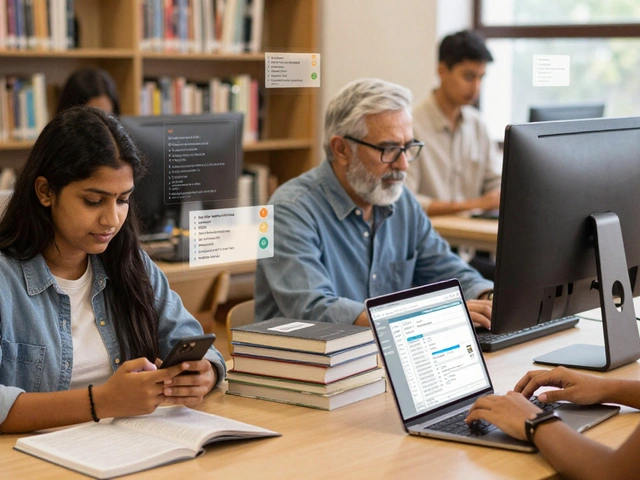
Take the Wikipedia Library, a program that gives editors free access to paywalled academic journals, newspapers, and archives. Also known as Wikipedia Library access program, it’s run by volunteers but powered by partnerships with publishers and institutions. Librarians help set up accounts, train editors, and even host edit-a-thons in their branches. These aren’t just tech events—they’re community gatherings where people learn to cite sources, check facts, and turn research into public knowledge. Meanwhile, libraries benefit too. Students who learn to use Wikipedia properly in class come back to the library to find the original sources. Librarians become guides, not gatekeepers. And in places where internet access is limited, libraries often serve as the only bridge to Wikipedia’s content.
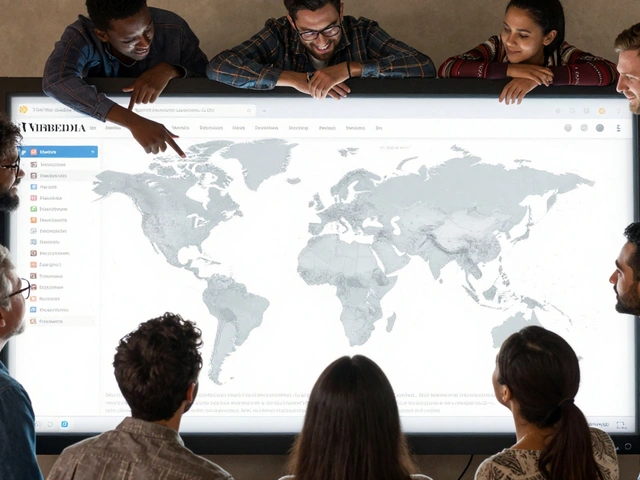
It’s not just about journals and articles. Libraries help fix gaps in Wikipedia’s coverage. In rural towns, small museums, and community centers, local historians and archivists are working with Wikipedia editors to add details about regional history, culture, and people that mainstream sources ignore. These efforts are changing what counts as "important" knowledge. And when Wikipedia articles about local landmarks or forgotten figures get cited in news stories or school projects, it’s often because a librarian helped verify the sources. This isn’t theoretical. It’s happening right now—in public libraries from Chicago to Cape Town.
If you’ve ever used Wikipedia for a school project, or checked out a book from your local library, you’ve already been part of this system. The real story isn’t about which one is better—it’s about how they work together to make knowledge open, accurate, and accessible to everyone, no matter their background or budget. Below, you’ll find real examples of how this partnership plays out: how journalists use library access to fact-check, how educators turn Wikipedia into a classroom tool, and how volunteers are fixing decades of bias one edit at a time.
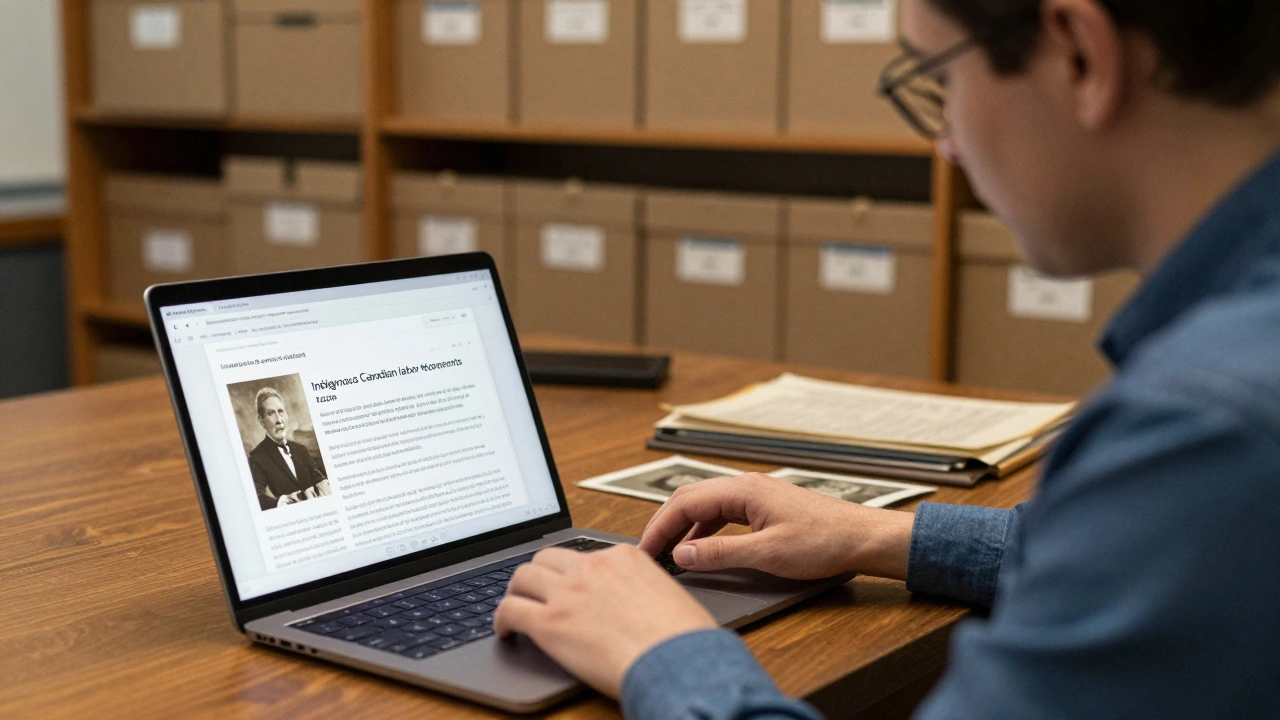
GLAM-Wiki Partnerships: Recent Collaborations with Wikipedia
GLAM-Wiki partnerships connect museums, libraries, and archives with Wikipedia to improve public knowledge. Recent collaborations have expanded access to cultural heritage, corrected historical biases, and empowered underrepresented communities.