Library Professionals and Wikipedia: How Librarians Shape Online Knowledge
When you think of Wikipedia, you might picture students editing late at night or journalists fact-checking before a deadline. But behind the scenes, library professionals, librarians, archivists, and information specialists who apply formal training in sourcing, verification, and knowledge organization. Also known as information professionals, they’re some of Wikipedia’s most consistent and careful contributors. These aren’t just casual editors—they’re trained to evaluate sources, spot bias, and understand how information flows across systems. And that makes them uniquely qualified to improve Wikipedia’s reliability.
Wikipedia’s reliance on verifiable sources means it needs people who know how to find, assess, and cite them. That’s where academic research, the systematic process of gathering, analyzing, and documenting evidence from peer-reviewed journals, books, and credible archives comes in. Library professionals bring this skill set directly to Wikipedia. They don’t just edit—they fix gaps in citations, replace unreliable blogs with journal articles, and help turn stubs into well-sourced entries. Their work directly supports Wikipedia sourcing, the platform’s strict requirement that all claims be backed by published, reliable sources, which is also the main defense against AI-generated misinformation. You won’t find them in the headlines, but when an article on public health, historical events, or scientific theories holds up under scrutiny, it’s often because a librarian checked the references.
It’s not just about editing. Library professionals also help shape policy. They’re active in Wikimedia Foundation, the nonprofit that supports Wikipedia and its sister projects, funding tools, research, and community initiatives discussions on neutrality, access, and inclusion. They push for better use of local news sources in regions where media is under threat. They train students through programs like the Wikimedia Student Editors Program, turning classroom assignments into real contributions. And they monitor talk pages and signposts to catch bias before it spreads. Their work bridges the gap between academic standards and public knowledge.
What you’ll find below isn’t just a list of articles—it’s a window into how library professionals quietly keep Wikipedia honest. From how they use citation tools to how they fight geopolitical manipulation, these posts show the real-world impact of their work. Whether you’re a librarian thinking about contributing, a researcher using Wikipedia, or just someone who cares about trustworthy information, this collection has something for you.
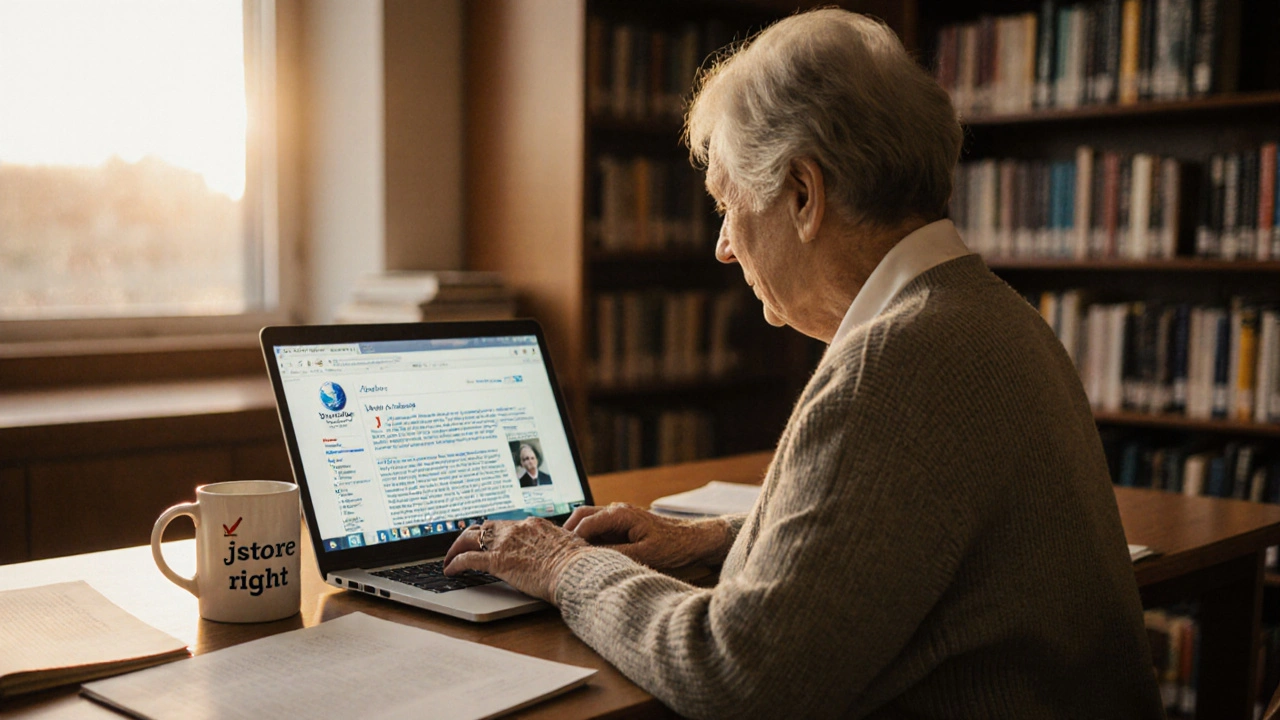
How Librarians and Educators Shape Wikipedia's Community and Content
Librarians and educators are the hidden backbone of Wikipedia, ensuring accuracy, neutrality, and reliability. Their training in research and teaching makes them vital contributors to the world's largest encyclopedia.