Local Knowledge on Wikipedia: How Community Wisdom Shapes Global Information
When you think of Wikipedia, you might picture a massive, impersonal database run by algorithms—but that’s not how it works. Local knowledge, the firsthand, culturally grounded information held by people in specific regions, languages, or communities. Also known as ground-level expertise, it’s what keeps Wikipedia accurate where it counts: in small towns, Indigenous territories, and underrepresented languages. Without local knowledge, Wikipedia would miss the details that make facts real—like how a festival is actually celebrated, what a local term means, or which historical site is still standing. It’s not about big institutions or academic papers. It’s about the person who grew up near the river, remembers the old name of the bridge, and knows why the story everyone tells is wrong.
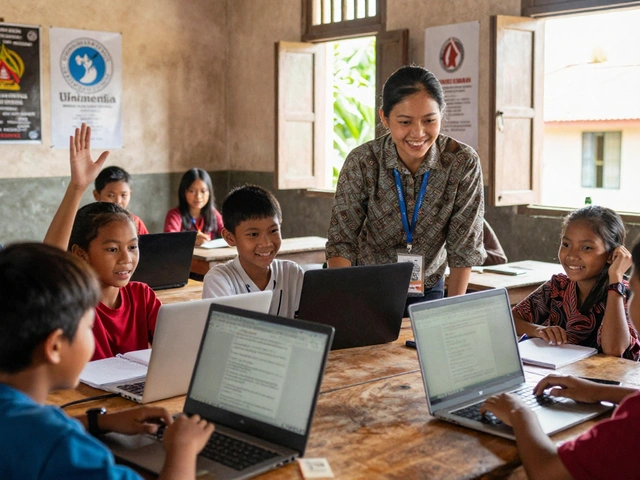
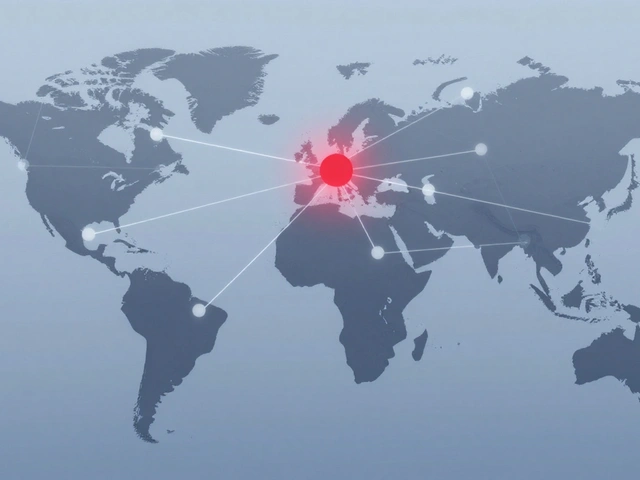
This isn’t just theory. Look at GLAM-Wiki, projects that connect museums, libraries, and archives with Wikipedia editors to share cultural heritage in local languages. In places like Peru, Ghana, or rural India, volunteers from local communities are uploading photos, correcting names, and writing articles in their native tongues—content that never would’ve made it through a centralized, English-first system. And it’s not just about adding content. Multilingual Wikipedia, the network of over 300 language editions that share facts through Wikidata. A fact entered in Tagalog or Swahili can instantly improve the English version, because Wikidata links them all. Local knowledge doesn’t stay local—it travels.
Wikipedia doesn’t force top-down control. It trusts people who live the reality. That’s why a farmer in Kenya can fix a detail about crop rotation on a Wikipedia page, and why a retired librarian in Poland can update the history of a local church. These edits aren’t random—they’re guided by community norms, talk page discussions, and tools like WikiProjects that help organize this effort. Even when news outlets get it wrong, Wikipedia often corrects itself because someone on the ground noticed the error. And when academics or journalists want to contribute, they’re asked to step back and let local voices lead. That’s the real power of Wikipedia: it’s not about who has the most credentials. It’s about who has the most accurate, lived experience.
What you’ll find in the articles below isn’t just a list of policies or tools. It’s a map of how local knowledge moves through the system—from edit filters that protect breaking news articles, to mentorship programs that help newcomers from marginalized communities stay involved, to the quiet work of volunteers updating destination pages based on seasonal tourism patterns. You’ll see how Wikidata connects languages, how GLAM projects reclaim cultural stories, and how even something as simple as a news correction in a newspaper can ripple across thousands of Wikipedia edits. This isn’t abstract. It’s real people, in real places, making sure the world’s knowledge doesn’t just reflect the loudest voices—but the truest ones.
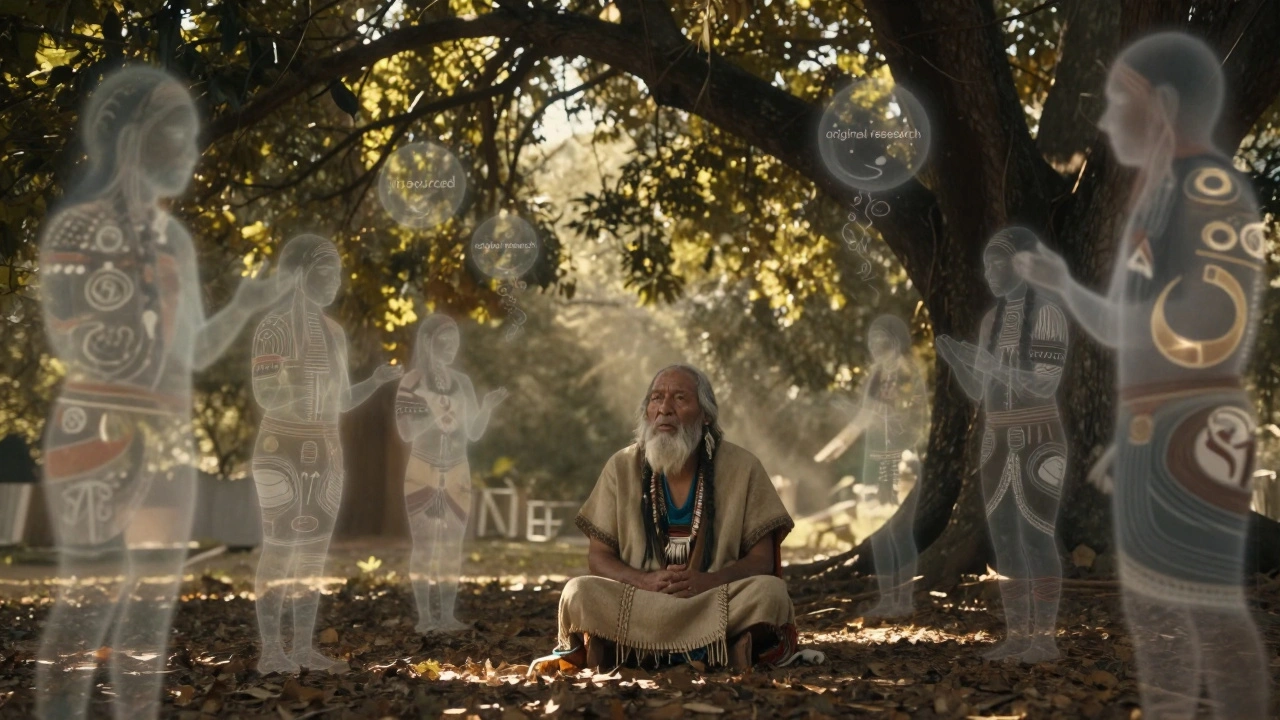
How Wikipedia Policies Exclude Oral Traditions and Local Knowledge
Wikipedia's reliance on written sources excludes oral traditions and local knowledge, silencing cultures that don't fit its rigid verification standards. This isn't neutrality-it's systemic bias.